The Baltic Sea isn’t just pretty. It’s practical.
It sits between Sweden and Poland. That’s a massive area. Over 400,000 square kilometers of water. But for families in Germany, it feels close. You can reach the coast in just a few hours. This makes it perfect for a quick weekend escape. Or a long, lazy month-long trip.
Why do parents love it here?
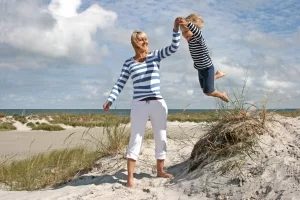
The sand is fine. The nature is picturesque. But the real draw is variety. You aren’t stuck staring at waves all day. There are activities. Lots of them.
Why the German Baltic Coast Wins for Families
The climate is mild. The water has low salt content. It’s gentle on skin. And the landscapes? Idyllic.
Tourist options have exploded in the last ten years. It’s not just swimming anymore.
- Ship cruises along the coast.
- Wellness centers for tired parents.
- Saltwater baths for little ones.
- Cycling routes through forests and dunes.
- Cultural events in coastal towns.
These options keep everyone entertained. Kids burn energy. Parents relax.
Where to Stay and What to See
Which accommodations top the list?
Families look for space. And proximity to the beach. But also quiet.
The German coast offers resorts. Small guesthouses. Cottages with gardens.
Some places offer direct access to the sand. Others are a short walk away.
Timing matters. Summer brings crowds. Shoulder seasons offer calm.
Costs vary by location. Popular spots like Rügen or Usedom command higher prices. Smaller villages nearby provide better value.
Logistics are key. Bring bikes. Pack sunscreen. Check tide schedules.
What’s genuinely worth seeing?
The chalk cliffs on Rügen. They’re dramatic. The lighthouses. The dunes.
Don’t miss the quiet moments.
Watch the sunrise.
Listen to the wind.
Pack a picnic.
The sea doesn’t rush.
Neither should you.
The Baltic Sea is the perfect escape for Northerners. You can get there by bus, train, or car in just a few hours. It is ideal for a short weekend trip to the coast. Large events like the Kiel Week also draw crowds. But the real draw for many? The beaches. The sand here is among the finest in Europe. The sea is relatively calm. Distance is short. These factors make the East Sea particularly popular with families. Parents with young children often choose the German north over exotic, distant destinations. If you are looking for a quick reset without a long haul, these spots deliver.
Prerow: Wild Romantic Charm
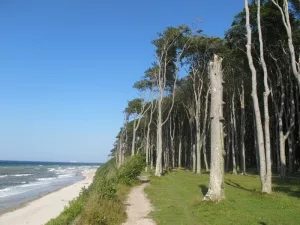
Start with Ostseebad Prerow in Mecklemburg-Vorpommern. The Darßer Weststrand is wild and romantic. It feels untouched. You cannot drive there. Access is only on foot, by bike, or on horseback. The effort pays off. You get a fine sand beach. The water is glass-clear. The nature around you is shaped by wind and weather into bizarre forms. It is stark. It is beautiful. It is worth the hike.
Hiddensee: Car-Free Island Life
Next, head to Hiddensee. The island offers numerous cozy holiday apartments. Inviting guesthouses dot the landscape. There are no cars here. The island stands out for its steep cliffs. Wild forests cover much of the terrain. The beaches are dreamlike. The diverse wildlife appeals especially to younger travelers. Kids love spotting the animals. Adults love the quiet. It is a slice of old-world peace.
Heiligendamm: Royal Rest and Recovery
For pure relaxation, try Heiligendamm. This place offers two things: rest and recovery. The fresh sea air. The idyllic nature. These drew European high nobility to the area in the 18th century. Active families can spend sunny days on the beach. If the weather turns bad, there is still plenty to do. Wander through the dark beech forests of the region. Explore the primordial ghost forest. It is atmospheric. It is grounding.
Logistics and Timing
Getting there is easy. Most major cities in Northern Europe are within a few hours’ drive. Pack light. You will likely walk or cycle more than you drive. Bring layers. The wind off the water can be sharp even in summer.
Prices vary. Prerow and Hiddensee can fill up fast during peak season. Book accommodation early. Heiligendamm often has a slightly more upscale vibe. Expect to pay a premium for the historic charm.
Who is this for? Families with small kids. Couples seeking silence. Anyone tired of the heat and crowds of the Mediterranean. The Baltic Sea is not about neon lights. It is about sand, trees, and silence.
The tide will turn. The wind will shift. You will leave with sand in your shoes and calm in your head. That is usually enough.
Choosing the right East Sea accommodation for families
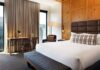
Hotels are fine if you like service. But for a family trip to the Baltic coast? You usually want space. Privacy. A place where kids can scream without judgment.
Most families skip the hotel these days. They go for a holiday apartment or house. The logic is simple. You have your own retreat. Close to the beach. The dog is welcome. No one complains about the noise. Camping is another option. But let’s be honest. Camping ties you to the weather. Comfort drops significantly when you are sleeping on thin air and damp ground.
A house offers luxury. You can pick your specs. Want a private sauna? A whirlpool? Done. If you have two families traveling together, rent a big house. Small family? A standard apartment works just fine.
Usedom: Sun, sand, and amber
Usedom is the sunniest island in the whole Baltic Sea. The sandy beach stretches for 40 kilometers. Half German. Half Polish. The nature here is raw. Unspoiled.
Book early. Because of the endless sun, Northerners flock here. It is highly sought after.
If you need quiet, look for one of the four “Amber Baths” on the island. Kids love collecting amber after storms. The sea washes up this gold often. It’s magic for them.
Zinnowitz is one of the most visited seaside resorts. It is over 700 years old. It is also the cultural capital of Usedom. Why? The yellow theater known as the “Blechbüchse.” It hosts plays from the Anklam theater. In summer, the Vineta Festival draws crowds.
Active families should head to the Gnitz peninsula. Lots of hiking and biking trails. The southern tip is a nature reserve. Climb the White Mountain. It stands 32 meters high. The view over the Krumminer Wiek bay is worth the climb.
Need a base for exploring Gnitz? Stay locally. There are campsites. Or try Lütow. A small holiday spot on the east coast.
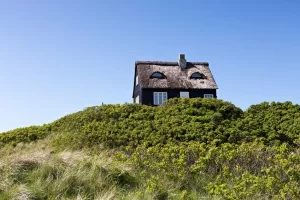
Rügen isn’t just a backdrop. It’s a playground for families who want more than just sun and sand. You have the beach towns. You have the sleepy fishing villages. You have crumbling castles and endless stretches of white sand. But there is a specific rhythm to an island holiday here. You have to move with it.
If you are planning a trip to this German Baltic gem, skip the rush. The famous chalk cliffs of Königsstuhl aren’t something you glance at from a car window. They demand attention. These weren’t just scenery for Caspar David Friedrich. They were his muse. Standing at the edge, you understand why. The vertical drop into the sea is stark. Real.
Why Rügen is a Top Family Destination
For parents trying to balance relaxation with engagement, the island offers a strange kind of magic. It’s not overdeveloped like some mainland resorts. It feels wilder in places. Consider Wittow. It’s the northernmost tip of the island. Think of it as a nature sanctuary where the land meets the restless sea.
In autumn, the sky fills with cranes. Thousands of them. They land here to rest during migration. Watching that spectacle is free. It’s one of those moments that sticks with you long after the diaper bag is packed away.
Then there is the architecture. Binz is a standout. It’s not just a town. It’s a showcase of Bäderarchitektur from the turn of the 20th century. The buildings are ornate. Pastel-colored. They reflect a time when wellness tourism was born. Walking through the streets feels like stepping into a postcard from 1910.
Visiting Jagdschloss Granitz
You cannot talk about Rügen’s landmarks without mentioning Jagdschloss Granitz. This hunting lodge is a favorite for families because it offers both history and a bit of adrenaline. The structure itself is impressive, but the real draw is the central tower.
According to reports from NDR, you can climb the tower. It’s not for the faint of heart. The stairs are tight. The view, however, is worth the climb. You get a panoramic sweep of the island. Forests. Coastlines. The contrast between the green interior and the blue sea is striking.
Logistics: Where to Stay and How Long to Stay
Deciding where to crash is the first logistical hurdle. You have two main paths.
- Rent a vacation home or apartment. This is the standard route. It gives you space. A kitchen. A base that doesn’t feel temporary. You can settle in and treat the island as a hub.
- Take a day trip. If you are already on the mainland, you can pop over for a few hours. See the cliffs. Walk the beach. Head home.
But here is the thing about day trips. They leave you wanting more. The island has layers. If you only see the coastline, you are missing the heart of Rügen. The forests. The inland lakes. The quiet villages that don’t make the brochure covers.
Timing Your Visit
When you go matters. Summer is peak season. The beaches are crowded. The prices are higher. But the water is warm. If you prefer fewer people,