



Hereford is not just a dot on the map. This city has maintained its unique status since the Middle Ages and attracts travelers looking for weight and history. It is located in the West Midlands, on the edge of Wales, where the landscape begins into hills and the air is filled with the scent of stories. Of course you come here for the architecture. But the most important thing is to stay and enjoy the atmosphere. Wine museum. Churches. Among the travel destinations in England, it ranks not because of luxury, but because you can feel the authenticity there. If you’re planning a trip here, you need to know where to step. Here’s a list of places you can’t miss.
Hereford Cathedral and Mappa Mundi
Start at the cathedral. Of course it’s an anchor. This is more than just a building. This is a stone fortress that has stood for almost a thousand years. The building is perpendicular Gothic, which sounds boring until you stand in the nave and look up at the vaulted ceilings to realize its scale. It’s kind of overwhelming.
But what is the real attraction? Mappa Mundi.
This is the largest medieval map you will ever see. This map is painted on calfskin and made around 1300. It does not resemble modern maps with straight lines and compasses. This is the Theological diagram. Jerusalem is the center. Around it opens a world full of biblical scenes, mythical beasts and descriptions of distant lands. It’s chaotic. It’s beautiful. It’s weird.
Why is this important? Because it shows how people in the 14th century saw the world. It’s not just about geography. It’s about faith. This map is displayed in a climate-controlled cabinet in the south transept. You probably stand there for 20 minutes just staring at the little details. Leviathan is here. There is a king. It changes your perspective.
“Mappa Mundi is more than just a map. It is a window into medieval thought.”
Logistically, the cathedral is open every day. Outdoor and courtyard areas are often free, but a small donation is recommended for entry. The gift shop has a wide selection of history books. Don’t buy postcards. buy the book When I come home and look at it, I miss the smell of old stones and beeswax.
The cloisters are also worth a walk. they are very quiet. As the sun moves across the sky, the light changes. It’s the perfect place to recharge after a busy day. Herefords have a way of slowing you down. No need to rush to get here. you go Do you understand. Please listen.
There is much more to see in this city, but first you need to ground yourself. The cathedral does just that. It sets the tone. Without it, all that remains is the building. Now the rest is history.
The streets surrounding the cathedral are walkable. You can walk around dodging cars. This is a rarity in British cities today. You can see the blacksmith shop. Antique dealer. Cafe with outdoor seating. It’s all part of the fabric. You are not just a tourist. you
Hereford Museum & Art Gallery
Although the cathedral dominates the skyline, the real soul of Hereford’s history is hidden away off the High Street. The Hereford Museum and Art Gallery is not a huge institution, but it punches well above its weight for a city of its size. You go in expecting standard local history. You will leave with a deeper understanding of why this corner of England is so important.
The building itself is a former public library and feels grander than the collection suggests. High ceilings. Light streams in from the large windows. The perfect place to escape the Herefordshire drizzle.
What draws you in isn’t just the architecture, but the narrative. This museum chronicles the city’s development from its Saxon settlement to its medieval heyday. You can see the artifacts that survived the Civil War as Hereford change hands many times. For a place known more for cider than cannon fire, the military history section is surprisingly detailed.
However, an art gallery is a place where you can change your mood. A collection of 19th and 20th century watercolors and oil paintings creates an intimate atmosphere. It’s not world famous, but it’s genuinely good. Local artists capture the Wye Valley, cathedral spires and quiet country life. It gives you a sense of the light here. The characteristic green shade of the field. The way the stones sparkle at dusk.
Don’t rush through Roman and Viking finds. They are small and often unlabelled in big bold fonts, but they ground you in deep time. Here was a strategic location for centuries. The Romans built a fort. The Vikings raided it. The Normans fortified it. Today it is a place where you can drink tea and look at paintings.
There is also a section dedicated to natural history. Fossils collected from the surrounding countryside. Specimens of local wildlife. It’s easy to forget that when you leave the city center, the landscape is wilder than on postcards. The museum reminds you of that.
Why visit?
– To understand the layers of history that the cathedral alone can’t explain.
– To see local art that captures the unique atmosphere of the Welsh Borders.
– This building is a former library and therefore offers a quiet and reflective space.
– To see the civil war artifacts that show how close the city came to destruction.
This is an quick stop. It can take an hour to read the plaques. However, it fills in the gaps. The cathedral is the monument. This is the context. Hereford would have been like a painted place if it hadn’t been for the museum. With it, it feels like a living story.
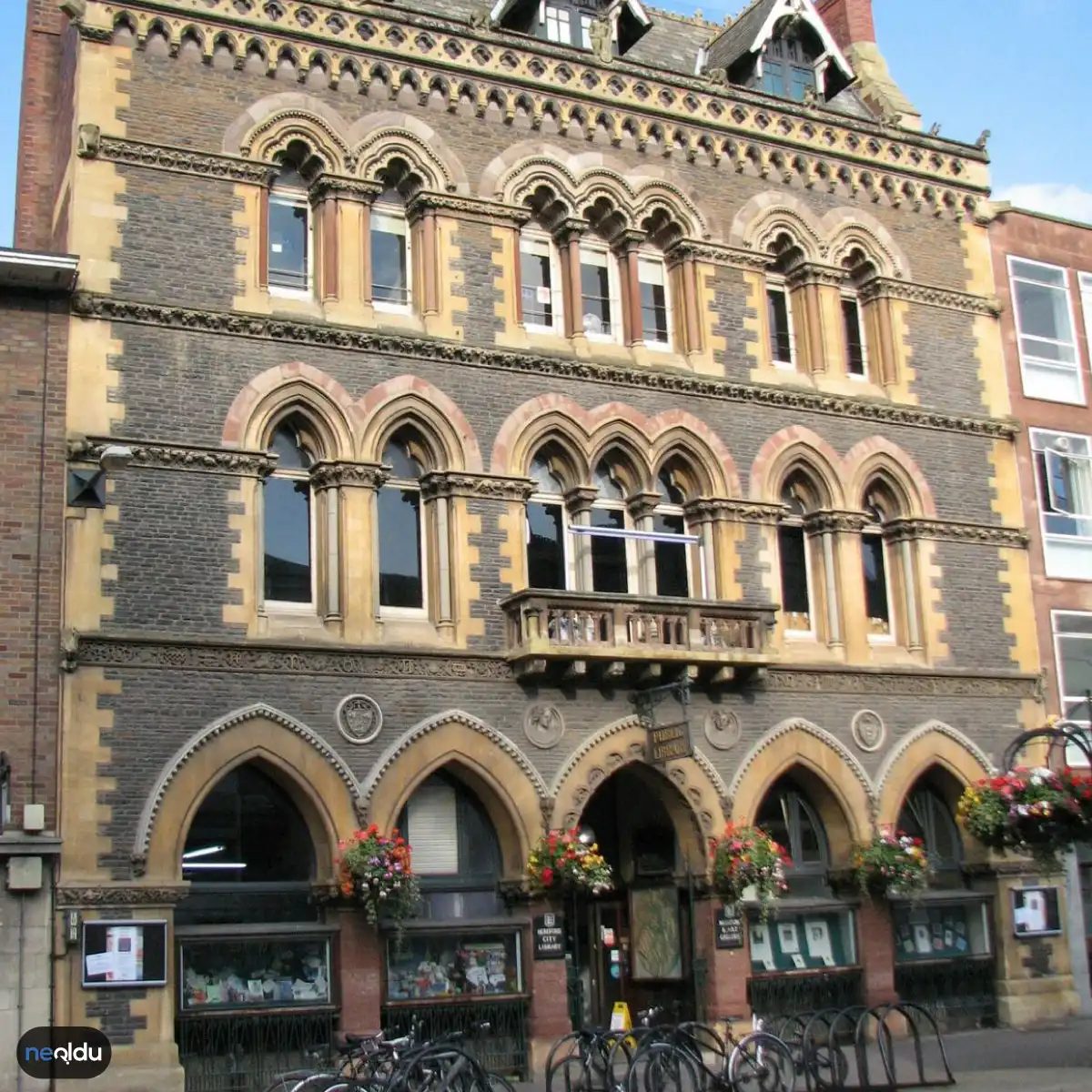

Berrington Hall
If you think Hereford’s museum life is the pinnacle of local culture, step outside the Victorian Gothic walls and into the countryside. Located about five miles west of the city centre, Berrington Hall is more than just a home. It was a deliberate illusion created by a man who wanted to make his neighbors jealous.
John Mathew Damer, 2nd Earl of Dorchester, commissioned the manor in the late 18th century. He didn’t want an ordinary countryside. He wanted a piece of ancient Greece to the hills of Herefordshire. The result is a Palladian masterpiece that feels less like a home and more like a stage for endless drama.
Why visit Berrington Hall?
Most people come here for the architecture, but the real attraction is the scenery. Damer hired William Chambers, the architect who designed Somerset House in London, to create Britain’s “first landscape garden”. This was radical at the time. Instead of manicured lawns and symmetrical flower beds, Damer introduced rolling pastures, clumps of trees and mysterious “ruins” that appeared to have fallen from the Trojan War.
The house itself is simple from the outside. The facade is plain stone and almost austere. But walk in. Symmetry is absolute. Each room is in harmony with the others, creating a visual rhythm that is both soothing and a little disconcerting. It feels more like walking through a math equation than walking inside a building.
Practical details of your visit
- Visit: The Hall is managed by the National Trust. Entry requires membership or day pass. This pass covers hundreds of other attractions as you travel across the UK, making it a cost-effective option if you’re planning to visit multiple places.
- Prices: An adult one-day ticket costs around £12-£15 based on latest prices, but prices are subject to change. Admission is free for children under 16 years of age. Access is free for members.
- Opening hours: The house and gardens are open all year round, but the internal opening hours vary according to the season. In winter, the main room is often closed in the afternoon. Plan your visit for about 1.5-2 hours.
- Logistics: The hall has a small cafe, but it is very simple. If you’re visiting in the summer, bring water. The garden is mostly flat, but the terrain can become muddy after rain. Wear sturdy shoes.
What to look for
Just don’t stare at the grand staircase. Look at plasterwork. The ceiling is covered with intricate patterns that refer to classical mythology. The “Temple of Winds” in the garden is a must-see. Standing in the middle of the small octagonal building, you can feel the wind blowing from every direction. It was a quiet moment in a turbulent history.
The area also has a collection of ancient Egyptian artifacts, which may seem random if you don’t remember Damer’s obsession with antiquity. He collected everything from Greek urns to Roman statues and spread them like breadcrumbs around the park.
Is it worth leaving the city? Yes. It offers a different rhythm. Hereford’s museums is very informative. Berrington has a great atmosphere. You leave feeling like you’ve
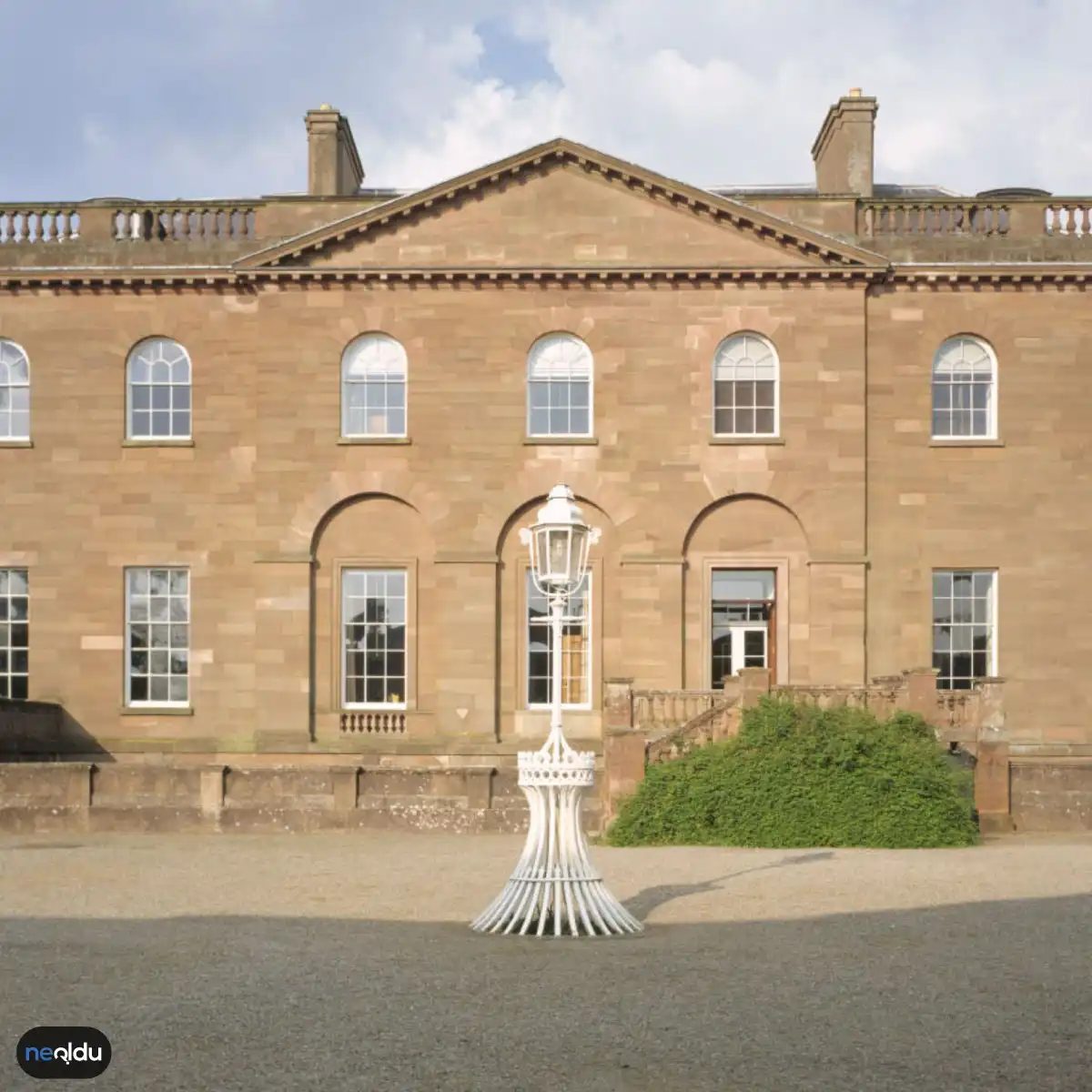
Berrington Hall may look simple from the outside. A quiet neoclassical facade. It was built between 1778 and 1881, designed by Thomas Harley. It does not scream for attention. This restraint is intentional. The house was home to the famous Cawley family until the mid-20th century. When it opened to the public in 1957, it offered more than just architecture. It brought a curated collection of furniture, paintings, and costumes.
But the real magic doesn’t stay inside the walls. The grounds are steeped in history.
4. The Weir Garden
When you leave the main building and head towards the water, the scenery changes. This is The Weir Garden, a place where you need to slow down. One of the best places to visit in Herefordshire, yet avoid the crowds of the usual tourist routes.
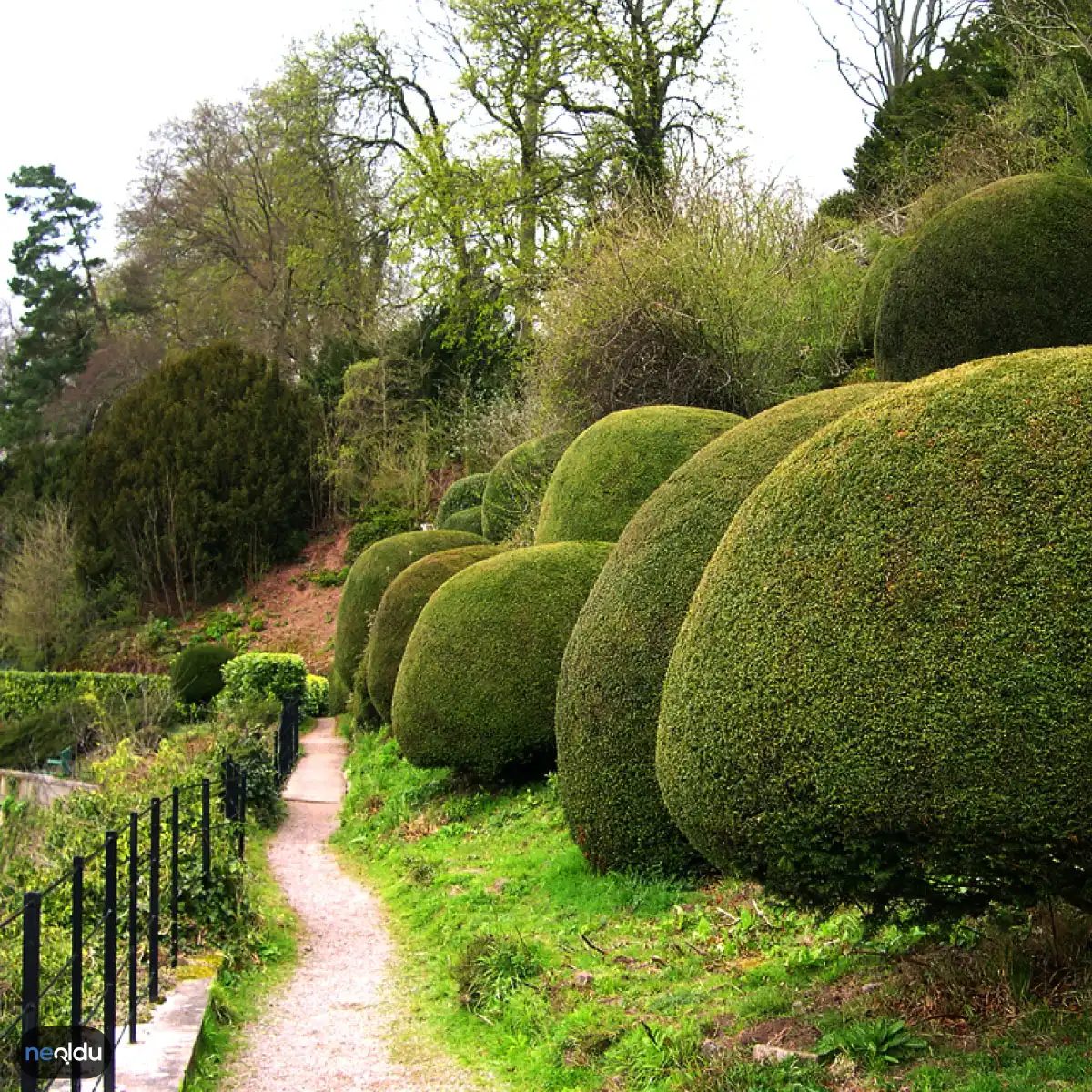
The garden isn’t manicured into rigid symmetry. Instead, follow the natural flow of the stream. You’ll find rustic bridges crossing the water. Stone steps lead to the bank. Harley may have calculated every angle to create a certain look, but this design feels very haphazard.
Why go here? For silence. And the light.
The dam garden differs from the formal structure of the hall. Wilder. More organic. You can sit on a bench and watch the water flow. The sound is constant, but gentle. It puts the 18th-century grandeur of the house into perspective. The Cawley family understands this balance. They didn’t just want a home. They wanted a retreat.
Visitors often confuse gardens with just parks. It’s more than that. It’s a well-designed experience. Look for specific planting patterns. Notice how the trees frame the water. There is a standard entrance fee, but the value is in the time you spend here. An hour is barely enough.
You might expect grand statues and elaborate fountains. Instead, you get texture. Moss on stone. The sky is reflected in the stream. This reminds us that landscape design is as much about subtraction as addition.
The path is in a loop, but it is best to repeat it twice. Once to see the layout. Once just to be there.
Does the garden change with the seasons? Yes. But even in winter, the structure holds. Bare branches add special elegance. In summer it is full of greenery. Both are valid.
You leave the garden with a different sense of scale. The house feels relatively small. The land feels bigger. This change in perspective makes Berrington Hall worth exploring. It’s not just an internal collection. But when it comes to how the outside feels to you.
The water continues to flow. The house stands still. You’re somewhere in between.
5. Kentchurch Court
Skip the gardens and head north through the rolling hills of Herefordshire to Kentchurch Court. This is more than just a fancy house with a gift shop. It is a living part of British history and feels incredibly intimate. The grounds cover thousands of acres, but the real attraction is the manor itself. Although the current structure is predominantly Victorian in style, it is a Grade I listed building dating from the 15th century.
The house is famous for its portrait collection, which includes works by Reynolds and Gainsborough. But honestly? The building attracts attention. The hammerbeam roof of the hall is from the 15th century and the stained glass windows are well preserved. You can spend hours wandering around the room paying attention to how the light hits the oak paneling.
Why go? For silence. The gardens here are less manicured than The Weir’s and are wilder and more romantic. A special path leads to a hidden lake, perfect for a quiet lunch or a breather. There is a deer park on the property and you can see red deer grazing in the distance. In contrast to the hustle and bustle of the city, it offers a sense of scale and tranquility that cannot be experienced anywhere else.
Logically, it’s a bit far. You need a car to get there. The nearest train station is in Hereford, approximately 20 minutes’ drive away. Tickets for adults cost around £12.50, but National Trust members can get in. The onsite cafe is very basic, think scones and tea rather than a five star restaurant. So plan accordingly.
Is it worth the detour? If you’re looking for manicured hedges that’s Instagram-friendly, this might not be it. But if you want to travel through centuries of history, feel the weight of the past and see landscapes that haven’t changed much in 500 years, then yes. The plot is open from March to October, but the best light is in the late afternoon. Go then. Watch the shadows lengthen on the grass. Listen to the deer.

St. Peter’s Church
The historic journey of Hereford architecture does not end at the courthouse. St. Peter’s Church is just a short walk away. This building feels more like a silent witness to the city’s history than a tourist spot. If you are looking for a historic church in the city, this is the place for you.
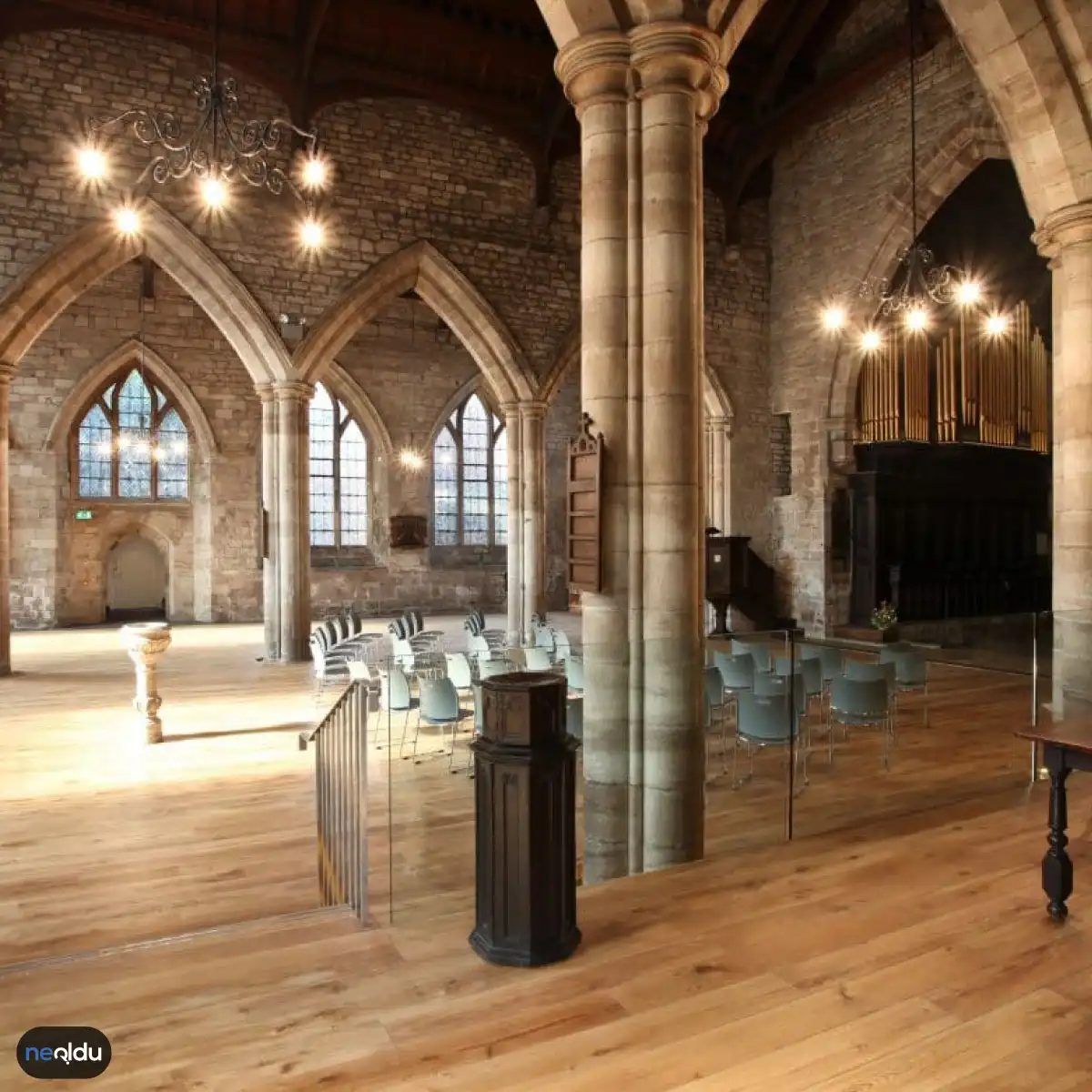
The origin of the church is unknown, but it can be traced back to the 12th century. the building you see today have been put together through restoration and reconstruction. The tower overlooks the local skyline and its history dates back to the 14th century. At the same time, the nave and chancel have been rebuilt many times over the centuries. It’s not pristine. It’s worn out. There is a certain honesty in that wear, indicating that the building continues to serve the community long after its original use.
Why is it important for today’s travelers? This is because St. Peter’s Church is one of the few places where history is not preserved behind glass. You can enter, sit on the hard wooden pews and admire the intricate and sometimes strange medieval designs carved into the ceiling. Yes, they depict scenes from the Bible, but they also depict everyday life, animals and mythical creatures. This is a visual encyclopedia of the medieval imagination unfolding before your eyes.
Location is important. Situated near the city center and is an easy stop if you want to explore the area around the Cathedral. Unlike the Cathedral with bustling crowds and ticket booths, St. Peter’s is generally quieter. You might have the chance to actually listen to the silence and maybe even hear the pipe organ practicing through the thick oak doors.
Logistically, it is open during the day, but the opening hours may vary depending on the service. Entry is free and which is a relief. The surrounding churchyard is also worth a walk. The gravestones are old, some leaning at precarious angles and covered with moss. This is a reminder that Hereford has been settling and buried its dead here for nearly a thousand years.
Is it Herefordshire’s most famous landmark? No, But it’s the one that feels real. The stone is cold. and the light changes with the clouds. For travelers who want to understand the rhythms of a place, this authenticity is more valuable than any guided tour script.
7. Cider Museum
If you’ve spent the day wandering the stone walkways and gazing up at the vaulted ceilings, your feet might need a break. Go to the Hereford Cider Museum. It might sound like a niche place, a detour, but it’s definitely the city’s most unique cultural center. Herefordshire isn’t just a backdrop for historic churches; This is the spiritual home of English cider. In the shadow of the cathedral and hidden in a building that once processed the fruit, this museum tells the story of how people fell in love with apples.
It’s not just jars of sugar-free juice. You walk past the machines that run the region’s economy. The exhibition is full of history and traces the transition from a traditional orchard to modern production. You can see old presses, copper tanks and labels that have changed from Victorian times. It’s touchable. If you stand there for a long time, you can almost smell the aroma of yeast and fermented fruits.
Why go? Because cider is not a drink you order from a bar. This is geography. Soil, climate and certain apple varieties (such as Dabinett and Herefordshire Brownleaves) create unique flavors. This museum showcases the science of fermentation and the art of mixing. It answers the “how” of the liquid in your glass. For tourists, it is a lesson in terroir.
The experience is short, it takes about 45 minutes to read every placard. However, it will provide context for every pint you buy over the next few days. Without this visit, you’re just drinking. With it, you’re tasting history.
The museum is small. It is very small. Don’t expect a big complex. Expect a tight, focused narrative. Yes, tastings are usually offered at the end or available for purchase. Now we move from observer to participant.
7. Cider Museum
St. Peter’s Church may attract pilgrims, but the Cider Museum attracts locals and savvy travelers who know that culture is best enjoyed with a pint in hand. Just a stone’s throw from the cathedral, this tourist attraction offers an insight into one of Herefordshire’s most iconic industries. It is more than just a museum. It is a testament to the agricultural spirit of the region.
The buildings themselves are often housed in former cider houses and retain the industrial charm of the area. The original centuries-old pressing equipment and detailed explanations of the fermentation process are on display. This appeals to those who understand the alchemy of transforming crisp apples into complex, dry or sweet ciders. Exhibits cover the history of the orchard, the impact of WWII on apple stocks and the modern renaissance of craft cider making.
It’s quick to visit and fits easily into a half-day itinerary. But it is an important piece of the Hereford puzzle. You can’t understand a city without knowing its apples. The museum provides this missing link. It’s educational, engaging and has a great atmosphere.
autumn is ideal, when the harvest is fresh. However, the museum is open all year round. Whether you’re a cider lover or just curious,
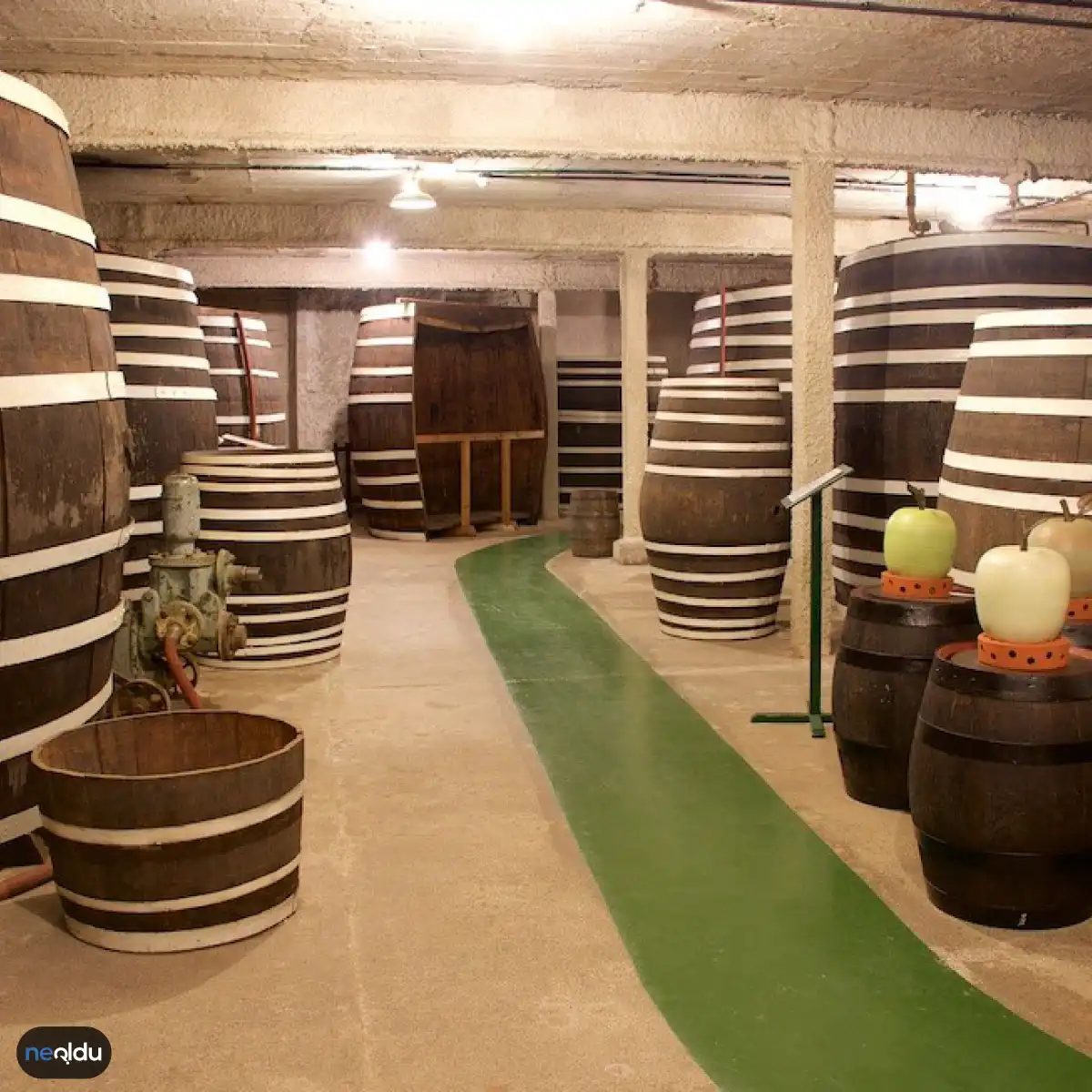
Cider Museum: Hereford must see
Housed in an old cider factory building, the Cider Museum is not just a place for wine lovers looking for a nightcap. Herefordshire’s rich history comes alive here. You don’t have to be a sommelier. You just have to be curious about what’s in your glass.
Since 1981, this place has been introducing visitors to the tools of the trade. The displays focus heavily on winemaking materials and cellars. You will see a machine that actually squeezes the fruit. Walk through a space that reminds you of the fermentation process. This is hands-on training. No boring lectures.
If you’re planning a trip to Hereford, this is one stop you can’t miss. It’s small. This is special. However, it explains the features of the area better than any other guide. Herefordshire is famous for its orchards. The museum ties the tree to the bottle.
This museum preserves the region’s cider and wine production heritage and gives you the opportunity to learn about traditional methods and equipment.
What are we actually seeing?
The exhibits are mainly machines. Think copper stills. Wooden presses. The fermentor has seen better days, but it still has apple and oak trunks. Museums use these objects to tell the history of production. It’s not just about the alcohol. This is a story about agriculture. It’s about how people here have made a living for centuries.
You will find exhibitions about the development of handicrafts. Transition from home brewing to industrial production. Certain apple varieties used in traditional cider. If you’ve ever wondered why Hereford cider tastes different than Kent cider, start your search here. Soil is important. The climate is important. Fruits are important.
For travelers, this place is a perfect morning stop. Or enjoy an afternoon break between walks at Hereford Cathedral. This is the center. It is very easy to find. You don’t have to travel long distances either.
Why the detour is worth it
Tell me the truth. Most museums are great until you realize you’re only looking at old pots. This is different. It has a purpose. Every object on display has a function. Each sticker tells the story of the local economy.
It’s also one of the best ways to get to know the culture of the West Midlands. Hereford is more than just a stop on the way to Wales. It has its own pulse. A unique history. The Cider Museum has recorded this. We respect craftsmanship. It’s not very romantic. That’s all about presenting your work.
When you leave, you’ll walk away with a better taste. Not because we taste more, but because we understand more. Next time you order a cider, think about the press. Cellar. Hands that work.
There are also no fancy gift shops. This application does not require interactive displays. Just a product. It’s a real tool. real history. In a world full of digital distractions, this is a refreshing change. You leave with dirt under your metaphorical fingernails. It also gives you a reason to stay in Hereford a little longer.


