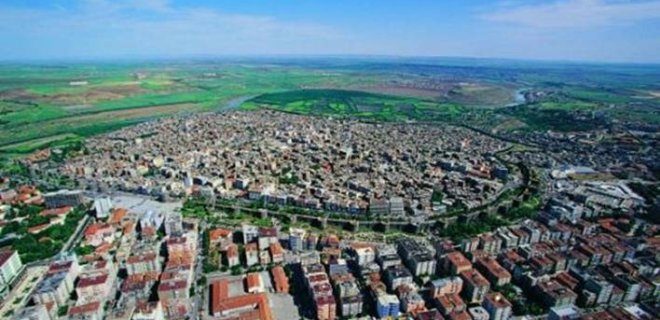
Diyarbakir is more than just a transit point. This is a destination that demands attention. The area of the city is 15,272 square kilometers and the population is 1,635,048. It can be identified by the traffic code 21 or from abroad by the area code 0412.
But the name has changed.
The old spelling is Diyarbekir. When you put it in your mouth, it becomes more authentic. It has weight. It is currently the 12th most populous province in Turkey. The energy here is very intense.
Climate: harsh but fair
If you are planning a trip, you need to know the weather conditions. Diyarbakir has a continental climate.
So it’s hot in the summer. Winter is very cold. There is little moderation. Temperature fluctuations are real. You can’t expect the wind to save you in July. Pack accordingly.
The landscape reflects this intensity. The land has about 9000 years of history. This is not an exaggeration. Traces of the Paleolithic and Mesolithic periods are buried in the soil.
Civilization was born here. they fell. A new one has taken its place.
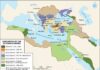
On September 15, 1515, the Ottoman Empire officially annexed Diyarbakir to its territory. This day cemented the city’s place in modern Turkish history. But the roots are much deeper.
Places to stay and explore
The city is divided into several areas. The base you choose depends on what you want to see.
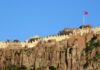
The key areas are Sur, Yenisehir and Baglar. Sur is a historical center. This is an ancient walled city. Go there and feel the age of the stones.
Jenisehir is more modern. There are shops and restaurants for modern tastes. Bağlar is nearby and is a place where both worlds meet.
If you want to travel further afield, the county towns offers a different perspective.
Silvan, Lice, Kulp and Koçakoy are located in the west and south. they are quiet. The traffic gradually decreased.
In the east and north are Kayapınar, Hazro, Hani, Ergani, Eğil, Dicle, Cüngüş, Çınar and Çermik. Bismil completed the list.
“Diyarbakir has been the home of many civilizations during its history, dates back almost 9,000 years.”
These areas are more than just administrative entries. They are places with their own rhythm. The drive from Sur to Silvan takes a long time. The road is not empty. The views stretch from the city to the rugged hills.
Crafts and traditions
This city is famous for its hands.
Here, the work of artisans is not a tourist gimmick. This is a living tradition. You can still see craftsmen in small workshops.
Jewelry making is excellent. Gold and silver flow through the streets. The design is complex. They reflect the taste of centuries.
Silk production is also done here. It’s not as extensive as Bursa, but it’s there. Locally produced silk has a unique texture.
The brass work complete the triad
### Diyarbakir folklore, heritage and flavor
The city’s cultural rhythm is driven by music. Listen to the unique türkü tune, the energetic oyun havaları (dance melodies) and watch the locals perform traditional folk dances that date back centuries. These are not made for tourists. They are the hub of community gathering.
In addition to music, the city has a rich history. It is very rich in terms of historical remains and architectures. To walk its streets is to pass through layers of empires and civilizations that have left their mark in stone and mortar.
Agriculture as the backbone of the economy
Economically, Diyarbakir relies on two pillars: agriculture and livestock. At the moment, the number of livestock is small, but the expansion of the industry is underway. Farmers raise rough-haired goats (kıl keçisi ), sheep, cows and donkeys. Beekeeping (arıcılık ) has also become an important industry that adds diversity to the rural economy.
But the real growth is in agriculture. The cultivation of grain, vegetables and fruits expanded rapidly.
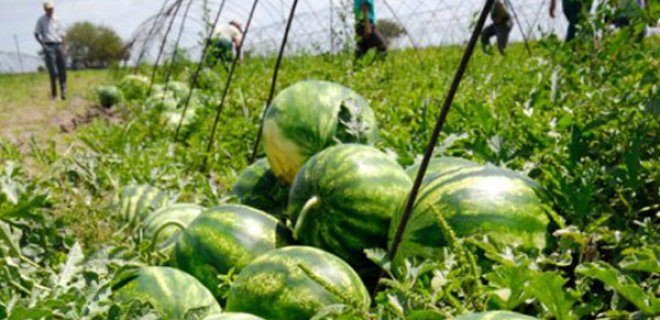
Diyarbakir’s watermelon is the symbol of the province.
Cultivation of watermelons and melons is particularly important. When you visit, be sure to look for these fruits. They are not just products. They are the flavors of the region. The sweetness and size of these melons determine the agricultural characteristics of this region.
Diyarbakir’s economy runs on two engines. There is wealth deep underground and craftsmanship above ground that define everyday life. It is one of the most mineral-rich provinces in Turkey. The stakes are high. There are large oil reserves in the Bismil region. These are not just local assets. They are important for the country’s energy grid.
Industrial change in Diyarbakir
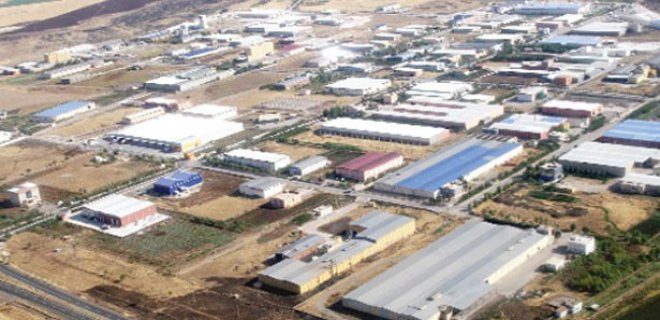
Industrial development here was slow. deliberate. You won’t find a large conglomerate dominating the skyline. Instead, we see several smaller factories opening up. There is energy in traditional industries. Small industrial clusters are created around certain skills.
Textiles. Copper works. Goldsmithing. Blacksmith.
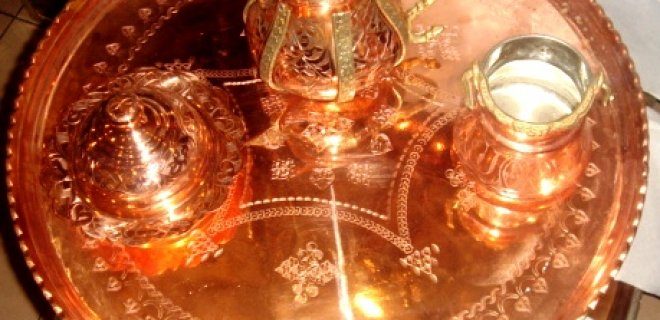
These are not relics of the past. These are actively developing fields. Craftsmanship is still very basic. You still have to do it yourself. The copper craftsmen of Diyarbakir do more than sell pots. They sell the process.
“Small-scale industry thrives on specialization and traditional techniques, not large-scale production.”
Why this is important for your visit
If you’re planning a trip, don’t just look at the stone walls. Look at the workshops. Souks are more than tourist traps. These function as industrial centers. You can watch a goldsmith set a stone. Watch a blacksmith forge a blade. This is very practical. That’s true.
The contrast is impressive. Oil flows underground. Metalworking is applied to the surface. Both define the identity of Diyarbakir.
Useful tips for travelers
- Where to find these items: Visit the heart of the old town. The craftsmen’s apartments are hidden in an alley near the Great Mosque.
- What you buy: Handmade copper tray. traditional gold jewelry. Locally forged knives.
- When to go: Early morning sunshine is best for workshops. Afternoons are for commerce.
- How to participate: Ask about the technique. Most artisans welcome curiosity. The connection is established.
This city is more than just a historical monument. This is a work scene. Oil reserves provide fuel for the country. These crafts boost the local economy. Both are worth understanding.
I take home more than just pictures. Start with a sense of rhythm. The slow grind of industry. The flash of gold. The heat of the forge.
The relationship between oil fields and jewelry stores is not always easy to see. But the clues are there. wealth. Transformation. value.
Diyarbakir does not advertise its industry. It shows you.
The clickbait links at the end of the guide are a trap. They suggest that three separate documents are needed to understand the city. You don’t.
Diyarbakir is not a list. It’s a texture. You can feel it in the black basalt stones that darken with time and rain. You taste it in the heavy, spiced stews that stays in your stomach for hours. You hear it in the call to prayer that echoes off the walls that have witnessed the rise and fall of empires.
If you’re standing here right now, you’ve made the difficult choice to escape the tourist trap along the coast. Good.
Let’s talk about the logistics that really matter. The ones that won’t be on the typical “top 10” list.
Walking on the walls
Spring is a cliché. Everyone says March and April are the best. they are right. The air is cool. Flowers have appeared. But what about the audience? It is very thick. You’ll be fighting for photo spots near the Hevsel Gardens.
Go at the end of October.
The light is golden. The heat breaks. Now that the summer humidity is gone, the locals are back in the streets This is a great place to walk around Sur before lunch without getting your shirt sweaty.
If you must go in the summer, go at dawn. The walls are cool then. The city is slowly waking up. You get the silence before the traffic starts.
Where to Stay (and Why Location Beats Luxury)
Don’t look at the big international chains. They are sterile. they are safe. they are boring.
Stay in Sur.
I mean the specific hotels which is a converted Ottoman house. Not on major highways. Something hidden in a narrow alley.
You end up paying less than you expected. You can get something that money can’t buy: context. Your host will tell you which bakery has the best gozleme. They’ll show you a shortcut to the clock tower, which is not on Google Maps.
If you want history, avoid the new development near the bridge. Just replace the concrete box with another box.
Dine like a local (more than photos)
You’ve probably seen the picture. There are a lot of kebabs. A pile of bread.
This is reality. Diyarbakir has plenty of food. It is there to support you. This is not a snack. This is a long lasting meal.
Let’s start with manti. small dumplings. Serve with yogurt and garlic and sprinkle with melted butter and paprika. The balance is sharp. The yogurt cuts the richness. The butter adds depth.
But the real test is çemen. Yogurt-based herbal soup. Sounds simple. it is not. The herbs vary according to the season. It tastes like the earth itself.
Don’t rush to eat bread. Lavash is soft. Yufka is crispy. Both are required. Soak, wrap and eat. It’s very messy. Honest.
District of Sur: a labyrinth, not a museum
You will get lost.
Good.
The Sur area is a maze of narrow streets. The buildings are black stone of black stone. The windows are very small. The doors are heavy wood of solid wood.
Walk past the clock tower. Don’t just take a