


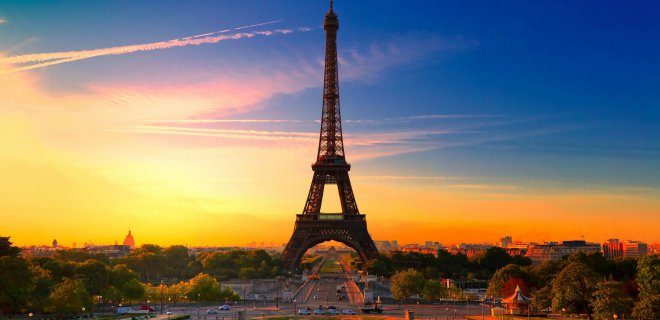
France has established itself at the top of the world tourism system. It’s more than just a country. It is a destination defined by centuries of history, stunning architecture and a cultural footprint that extends far beyond its borders. With a population of 67 million and a currency denominated in the euro, France attracts millions of tourists every year with its mix of high-end luxury and friendly charm. Tourism is more than just a side job here. It is the backbone of the economy, supported by a dense network of palaces, cathedrals, bridges and parks that stretched from the Alps to the Mediterranean.
The climate varies greatly depending on the season. Summer is hot and dry, so the southern beaches are perfect for swimming. Winter brings cold, snowy air, perfect for skiing in the Alps and enjoying the cozy cafe culture of Paris. But beyond the weather and the wine, there are special attractions that attract visitors. Often referred to as the “Land of Love”, this romantic label only scratches the surface of what makes this country worth seeing.
If you’re planning a trip, you probably have a specific goal in mind. For most people, that goal is Paris. As with most Paris tours, there is one stop that is non-negotiable.
How to visit the Eiffel Tower like a local
You can’t talk about France without talking about the Eiffel Tower. It’s not just an observation deck. It is a physical representation of Paris itself. This 300-meter-high lattice tower dominates the skyline of the capital. But to really appreciate it, we have to look beyond the postcards.
The building was built in 1887-1889 to host the World’s Fair. This project was groundbreaking at the time. Gustave Eiffel designed the tower, but architect Stephen Sauvestre improved its aesthetic appeal. What is shocking is the human element behind the iron. Hundreds of workers worked on construction projects. Remarkably, despite the high altitude and industrial hazards of the late 1800s, there were no fatalities during assembly. This statistic is more noteworthy than the view from the top.
Today, the Eiffel Tower is the most visited paid monument in the world. There will be a lot of people, so if you’re not prepared, you might feel overwhelmed. That is the meaning of logistics. Don’t show up unprepared and expect a smooth flow.
Why timing is everything
You asked when to go. The answer depends on what you are willing to sacrifice: convenience or crowd size.
Summer (June to August) has the best weather, but the queues are the longest. You wait in line under the sun. Winter is colder, but the queues are shorter. However, regardless of the season, the top of the tower can be closed in case of strong winds. This is a risk you must accept.
For the best experience, choose the shoulder season (May or September). The weather is still pleasant, but the wave of tourists has receded a bit. Book your tickets online several weeks in advance. Individual tickets are rare and often sell out by noon.
Navigating the Structure
The tower has three floors and is open to the public.
1.**

Palace of Versailles
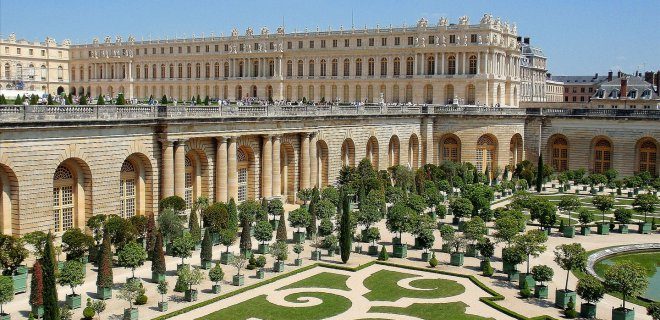
It towers over the city, a sheer wall of stone and gold that cannot be ignored. Built in 1682, the Palace of Versailles is more than just a building. It is an argument made in architecture. Here, French Baroque style and contemporary design combine to create a space that feels more like an expression of absolute power than a home.
The name behind it looks like a portrait of a 17th century genius. Louis Le Vau. Jules Hardouin-Mansard. Philibert Le Roy. Ange-Jacques Gabriel. Robert de Cotte. Jacques Gabriel. They don’t just design walls. They design the atmosphere. Their efforts transformed the sleepy town of Versailles into a world-class tourist destination.
The building is 7 hectares in size and currently serves as a museum. Calling it a museum, however, understates its size. The interior is breathtakingly beautiful. The garden is a masterpiece of symmetry. Together, they create an almost perfect harmony.
There’s a reason why this place is a UNESCO World Heritage Site. It’s not just pretty. Its history is rich.
The Treaty of Versailles, which ended World War I, was signed in the Hall of Mirrors.
The irony is sharp. The palace was once a place where kings showed off their riches, but after the First World War, a battered Germany was forced to accept peace terms. That weight is still there if you know where to look.
If you plan to visit the Palace of Versailles and its surroundings, you need more than just a ticket. You need a strategy. There is more to the city than just the main entrance, but the palace itself deserves attention. Start with the gardens. They are vast. They are carefully maintained. It was designed not only to be admired from afar, but also to be walked on.
Logistics is key here. The site is huge. Wear comfortable shoes. Please bring water. Queues to enter can be long, especially during high season. Make a reservation in advance. Do not show up expecting to wander in casually.
The balance between manicured lawns and luxurious interiors is no accident. It’s calculated. It was meant to awe. When you stand in the Hall of Mirrors, you stand in a space where history has been completely rewritten.
It’s easy to get lost in the gold of the leaves. chandelier. Portrait. But look at the floor. Look out the window. See how the light hits the water outside. The details make it a reality.
The tourism industry around Versailles thrives on this duality. It is a fairy tale on one side. On the other side is a political chessboard. You can choose which version you believe. Or maybe you just accept that both are true.
Walking away, the town feels smaller. Quieter. The palace remains, silent and imposing, waiting for the next wave of visitors to marvel at its vastness. It does not care about your opinion. It has survived kings, revolutions and world wars. It will survive your Instagram post.
How to visit the Louvre without the crowds: times, tickets and attractions
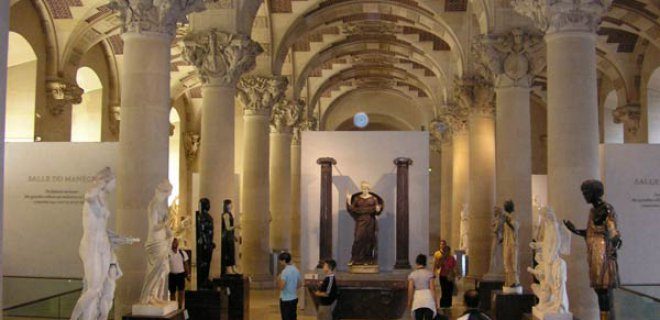
Not everything is visible. Accept it now. The Louvre in Paris is a beast. It was opened to the public in 1793, shortly after the French Revolution turned the palace into a national museum. Since then, it has become the most visited museum in the world. In 2007 alone, it attracted about 9.7 million visitors. That is not a crowd; it is a migration.
The building itself is older than I expected. Its construction dates back to the 13th century. It is said to have originally been a fortress. Now there are Egyptian antiquities, Greek sculptures and paintings that have survived for thousands of years. Planning a trip requires a strategy. If you are taking a leisurely walk, you might get so tired that you can only see the back of the Mona Lisa.
Visit at less busy times
The biggest mistake travelers make is arriving at 10 a.m. on a Tuesday morning. Don’t do this. You will stand in a line that wraps around the pyramid.
- Best day: Wednesday or Friday evening. The museum is open late, so all the day-trippers have gone home.
- Worst days: Weekends and French public holidays.
- Time: Aim for the last entry time of the day. The energy changes. The crowds thin out. You can actually breathe.
Which art is really worth your time
Yes, you must see the Mona Lisa. But if you make that your only goal, you’ve already lost. It’s small. It’s behind bulletproof glass. It is surrounded by a wall of people taking photos.
Instead, look for Greek Antiquities dating back to 2000 BC. The collection here is very rich. Discover the masterpieces that define Western art. The Winged Victory of Samothrace is a must-see. It stands on a grand staircase. It seems to fly away. The antiquities region of the Middle East is often overlooked by tourists, but there are artifacts that have rewritten history.
Practical logistics for first timers
- Tickets: Buy online several weeks in advance. Skip-the-line tickets are not a luxury. they are a necessity.
- Navigation: The Louvre is a maze. Download the official app or pick up a map at the entrance. Don’t try to memorize the layout.
- Route: Start at the Denon Wing and admire the famous figures (Mona Lisa, Venus de Milo). Visit the Richelieu Wing to see older, quieter and often more impressive archaeological finds.
- Price: Entrance costs around 15-17 euros, but the real price is your time. Plan at least half a day. If you want to visit places other than the main hall, it is better to spend the whole day there.
Why the Greek collection stands out
The text notes that Greek works from 2000 BC draw huge interest. Very interesting. This is accurate. These are not just statues. They are part of civilization and continue to influence how we think about beauty, democracy, and war. The Louvre’s collection spans centuries. Contains Etruscan, Roman and Egyptian artefacts. But the Greeks
Gothic masterpieces characteristic of Paris
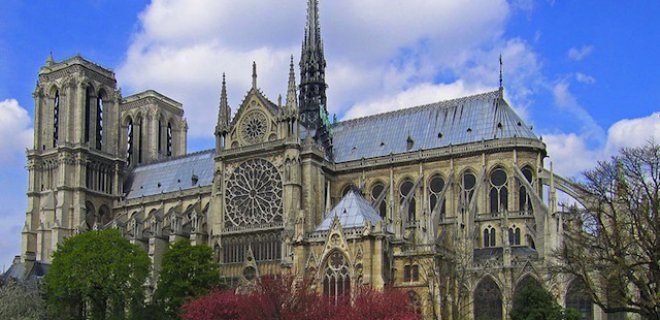
It’s not just about visiting Notre Dame Cathedral. You stand in front of it and feel the weight of centuries on you. This is more than just a church. It is a spiritual pillar of Paris, a stark testament to the French Gothic architecture that has seen the city evolve for almost 900 years. Construction began in 1163 and continued until 1345. This work of faith shaped the skyline and spirit of the capital.
The design credits go to a rotating cast of legendary architects. Pierre de Montreuil laid the foundations. Jean de Chelles brought his vision. Later, Jean-Baptiste-Antoine Lassus was responsible for its restoration and improvement. result? A building whose height is 96 meters. It’s not just about sitting. It looms. It faces the Ile de la Cité.
Inscription on the UNESCO World Heritage List is more than just a sign. This is a recognition of the universal value of this site. But what stands out among the sights of Notre Dame Cathedral? The flying buttresses. The intricate stone gargoyles. The light shines through the stained glass windows that have survived the wars, revolutions and fires that shook the world in 2019.
Why are tourists still flocking here even though renovation work is underway? Because the presence is palpable. While construction continues inside, you can walk outside. You can also look up at the rose window. You can feel the coolness of the stones even in summer. It’s not about looking at every detail. It’s about standing in the shadow of what you’ve been through.
Timing is important. Let’s go early. In the morning, the light hits the west facade in different ways, creating long shadows and emphasizing the structure of the stone. If you go later, you’ll have to fight the crowds. If you go at night, the lighting completely changes the atmosphere, turning the cathedral into a beacon in the dark sky.
Cost? Entry to the nave is free. However, if you want to climb the tower, you have to pay a fee. It’s worth it for the view. Not just of the city, but of the craftsmanship up close. The spiral staircase is very narrow. The air is thin. The panic sets in. And then you reach the top. The gargoyles stare back. Paris stretches under your feet as a lattice of light and life.
Is it perfect? No, it’s faded. It’s full of scars. It has been rebuilt and renovated many times. But that’s the point. History is not static. It is a living thing, restored, preserved and soaring in the wind. You leave with more than photos. You leave with a sense of scale. It reminds us that some things last more than one lifetime.
The doors are closing for restoration. They’ll open again. But the structure remains. A silent observer. stone giant. I wait for the next visitor to look up and wonder how something so heavy could be there.
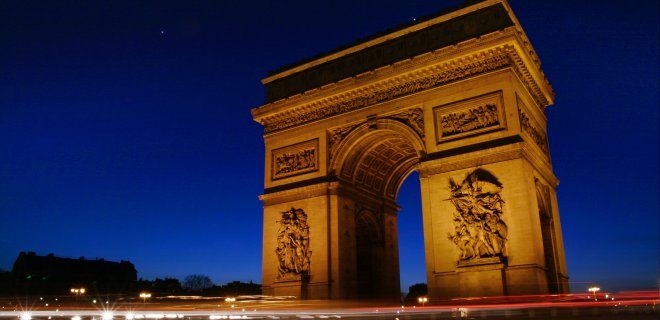
Arc de Triomphe: a magnificent neoclassical masterpiece
The Arc de Triomphe was built between 1806 and 1836 and is one of the most central and busiest places in Paris. It is more than a memorial. It is the anchor that gives meaning to the great Place Charles de Gaulle (formerly Place Etoile). The structure itself is majestic. It is 49 meters high and 22 meters long.
Who designed this miracle? It was possible thanks to the team of architects led by Jean Chalgrin, with significant contributions from Guillaume-Abel Blouet, Jean-Nicolas Huyot, Jean-Arnaud Raymond and Louis-Robert Goust. They chose a neoclassical style and aimed to create a timeless aesthetic reminiscent of the ancient Roman triumphal arches, but with a distinctly French revolutionary spirit.
The area around the arch is never quiet. Traffic circles like this one in Paris are inherently chaotic. Eight boulevards radiate from the star-shaped square, creating a continuous flow of traffic. Tourists flock here in droves. They can be seen everywhere trying to navigate through huge intersections while taking in the scenery.
“Amidst the chaos of Parisian traffic and history, this arch is a solitary point of stillness.”
Visiting requires strategy. Its size can be confusing. Patience is needed to admire the intricate carvings on the columns up close, including François Rude’s famous “La Marseillaise” relief. But the effort pays off. The perspective below is different from the one above. Climb the 284 steps to the observation deck for 360-degree views of the Eiffel Tower, Louvre and Montparnasse Tower. It is one of the best viewing spots in the city.
The surrounding area is lively day and night. Luxury department stores such as Galeries Lafayette are nearby. The Champs Elysées stretches like a boulevard. This is where history meets modern commerce. The energy is palpable. If you are looking for a quiet moment in Paris, this is not the place for you. But if you want to feel the pulse of the city’s most famous intersection, this is the place.
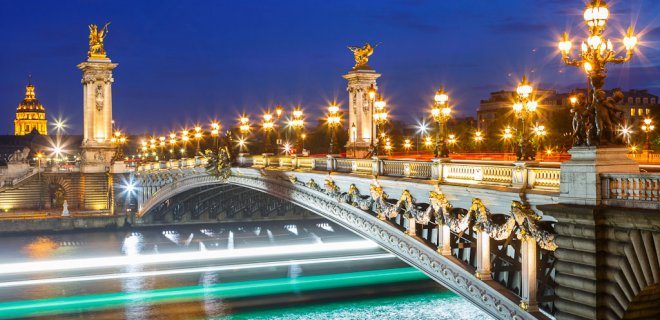
Alexandre Bridge
It spans the Seine with a single, heavy arch. Construction began in 1896 and continued until the beginning of the 20th century, when it was finally open its gates. It is 160 meters long and one of the most important bridges in Paris, and its role is beyond mere transit.
Look closely at the metalwork. This structure is filled with exaggerated decorations, a chaotic mix of mythical figures and ornate ironwork that refuses to let you look away. It’s not just infrastructure. This is a historical French monument that is protected and preserved despite the river’s constant churn below.
“Bridges are not just intersections, they are sculptures made of steel.”
Why is this important? It offers travelers a vantage point that is not only historically significant but also visually stunning. The Alexandre Bridge connects the École Militaire to the Invalides, but the real attraction is the view. On one side you can see the Musée d’Orsay and on the other the Dôme des Invalides. The atmosphere changes completely depending on the lighting. The morning light hits the bronze statues with a sharp glare. The setting sun turns the river into a sheet of copper.
Is it worth the detour? Yes. Most tourists choose Pont Neuf or Pont des Arts. Alexandre Bridge is a bit quieter, so you can get clearer pictures of the architecture without the selfie stick getting in the way.
The cost? free. The access? Available at any time of the day, but the traffic noise above can be loud. The best time to walk is in the late afternoon when the shadows are longer and the details of the ornate decorations stand out against the darkening sky.
You may notice its weight. The stone pylons are massive. They don’t just hold up the arch. They feel like they are holding back the city itself.
Why does Alexandre Bridge stand out?
It is an important landmark for Paris tourism. But what makes it unique compared to other major bridges in Paris? The answer lies in its historical significance. Built during a time of industrial optimism, it represented a shift from pure functionality to artistic expression. exaggerated decorations are not subtle. They are loud. They need attention.
This is important for travelers planning itineraries. If you’re looking for the authentic Parisian experiences, this bridge offers a different pace. It is slightly less crowded than Pont de Bir-Hakeim. This bridge is less romantic than the Pont Alexandre III (although it is often confused with the Pont Alexandre III due to similar naming conventions in everyday conversation, technically the Alexandre Bridge refers to the bridge named after King Alexander I of Russia, as opposed to the more famous Pont Alexandre III).
Wait. Let’s clear something up. The text refers to the Alexandre Bridge (commonly known as the Alexandre Bridge). Different from Pont Alexandre III. The latter is more famous, more expensive to visit for photo opportunities, and more crowded. The Alexandre Bridge is a single-arch bridge over the Seine, built in the same era, but with a different architectural emphasis.
Its status as a historical French monument ensures that it remains in its original condition. No graffiti. There are no makeshift stalls. Just iron and stone.
If you ask how to get there, take the subway
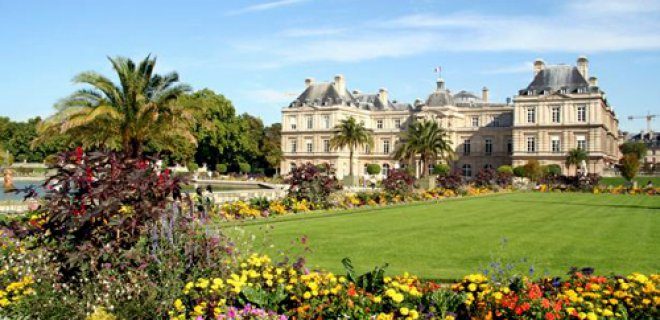
Luxembourg Gardens: Paris Escape
If you are tired of wandering around the Louvre or the Marais, the Jardin du Luxembourg is a necessary resting place. It’s more than just a park. This is a sanctuary from the hustle and bustle of the city, where you can hear the rustle of plane trees and the splash of fountains.
Spring and summer bring life to the garden. With the careful care of the jardinier en chef, the flower beds become colorful. Bright tulips bloom in spring and structured elegance of summer blooms in summer. Statues line the lawns, and the cascading Medici fountain provides a peaceful backdrop for reading and people-watching.
The atmosphere is distinctly French, but definitely welcoming. Locals and tourists claim spots on the green benches. Children ride wooden boats in the large central pond. This tradition dates back to the 17th century. This is one of the few places where everyone can find their own rhythm.
Food and drinks are also part of the experience. There are several cafes and restaurants on site. You can also order a croissant and coffee on the small terrace or enjoy a heartier meal while admiring the palace. Prices reflect Parisian standards, so budget accordingly, but the atmosphere makes the cost seem reasonable.
Travelers looking for Luxembourg Gardens visiting tips should note that the gardens are open every day from early morning until dusk. The exact time varies depending on the season. In the summer, the opening hours are later. It closes early in the winter. You can enjoy the best views when you enter through the main entrance near the palace.
“The gardens of Luxembourg are the living room of Paris.”
Why do Parisians love it? Provide space. In densely populated cities, open green space is irreplaceable. Gardens offer space to breathe, sit and watch the world go by. It’s not as crowded as the Tuileries Palace. The scale is more intimate. This palace was once the residence of queens and emperors and now houses the French Senate. A neoclassical facade rises above the garden, reminding visitors of the history of the place.
What kind of activity is really worth doing? Renting a boat is a classic. The price is reasonable and they will take you to the pond. When you look at the windmills still spinning near the entrance, you can feel the country atmosphere in the middle of the city. A rose garden planted with geometric patterns looks especially beautiful in late spring.
Logistics is key here. The nearest metro stations are Odéon and Luxembourg. Both are within walking distance. It is just a short walk across the Seine from the Latin Quarter. It is also easily accessible by public transport. Parking near the garden is difficult and expensive. Leave your car behind.
What should I bring? A book. A blanket. Or just time. There are many benches. The sun is always warm. Even in the cold months, the bare branches have a unique beauty. Access to the garden is free. There are no tickets. This ease of use is also one of its charms.
The quality of the cafes varies. Some are tourist traps. Others are hidden gems. Look for the ones with locals. Café de la Paix is famous for its terrace, but the smaller places in the garden offer a more relaxed atmosphere. Order a pastry and tea. Sit for an hour. Watch the light
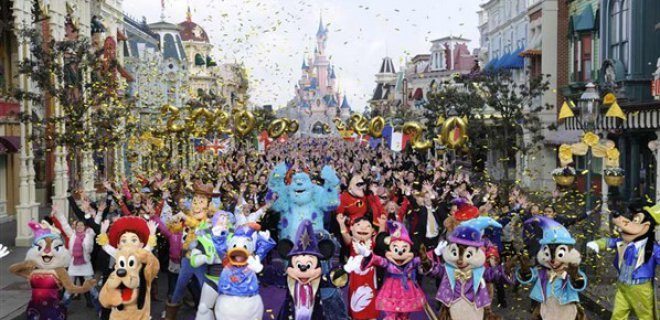
The size of Disneyland Paris
This theme park is the most visited theme park in Europe and has held that title since it opened in 1992. It covers 4,800 acres and includes more than just a few rides on the grass. This is a fully realized entertainment center designed to fully immerse you.
For thrill seekers, the park offers high-speed roller coasters that take you on a ride of chaos and adventure. Families with young children are surrounded by a world full of animated characters and toys that look like they were pulled straight from the screen. Designed for all ages.
But the destination is far beyond the fence. The resort has its own hotel, golf course, leisure area and shopping center. You can stay there, play there, shop there and only leave when you’re done.
Scale of Place de la Concorde
It is extensive. Most people think of Parisian squares as a cozy area with cobbled streets and cafes, but Place de la Concorde is something else entirely. This approximately 9-hectare square is one of the largest public squares in Europe. You can’t just walk through this space. You walk through this space. You will go through it. It dominates the 8th arrondissement and commands attention from every angle.
This design is no accident. It was conceived by Ange-Jacques Gabriel, an important figure in French architecture. His vision was to balance grandeur and symmetry. The construction was a long project that lasted from 1772 to 1830. This vast square in the center of the city took decades to build.
Today, this square is no longer a historical site, but rather a tourism and leisure powerhouse. The surrounding area is full of wonderful historical buildings and fashionable establishments. There are hotels for luxury travelers, sidewalk cafes and restaurants overlooking the obelisk. This is a place where history and the present interact in a constant, bustling exchange.
Its monuments characterize the atmosphere here. Statues and fountains dot the edges and offering focal points in the open space. But scale is the real story. It can accommodate thousands of people without feeling cramped. For a traveler, it serves as a critical junction. It is bordered to the north by the Champs-Elysées, to the west by the Tuileries Gardens and to the east by the River Seine.
It’s easy to underestimate this square until you’re actually in the middle of it. The perspective changes. The buildings seem further away. The sky looks larger. It is a space designed for movement, parades, for display. It’s designed to let you wander, take photos, and catch your breath before heading to the next landmark. The fountains still flow. The statues still stand. The hotels still book up. Although the city moves around it, the square remains solid and vast, anchoring the right bank of Paris.
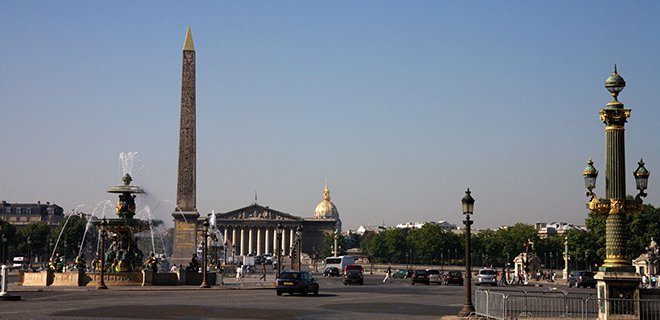
Inside the fortress of faith
The Pope’s Palace is more than just a building. This is a statement carved in stone that hangs over Avignon as a warning. As one of the most important Gothic palaces in Europe, it dominates the city’s skyline. But don’t be fooled by its splendor. This place was originally a military base. In the 14th century, the Pope moved there and turned the fortress into a seat of power, which changed the entire Christian world.
This building speaks to the tension between defense and luxury. It can be seen with thick walls and towering halls. Credit for the design goes to a strong team of French architects. Pierre Peysson and Jean du Louvres led the attack. Pierre Obreri and Pierre Poisson joined them. Their works create an impenetrable but wonderful space.
Today’s visit felt like stepping into a time capsule of political intrigue. It’s hard to appreciate the enormity of this complex unless you’re standing in the Grand Audience Hall. It is one of the largest existing Gothic spaces. The acoustics are wild. A whisper in the corner can spread throughout the room.
Why is this important now? Because it marks a historic change. The papacy was transferred from Rome to Avignon. This decision put France at the center of European religious politics. The palace became a symbol of this power. This is more than just a pretty arches. It’s about how power builds walls for itself.
Please plan your visit carefully. The site is huge. You can spend half a day just walking around the courtyards. The audio guides are worth the extra price. It fills in the blanks from the lives of the popes who lived here. Consider the weight of decisions made in this room.
Light changes dramatically during the day. The morning sun hits the western facades. In the afternoon, the shadows lengthen in the inner halls. If possible, go later in the day. The crowd thin out. Silence returned. You can begin to hear the breath of history.
“This palace is a monument to the goals of the medieval church.”
Is it the most visited site in Avignon? Yes. Does it get crowded? Absolutely. But walk to the upper terrace. They’re quieter. Enjoy the view of the Rhône River and the surrounding hills. It puts the whole city in perspective. This palace is not only located in Avignon. It controlled it.
Book your ticket online. Skip the line. Queues can be long in summer. Please bring water. There are no shops in the main building. You need to walk back to the city center and take a break. The contrast is clear. From the cold stones of the Pope’s palace to the warmth of a nearby cafe. It reminds me of what’s on the other side of the wall.
Renovation work is underway. Some of the wings were closed for protection. Check the official website for current access routes. Nothing can ruin a trip like finding a locked door. Unfinished parts deepen the mystery even more. Work in progress is displayed. A palimpsest of centuries.
Who are these architects? They are divine engineers. They understood load-bearing walls and vaulted ceilings. They built for eternity. Or at least they hope so. Some details have been lost over time. However, the structure lasts. It stands as a testament to human
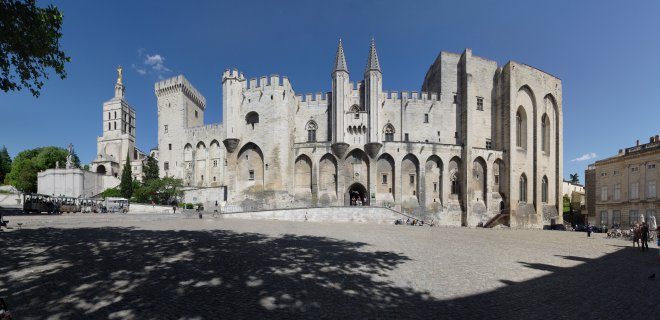
Nimes Arena
The Roman amphitheater in Nîmes is a highlight. It was built around 110 AD and is still standing today. Still in use.
The size is amazing. 130 meters wide. Length is 110 meters. Height 21 meters. It can hold 24,000 spectators. That’s capacity. Back then and now.
This building is a perfect example of Roman engineering. Concrete, stone, arch. It survived because it was built right.
But take a closer look. This is not a museum piece. It is still alive.
Concerts are held here. There are also dramatic works. You can sit on stone chairs and watch the show under the sun. Or it could be a rock band playing under the lights. History never fades. It strengthens.
“Kusursuz Roma mimarisinin ürünü olan amfitiyatro tarzındaki bina halen kullanıma açıktır.”
The Nîmes Arena is more than just a ruin. This is the venue. stage. Proof of durability.
If you want to trace the Roman influence on France, this is your anchor point. In Nimes.
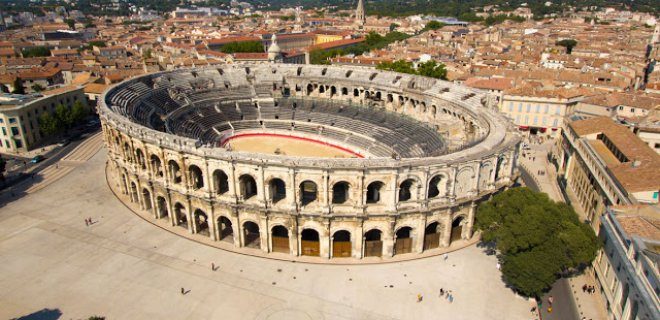
Verdon Gorge: Visit the “Grand Canyon of Europe” in Provence
Deep in South-Eastern France, the Verdon River produces an indescribable geological masterpiece. Located in the heart of the Provence region, this valley stretches for 25 kilometers and is flanked on both sides by hundreds of meters high cliffs. The limestone walls change color dramatically as the sun shines on them, from pure white to deep ocher and finally to the vibrant turquoise of the pool.
This gorge is widely known as the most beautiful gorge in Europe, and its size and strength give it its name. While America’s Grand Canyon garners global headlines, Verdon offers a more intimate, lush, deep blue alternative. Attracting hundreds of thousands of tourists each year, it has transformed from a peaceful nature reserve to a hub for outdoor enthusiasts.
Why the Verdon River is a must-see
If you’re planning a trip to Provence, it would be a mistake to skip Verdon. The drive itself is part of the experience, winding through lavender fields and stone villages before the landscape suddenly drops away. But the real attraction is the water. The river creates amazingly clear natural swimming holes.
For many travelers, the first question is: How can I experience the canyon without getting lost or overwhelmed?
The answer lies in choosing your own pace. Driving along the D2209 offers panoramic views along the edge of the cliff. Or you can veer off the road into the water. This canyon is an excellent destination for kayaking and canoeing. Paddling through the Verdon Gorge, you can see the Rock Formations from the surface of the water, where their turquoise depth is most visible. This is more than just tourism. It’s an immersion.
Operations and logistics for the modern traveler
Adventure seekers flock here to do more than just enjoy the scenery. This valley is one of the best climbing spots in the region. The limestone cliffs have routes for all levels, from beginners to challenging multi-pitch ascents. Climbing here is both a physical challenge and a sheer vertical beauty surrounding you.
For those looking for a combination of excitement and relaxation, the Hiking Trails across the canyon floor and rim are perfect. The “Sentier des Douaniers” (Customs Officers’ Trail) is a popular choice, offering easily accessible routes and stunning payoff.
Practical tips for visiting the Verdon Canyon
- Timing is everything : Visit in late spring or early fall to avoid peak summer crowds. July and August bring heat, crowds and rising prices. Even in June and September, the water is still warm enough to swim.
- Getting There : The nearest major town is Castellane. From there, it’s about an hour’s drive to the canyon’s main attractions. Public transport is limited. If you want flexibility, we recommend renting a car.
- Fees : Entrance to the canyon is free. However, paid parking is standard at major attractions such as Moustiers-Sainte-Marie. Half-day guided kayaking trips cost 50-100 euros per person.
- What to bring : Sunscreen is non-negotiable. The rocks reflect the heat and there is almost no shade on the path. Wear sturdy shoes if you plan to
Where to stay in France: 5 recommended hotels
France is one of the few countries worth visiting at least once. Historical buildings and attractions continue to attract tourists. Recently, many tourists have flocked to France, so we have carefully selected 5 recommended hotels where you should definitely stay. Here are the best budget hotels in France.
Palym
This centrally located hotel is very popular for its affordable price. The hotel is conveniently located 2 minutes from Grae de Lyon train station and close to tourist attractions.
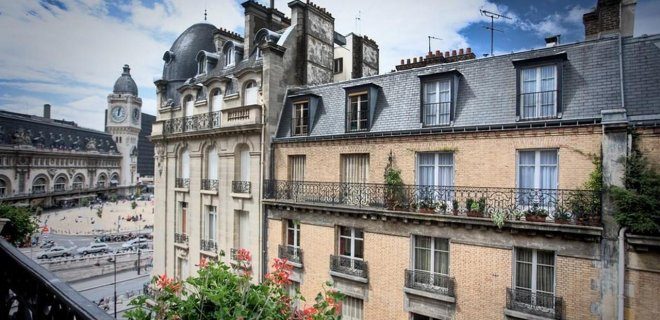
Accommodation: Moxy Hotel Bastille, Paris
If you’re looking for a base where you can get in some serious action without breaking the bank, the Moxy Paris Bastille is a great choice. Located in the heart of Paris at 4 rue Emile Gilbert in the 12th arrondissement. Here you are not hidden away in some distant suburb.
The location is very practical. The hotel is just 500 meters from Place de la Bastille. A 5-minute walk will take you to one of the city’s most famous squares. Several metro stations are within walking distance. Moving around the city is no longer work, but a relaxing walk.
The rooms are modern and functional. It is fully air-conditioned, so you don’t have to worry about summer in Paris. Each room has its own bathroom, offering a level of privacy not found in some older European hotels. Free Wi-Fi is included in the price, so you can plan your next day’s trip without having to look for a cafe.
Price and value
Prices per night vary from 84 to 121 euros. This price category is competitive for the center of Paris. It’s not the cheapest option in town, but it’s a far cry from the luxury hotels that charge triple-digit fees for similar amenities. This rate is affordable for travelers who prioritize location and modern amenities over luxurious lobbies.
Why does it stand out?
Moxy’s target audience is design-conscious young people. The atmosphere is lively. This is not a quiet, stuffy boutique hotel. If you want to be close to nightlife, dining and history, this is the place. The Bastille area itself is lively. You can reach the nearby Marais area from the other side of the river.
“If you want to be in the city center without worrying about the prices of central Paris, this hotel is definitely one of the few places worth visiting.”
Travel logistics
When making a reservation, remember that this is a modern chain hotel. You can expect stylish interior design and efficient service. While it’s easy to find addresses using GPS, street names in Paris can be confusing if you’re traveling from a major train station like Gare de Lyon. It’s about a 15-20 minute walk from there. Or take the subway.
Prices vary depending on the season from 84 to 121 euros. During the summer holidays and long holidays, prices increase. It is wise to book in advance. We would like to reserve a room with the listed amenities (especially air conditioning) before they are sold out.
Is this the most luxurious accommodation in Paris? No. Convenient, clean and in a good location? Yes. For many travelers, this is the only metric that matters. You sleep. You shower. You log into Wi-Fi. Then go out and see the city. That is a trade-off worth making.
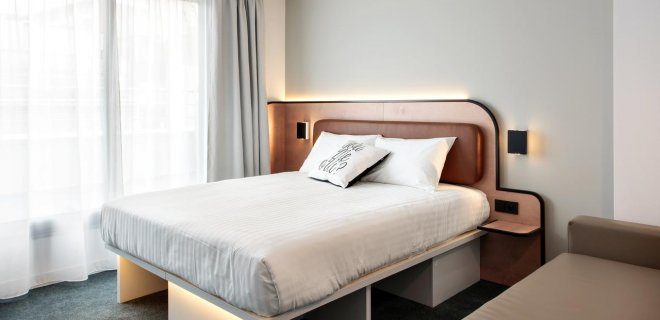
If you’re looking for history over the sun, skip the beach. Hotel La Villa Nice Promenade is the place to be for travelers more interested in limestone facades and medieval alleyways than swimming in the Mediterranean. It’s not just about getting to the beach. It’s about anchoring yourself in a spot It’s about attaching yourself to a place in the past that feels within your reach.
This is a hotel that prioritizes comfort without trying too hard. The reception is open 24 hours a day. This is more important than you think when your plane lands at an odd time or you’ve just recovered from a long day of wandering. Each room has its own personality. These are not one-size-fits-all boxes. They feel lived-in and add to the charm of living in a richly patterned city like Nice.
If you’re looking for a hotel based on location and ambiance, this is the perfect choice for those looking for a base that respects the city’s architecture.
Practical details about reservations
Here’s what you need to know before committing.
Location: 34, 36 Rue St Sabin, 75011 Paris, France
Wait. The address is Paris. The text says Nice.
Let’s take a closer look. The name is Hotel La Villa Nice Promenade. The listed address is in the 11th arrondissement of Paris. This is a data error in the source material. The name suggests Nice. The address suggests Paris.
If you book this property, double-check the location. The phone number +33 1 43 38 58 08 is a Paris landline (code 01). Nice numbers start with 04.
Price range: €103 – €182
Since the address is in Paris, prices in the center of Paris were quite low in 2011 (the source is probably from that time). The price has changed. Now, for this price, you might get a smaller room in a more remote area of central Paris, or a decent budget option in Nice.
Verdict:
According to the description, it is for people who want to see historic structures. There are many in Nice. Vieille Ville (Old Town) is right there. But if the address is correct, you are in Paris.
Don’t make reservations blindly.
Verify the hotel’s actual location. If it really is in Nice, the prices are competitive for mid-range accommodation and there is 24/7 support. If it’s the Paris address, you’re getting a different city entirely.
One question remains. Do you trust the name or address?
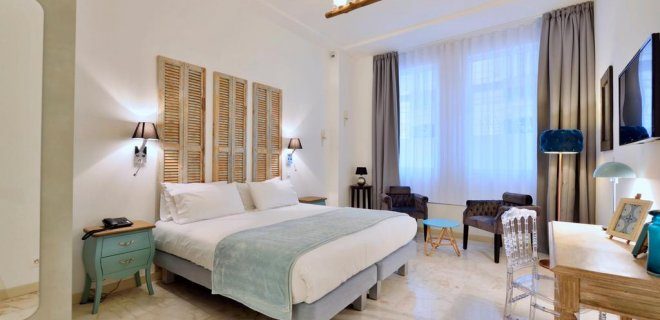
Located at 11 Rue Saint-Philippe in the 8th arrondissement, this place is the closest to the luxurious heart of Paris without the traffic jams of the Champs-Elysées. When you’re looking for an Hotel du Collectionneur Arc de Triomphe, you’re not just booking a room. You buy the vibe.
Prices range from €98 to €168, which seems surprisingly reasonable for one of the best properties in Paris. But don’t be fooled by the entry-level price. This place is known for its quality. The rooms are spacious. The rooms have air conditioning. With free Wi-Fi and a private bathroom, the rooms feel like a sanctuary after a day exploring the Louvre.
Why did you choose this hotel?
#### Landscape and facilities
The best feature is the terrace. If you can see the view from your room, you’re not just sleeping. You are looking at Paris. The light changes throughout the day. You see the city come to life.
The on-site spa area invites you to relax and unwind. Steam rooms. Saunas. A place to melt away the fatigue of navigating the Metro. The hotel also has a fitness center, which is perfect if you want to maintain your exercise routine while abroad.
“Rooms are spacious, air-conditioned and have a sanctuary-like feel with free Wi-Fi and private bathrooms.”
####Location benefits
Rue Saint-Philippe is quiet. This is a residential area. It is very stylish. You are close to the Arc de Triomphe, obviously. However, if you want to walk away from the crowds, the Bois de Boulogne area is also a great option. The address in the source data is 11 Rue Saint-Philippe, 06000 Nice, France, but this is a typo. This is Paris. District 8.
***#### Is it worth the price? **
For €98, you get a solid base. Maybe you could get a better view or a bigger room for 168 euros. Considering the location and the reputation of the brand, it’s a competitive range. You aren’t paying for the location alone. You pay for service, space and peace of mind.
Book early. These rooms are not empty for a long time. Especially if you want a patio view. The sunsets there are legendary.
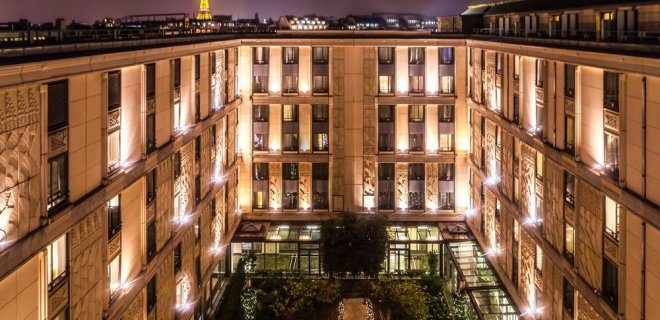
Novotel Paris Center Bercy: a practical base for events and train travel
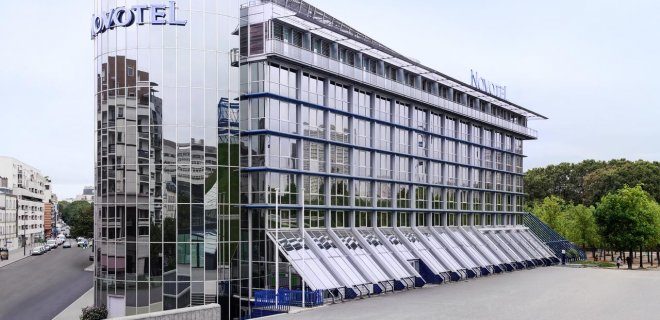
If you’re looking for a hotel that combines connectivity with a certain community feel, look no further than the Novotel Paris Center Bercy, located in the heart of the 12th arrondissement. Its proximity to Bercy metro station simplifies the logistics of urban transport without having to travel from distant suburbs. This location is even more strategic for travelers whose itinerary includes major events. The hotel is directly opposite the AccorHotels Arena (formerly Bercy Arena). If you have tickets to a concert or sporting event here, you can walk back to your room without worrying about late-night taxi fares or subway crowds.
Nearby public transport connections are not limited to the metro. The hotel is just a 650-metre walk from Gare de Lyon, one of Paris’ six main train stations. This is an important detail for travelers planning day trips to Burgundy, the Rhone Valley, or even high-speed trains to Lyon or Marseille. Leave your luggage at the hotel and take a leisurely walk to the station, and be on your way within ten minutes. Although this is a great location logistically, many travelers overlook this and instead choose the very central 1st or 4th arrondissements, where prices are higher and space is tighter.
The aesthetics of the interior are usually modern and sophisticated. The stylish rooms have flat-screen TVs, private bathrooms and reliable free Wi-Fi that the modern traveler cannot afford to ignore. The hotel’s restaurant serves French cuisine and is suitable for dinner if you don’t want to find a bistro after a long day of sightseeing. This is not a boutique experience with quaint charm. A reliable and well-managed international hotel chain.
This particular location appeals to couples more than large families or solo travelers. Probably because the Bercy area has a slightly quieter and more residential atmosphere compared to the tourist centers. The price range reflects this ranking. You pay €320–€789 per night. This is not a “budget” trip, but it is competitive for Paris, especially considering the space and direct access to metro and train stations.
Is it worth paying the premium compared to cheaper options near Gare du Nord? Yes, if you appreciate clean, simple rooms and a location that puts you on the edge of the action rather than being surrounded by tourist hordes. If you want to stay within walking distance of the Louvre or Notre Dame, this is not the place for you. But for those who appreciate efficient transport and a slightly more relaxed atmosphere, the Novotel Paris Center Bercy hotel offers a solid base for your trip to Paris.
The area around Bercy is also famous for its former wine warehouses, now converted into restaurants and shops. You can walk along the canals and visit the old stone buildings where wine was once stored for the city’s use. It is a peaceful and scenic route that is different from the hustle and bustle of the city center. A short walk away is the Parc de Bercy, a large green space where you can sit on the grass and experience a rare peace in Paris.
We recommend booking as soon as possible, especially if:
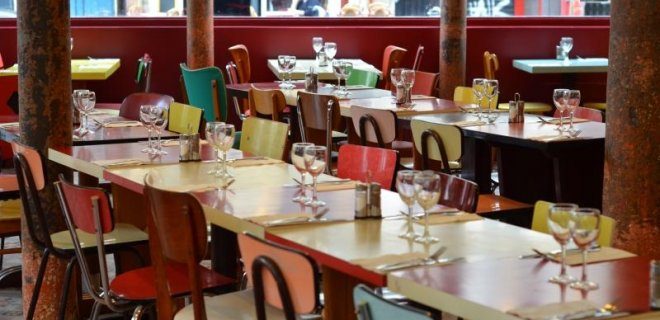
Chez Gladines
The address is 85 Rue de Bercy. 12th arrondissement of Paris. Phone it up if you’re lost at +33 1 43 42 30 00. The prices are not cheap. The full experience costs 168-254 euros per person. It’s steep. But so is most of Paris.
There are restaurants, bars and cafes almost everywhere in France. The history of cooking goes back a long way. It’s not a question of whether you can eat well, but where you can eat it. Chez Gladines is at the heart of this search.
This is not French in the traditional sense. Not really. The menu has strong influences from the Basque Country. Think smoked paprika, grilled meats and hearty stews that stick to your ribs. Tourists flood in for it. The atmosphere was loud, warm and a bit chaotic. it works.
The food is prepared with great precision and suggests the kitchen takes itself seriously. You’re not just getting “food”. You’re getting a specific interpretation of Basque cuisine in the heart of Paris. Is it worth the price? A special night, yes. For a daily meal, probably not.
Location is important. Bercy is located near vineyard park and old wine cellars. There are fewer tourist traps here than in the Eiffel Tower area. Breathing becomes easier. Getting lost in the crowd is even more difficult.
You order. You eat. You leave full. that’s it.
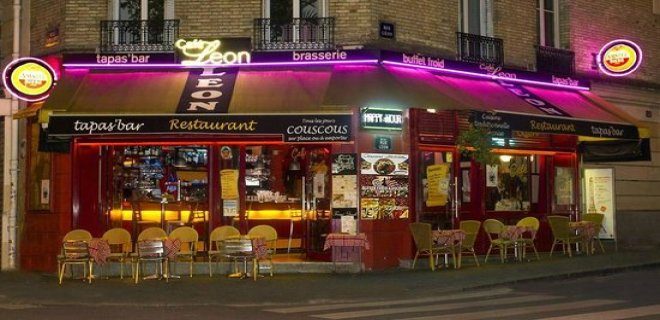
Chez Leon: Mussels, Mayhem and The 13th Arrondissement
If you’re looking for Parisian seafood, Chez Leon is the place to be. Located at 30 Rue des cinq Diamants in 75013 Paris, this restaurant offers not only food but serves an atmosphere.
There are hundreds of seafood options on the menu. But let’s be honest. You are here for one purpose only. tencere midyesi (pot mussels). This is their signature dish. There is a good reason why the reputation comes before the restaurant. Steam rises. The shells clatter. The energy is loud, chaotic and completely welcome.
The interior fits the atmosphere. This is not subtle. It’s not quiet. It’s designed to get you excited about what’s on your plate. Our staff handles their work with professionalism and handles rush hours even during busy times. You go in and sit down. You are fed.
“The environment, interior design, professional staff and seafood will certainly impress you.”
This is no place for candlelight whispering. Here you can eat with your hands, drizzle with sauce or enjoy plenty of fresh seafood.
Logistics for the traveler:
- Address: 30 Rue des cinq Diamants, 75013 Paris, France.
- Contact: +33 6 67 31 96 46. For larger groups, call in advance.
- Atmosphere: High energy. noisy. busy.
- ** Must-order:** Pot mussels. They are what people come here for.
The 13th Arrondissement has many options. This one stands out because it commits to the chaos. We’re not trying to be a bistro. Our goal is to become a specialty store in the fish and shellfish industry. And in that commitment, it succeeds. The mussels are the anchor. The rest of the menu is just support.
ABQ Paris: a neighborhood gem on Rue Legendre
It’s rare to find a bar in Paris that actually wants you to stay. ABQ Paris (32 Rue Legendre) is one of those rare places. This place in the 17th arrondissement feels more like a living room than a tourist trap.
The staff here do more than just take orders. they engage. ABQ’s bartenders and servers are known for their genuine warmth. It doesn’t feel like you’re a transaction. You will feel like a guest. They go out of their way to ensure a pleasant experience. This attention to detail many visitors find themselves returning.
If you’re looking for a place with character, go here. Not in the center of action on the Champs Elysées. But that’s part of the charm. You can experience local life. The address is 32 Rue Legendre, 75017 Paris. If you have any questions, please contact us at +33 1 42 27 06 82.
“It is definitely a place you will want to visit again.”
It’s not just about the drinks. It’s about the atmosphere. The people behind the bar make it work. They do their best to satisfy all their visitors. That effort shows. It creates an atmosphere that is difficult to recreate.
Why do so many people recommend it? Because consistency is key. ABQ brings a connection to a city that can feel impersonal. You leave feeling better than when you arrived. This is a high standard for any establishment. Here, it is met regularly.
Avoid crowded main streets in the evenings. Walk into the 17th and look for Rue Legendre. Knock on the door of ABQ. Stay for a drink. Stay and talk. You might just find your new favorite place in Paris.
Esperantie Kitchen & Bar
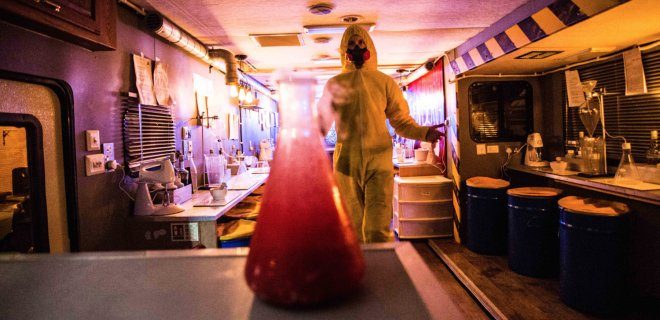
In Paris, it is very difficult to find a drink that is more than just a gin and tonic without spending extra money. Esperantie Kitchen & Bar is located at 59 boulevard Macdonald, in the heart of the 19th Arrondissement. This is not a tourist trap, which is one reason why the prices are a little higher than usual. You pay the price for novelty.
The menu is a challenge for the indecisive. They also serve alcoholic drinks which you likely haven’t tried before. If you stick to regular draft beer, you might feel cheated. But if you want to expand your palate, this is the place.
The atmosphere completely changes depending on when you enter. It can feel surprisingly chaotic. The noise level spikes. The crowd gets loud. This is not the romantic candlelight dinner depicted on postcards. It’s raw. It’s busy. It’s real.
So why go?
if you genuinely like drinking alcohol, this place caters to your enthusiasm. This is not for the faint of heart or those on a tight budget. But for those who want a different experience than the sanitized bars of the city of lights, it’s worth a visit.
Expect to pay a bit more. Expect the weeknights to be loud on weekday evenings. But expect to find something unique in the glass.
Call ahead if possible. The phone number is +33 6 35 33 35 06. Or show up and brave the noise. If you’re in the area, it’s a tangible part of Paris that doesn’t try too hard to impress you. It just serves its drinks. This is enough for some people.
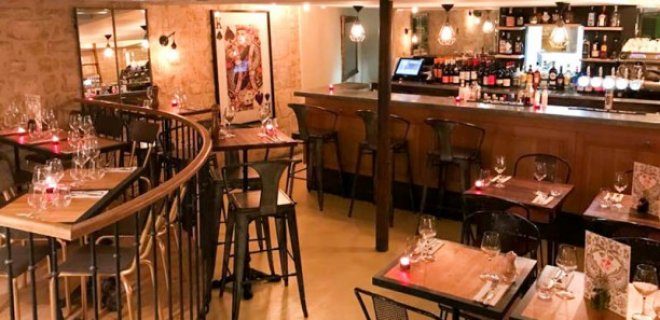
From Turkey to France
Logistics starts with geography. If you are in Turkey, you need to go to Istanbul or Ankara. This is a non-negotiable first step. From there the sky opens.
Airplanes operate daily. There are two options: Direct or Connect. The list of destinations is extensive. You can land in Bordeaux, Nice, Nantes, Marseille, Lyon or the capital Paris.
Paris is the base for most travelers. The airport code is CDG or ORY. However, if you’re looking for a certain atmosphere, skip the capital. Head straight to Marseille and breathe in the salty Mediterranean air. If you want to experience the splendor of the Cote d’Azur, fly to Nice. Lyon is a city of gastronomy. Bordeaux is wine. Nantes is a quieter and more environmentally friendly option.
Which would you choose? It depends on where you plan to go after landing. Flights are frequent. you can trust them. The biggest challenge is timing. Make your reservation in time. Prices skyrocket in July and August. During the shoulder season (May or September), prices are usually lower and it is less crowded.
Practical details
Reference address (if visiting a specific office): 74 Quai des Orfevres, 75001 Paris, France. Please note that this is the headquarters of the Paris Police Prefecture and not a tourist center. If you are looking for visa information or consular services, check the exact office before you travel.
Contact: +33 7 53 56 49 62. Please keep this number when dealing with private travel agencies or certain local travel agencies listed in travel guides. However, for general flight bookings, use major airlines or aggregators.
Traveling from Turkey to France is very easy. The infrastructure is mature. Connections are made every day. Multiple entry points allow for flexibility. Don’t think too much about routing. Just choose your destination and hop on the plane.
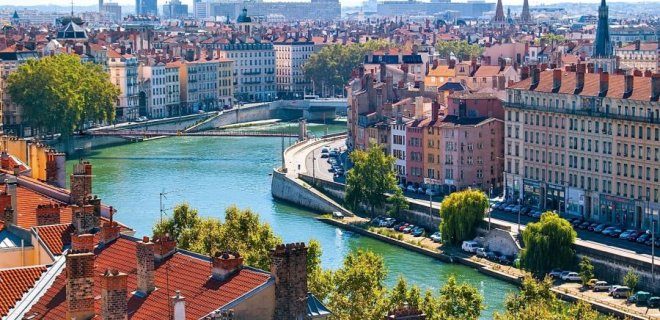
When is the best time to visit France?
Timing makes all the difference. Or it destroyed it.
The French Mediterranean coast changes during the summer. The voice grew louder. It’s crowded. The weather is getting warmer. In the Pyrenees and the Alps in winter, the opposite is true. They live on snow, skiers and energy.
If you hate overheating, forget July. Forget August. The sweetest part? January and February. This is a great month to visit France if you want to avoid the crowds. The air is fresh. The lines are short. Prices are going down.
Outside the south, rain is a constant companion. But that doesn’t mean you should stay inside. The rhythm is different in May and October. The crowd gradually dispersed. The light turns golden yellow. You can see France without the tourist filter.
Summer is the perfect time to party on the Cote d’Azur. Winter is perfect skiing in Chamonix. But for travelers looking for clarity, clarity comes in quieter times. Why fight the trend when you can go with it?
You won’t see Buzz like this in January. You will find space. Space to breathe. It’s worth watching when you have time.
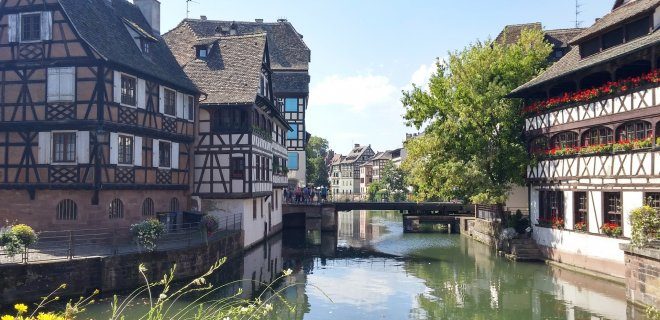
Visit France
Paris and other French cities are full of tourists. History is everywhere. Easy to move. Use the subway. Buses also run. The tram is convenient. Taxis filled the gap. Locals prefer the metro. This is the most popular way to travel. The system is well designed. It’s easy to go anywhere. Both citizens and tourists find it easy.
Feel the essence of French festival culture
France doesn’t just host festivals. It lives for them. The calendar is full of celebrations from religion and wine to art, movies, music and even chocolate. If you plan to visit these cultural peaks, it is very important to keep track of the time. We’ve tracked must-do activities to help you plan a realistic itinerary. Here’s a look at when and where you can find magic.
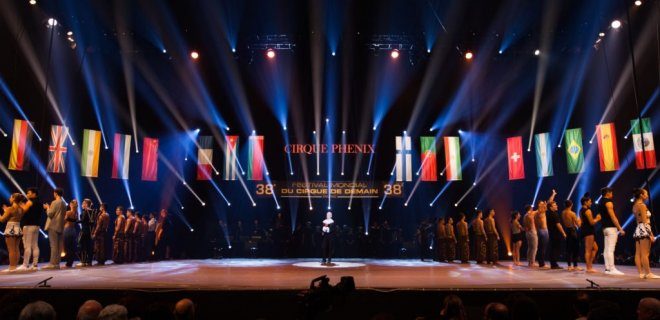
January’s circus performance: Cirque de Demain
If you can stand the winter cold, you can enjoy the unique spectacle of the Cirque de Demain Music Festival at the end of January. This is not your grandfather’s circus. In this competition, top performers from the world’s best circus schools compete for the title of “Circus Artist of Tomorrow”.
Watch magicians, clowns and acrobats push the limits of their magic. The atmosphere is electric and focused more on raw talent and high-stakes performances than traditional tents. If you want to see some fresh, top talent before the spring travel rush, this is a great way to start the new year.
A nice carnival: flowers that stimulate the senses
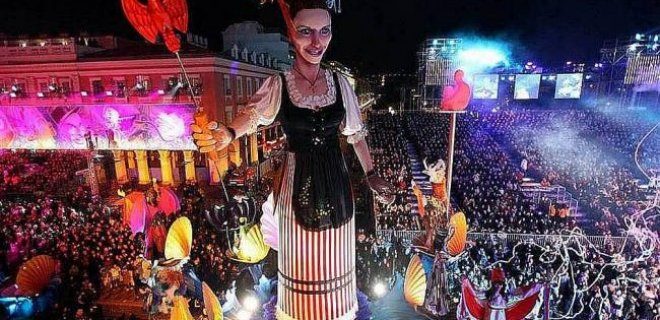
Nice Carnival is more than just a local celebration. This is one of the biggest events in the world and takes place over 15 days in mid-February. If you are wondering how to plan a trip in the region, mark the second half of the month on your calendar. The air is full of hype. The schedule is packed. But what about the actual scene? It happens during the Bataille des Fleurs (Battle of Flowers).
Think of it as a flower war zone. But there is more music and fewer casualties.
Thousands of spectators on the streets. They aren’t just watching. They are waiting. Then, the floats appear. This huge and complex machine took the team several months to build. And then the barrage began. 100,000 flowers were thrown into the crowd. Roses. Carnations. Chrysanthemums. A few hours later, rainbow petals are splattered all over your face, your shoes, and your hotel room.
It’s chaotic. It’s vibrant. That’s why people come from all over the world just to stand on the Promenade des Anglais and receive flower petals.
Dancers and musicians join the fray, too. Performers from around the world perform everything from traditional folk dance to high-octane street performances. The energy shifts from daytime flower fights to nighttime parades with sparkling lights and fireworks.
How to Survive in a Crowd:
– Book accommodation as soon as possible. Nice fills up. Fast.
– Bring a poncho or waterproof jacket. It’s not just flowers. Sometimes it rains.
– Arrive early to see the best viewing spots on the main route.
– Check the exact dates of the year you are visiting, as the 15-day period changes slightly according to the lunar calendar.
Payment? Admission to most parade grounds is free. But what about hotels? They jack up prices. You pay for the privilege of being there. Is it worth it? For most people, it is. The memory of standing in a sea of people, laughing as a bucketful of petals rained down will stay with you. This is more than just a festival. It’s a sensory overload that will leave you breathless.
Why are they throwing flowers? Mainly traditional. Its origins date back to the 19th century, when locals started throwing oranges and flowers to cheer up the crowd. It has evolved. Now this is petal distribution on an industrial scale. The logistics alone are amazing. Trucks loaded with fresh blooms. Teams of workers timing the release to maximize the “wow” factor. It’s engineering disguised as fun.
What if I miss the main parade? Don’t panic. There are also small events. Night parades with glowing lights A children’s parade is organized during the day. The city is full of energy for two weeks. You don’t need to capture every second. Just select a date. Show up. Let the flowers hit you.
The citrus wonders of Menton
By the end of February, the atmosphere in Menton had changed. It feels lighter. It has a more pungent smell. At this time of year, the Menton Lemon Festival takes over the Côte d’Azur. The city is not only decorated for this event. It consumes it.
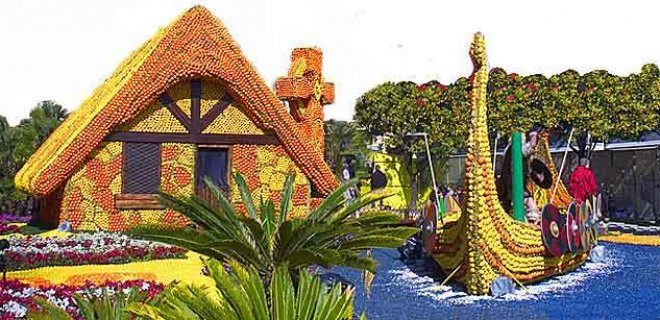
More than 145 tons of citrus fruits are harvested from the fields. It’s not plastic. Not papier-mâché. real fruit. The sheer volume is hard to wrap your head around until you see the scale.
Structure of the festival
Artists and local volunteers spent months sculpting. They create gigantic sculptures and intricate works of art using only lemons and oranges. These aren’t small knick-knacks. We’re talking life-size figures, towering towers, and intricate murals made entirely of citrus peel and pulp. Bright yellows and oranges contrast with the blue of the Mediterranean, creating a visual contrast that photographs never quite capture.
Street Entertainment
Static displays are only half the story. The streets are full of performances.
- Dancers move through the crowd.
- Acrobats perform daring stunts on a makeshift stages.
- Musicians fill the air with sounds that echo off the pastel colored facades.
This is sensory overload at its finest. As you walk from one installation to another, stop to watch a juggler balance a pile of fruit or listen to a brass band near the Lemon Dragon statue.
When to Go
The festival takes place during the last two weeks of February. If you miss this period, you will have to wait a whole year. The weather is usually mild, but unpredictable. Pack layers. The sun can be bright, but the coastal wind bites.
Why it’s worth visiting
Most festivals rely on fireworks and light shows. This one relies on the palette of nature itself. It is temporary, ephemeral and completely unique. You’re not just looking at art. You’re standing inside it.
The logistics are simple. Menton is small. You can walk everywhere. But crowds? They are dense. Arrive early to see Unobstructed views of the main installations. Enjoy the atmosphere when the lights come on and the sculptures glow against the night sky.
It’s special to see something so delicate – fresh fruit – transformed into something monumental. It reminds you that beauty doesn’t have to last forever to make an impact.
Just don’t try to eat the decorative parts.
How to plan your trip to the Berck-sur-Mer Kite Festival
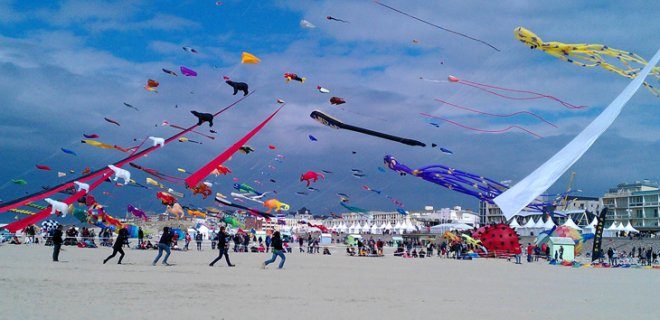
There is no better way to spend an afternoon than on the vast sandy beaches of Berck-sur-Mer. This small coastal village in northern France has become a magnet for kite enthusiasts from all over the world, drawing people from all over the map. For almost 20 years, the Berck-sur-Mer Kite Festival has turned a wide stretch of beach into a colorful and dynamic canvas.
The logistics are simple. Just show up. The event is free, so you can stay as long as the wind blows. You can see kites of all shapes and sizes. Some of them are huge and require a team to launch. There are also delicate handheld pieces that dance in the wind. Visitors can spend hours flying their own kites, watching the sky fill with vibrant patterns. It’s pure, unadulterated fun.
“Time flies when you watch thousands of kites dance across the horizon.”
Why go? Because this is one of those rare events that requires no tickets, no itinerary, and no pretense. Just wind, sand and imagination. If you forget your kite, you can buy it at a local kiosk. Or you can bring your own. The atmosphere is relaxed, family-oriented and very inviting.
The best time to visit is during the festival season, usually in summer when the coastal winds are steady. Check the official schedule for the official release times and workshops. If you are planning a trip, combine it with accommodation in the nearby dunes. The landscapes are rugged and beautiful. You can walk for miles without seeing another car.
Is it worth the detour? Absolutely. This is more than just a festival. It’s a celebration of flight. Leave with sand in your shoes and picturesque memories of sky.
Paris July 14: The real deal beyond the fireworks
July 14th is Bastille Day. Action begins in Paris on July 13th, followed by the main event on the 14th. This was the day the Bastille was stormed. This event triggered the collapse of the monarchy. This holiday is celebrated all over France. But Paris got it first.
Most tourists know about fireworks. They don’t understand history. The storming of the Bastille wasn’t just the start of the party.
It was a political explosion.
As a result of these events, the monarchy ended. The revolution starts there.
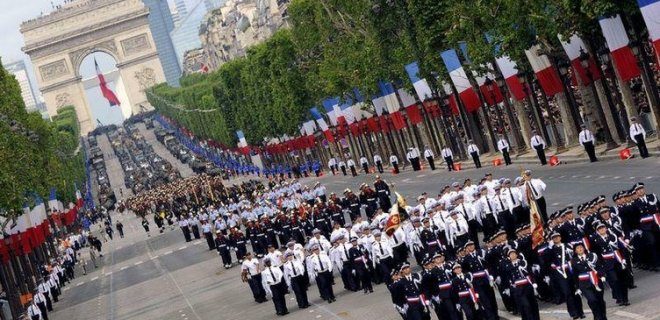
If you are planning a trip, you need to understand the logistics. The city gets crowded. It’s very crowded. The main celebrations happen on the Champs-Élysées. The military parade is huge.
It is the oldest in the world. Get there early or watch from the rooftop bar. Rooftops cost more. But you can see the scenery.
The fireworks were launched from the Eiffel Tower. They start late. At 23:00 the sky turns purple and gold. It’s noisy. It is very bright. It’s worth waking up for the next day.
Key Points: The excitement begins on July 13th, but the main parade and fireworks display takes place on July 14th. Book accommodation several months in advance. Prices have doubled or tripled this week.
Why is this important to your travel plan? Because the city shuts down. Many small shops are closed. Metro runs on a holiday schedule. You need to plan for closures. Don’t expect a normal day.
The Bastille itself is gone. Now it’s just a square. Place de la Bastille. This is a great place for people to gather. But not for history buffs. The site was destroyed a long time ago. Look for the July Column instead. It stands in the middle of the square. Commemorates the revolution.
Where to stay? Near the Seine is nice. But far from the action is cheaper. And it’s quiet. Take the metro back. It is very fast. Be careful not to get caught in the crowd at the station after the fireworks display.
This is not just a French holiday. This is a question of national identity. Parades are held in every city. Every city has a ball. But the epicenter is Paris. The energy here is different. Stronger. More chaotic.
Don’t miss the flight display. Fly over the city. The Patrouille de France jets. They leave contrails. blue, white, red. the color of the flag. It happens during the day. Near the Eiffel Tower. Viewing is free. Find just the right angle.
Is it worth the effort? Yes. But that’s only if you’re ready to face the crowd. Please bring water. Wear comfortable shoes. The pavement is hot. The crowds are thick.
The party ended late. or not. People stay up late. Drinking wine. Singing songs. This is a real street party. It’s not a stage show. Join in if you can. Even if you don’t speak French. everyone is happy.
Tomorrow is a national holiday. Banks are closed. Government offices are closed. Plan accordingly. On the afternoon of July 14, you will find very few places open. Lunch is the last big meal. Eat well. Then watch the parade.
A military band is playing. Marches down the avenue. Troops pass. It’s precise
When the sun goes down: the rhythm of the late night in France
Forget everything you know about European nightlife. If you think 10pm is party time in France, you’re too early. There is more to this country than nightlife. Follow different clocks. In Paris, Nice, Marseille and Lyon, the energy increases after midnight. Even at midnight, the streets are still quiet, the clubs are empty and the bars are just warming up. This doesn’t mean your schedule is flawed. This is rhythm.
France is late to start, but it stays up late. The nightlife here is lively, colorful and endless. But it didn’t happen overnight. It begins with a sip.
The evening starts at the bar. Especially bistro and café. You sit there for hours. You’ll talk You can get wine cheaper than your morning coffee at home. This is the pre-game. Nobody is in a hurry. The transition from dinner to dancing is slow, thoughtful and deeply sociable. No one rushes from the table to the dance floor. You see them lingering, debating, laughing and slowly falling under the influence of alcohol.
Which Cities Own the Night?
Not all cities in France have a lively nightlife. If you’re looking for ‘French nightlife’, focus your trip on the top four nightlife spots.
Paris is an obvious choice, but don’t expect a typical “Parisian nightclub”. The city is fragmented. Le Marais is gay-friendly and pulsating. Pigalle is gritty and rock ‘n’ roll. The Saint-Germain-des-Prés area is trendy and expensive. Each community has a different feel, different gate policy, and different crowd. You have to know where you are going.
Nice is located on the French Riviera and offers a more relaxed but equally lively landscape. Imagine a beach club that turns into a dance club after sunset. The air is warmer. The volume of the music increases. The audience is international. It’s less about underground techno and more about glamor and sea breeze.
Marseille brings the raw energy of the Mediterranean. The old port (Vieux Port ) is lined with bars where the locals hang out. Nightlife here is less polished, more authentic. You can hear many languages. Feel the warmth of the south. It’s chaotic. This is very interesting. That’s true.
Lyon is a sleeping giant. It has a large student population and a thriving art scene. Halles Paul Bocuse might be where you want to go for a gastronomic experience, but the real action happens in the Quartier des Terreaux and Vieux Lyon areas. The clubs here have a small, intimate feel and often focus on electronic music and jazz. It’s a city that party’s hard, but it doesn’t always make international headlines.
The Logistics of a Night Out
Going out in France requires a strategy. You cannot wing it.
Door Policies: Nightclubs in big cities, especially Paris, can be selective. Dress appropriately. Look like you belong. Sneakers are often looked down upon in upscale venues. Jeans and a clean shirt are safe. A suit is better. Women can wear almost anything, but elegance is always appreciated.
Cover Charges: Expected to be paid. Entrance fees vary widely



If you’re following the city in northern France, you’ve probably reached the finish line. Lille. Even though this is the end of the route, it never feels like a dead end. Vice versa. The city is vibrant and very different from the sunny south or the historic capital. It’s rough, artistic and deeply connected to its Flemish roots. For travelers planning a trip, Lille has a special charm that is often overlooked in Paris and Lyon. But if you want to see real French city life, this is the place to go.
Why Lille Stands Out
Lille is more than just a French city. This is a cultural crossroads. Historically, it has changed hands several times between France and the Netherlands, and its heritage is woven into its masonry, cuisine and even the local dialect. The architecture is a combination of Flemish and Art Nouveau style. Its peaked roof, intricate brickwork and large squares make it more Belgian than Parisian.
The city has experienced dramatic changes in the last 20 years. Once considered a remnant of the Industrial Revolution, it is now a hub for students, artists and tech workers. Vieux Lille, the heart of the old town, is a pedestrian street. Car-free zones are easy to navigate. The atmosphere is lively, especially at night.
Highlights of Lille
Start at Place du General de Gaulle. This is the city center. The Palais des Beaux-Arts is located on the other side of the square. One of the largest museums in France, it has everything from Flemish masters to modern installations. If you have a passion for art, don’t pass it up. The building itself is a masterpiece of 19th century architecture.
Walk east to the Grand Place. This is the historic center. Lille Town Hall (Hôtel de Ville) is an example of Flemish Renaissance architecture. Its facade is covered with statues and intricate decorations. There are cafes and shops around the square. A great place for people-watch.
If you want a different atmosphere, go to Vieux Lille. Narrow streets are lined with boutiques, bakeries and cozy restaurants. The architectural style is uniform and beautiful. A brick building with tall windows. The sound of footsteps echoed on the cobbled streets. This is a place you want to get lost in.
Don’t miss the Citadel. It was designed by the famous military engineer Vauba as a star-shaped fortress and is now a park. This is a large green space in the city center. Perfect for a picnic or a morning run. The view of the skyline from the castle walls is fantastic.
Food and drink: The Flemish connection
No experience in Lille is complete without trying some of the local specialties. There is plenty of food here. It was influenced by its northern neighbors.
- Carbonade Flamande : Beef stew with beer, onions and spices. It is rich, sweet and savory. It is best eaten with crusty bread.
- Welsh : Despite the name, it is not of Welsh origin. A dish made from fried bread topped with Welsh cheese sauce and topped with a fried egg. Simple but


