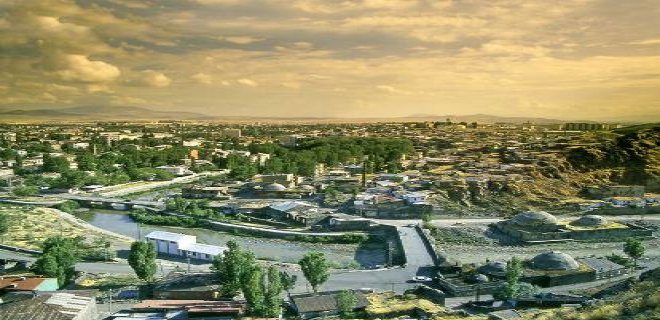
Kars is not just a point on the map. It is a place where history feels heavy, the air is thin and the silence has weight. This province is located in the heart of Eastern Anatolia and covers an area of approximately 2,347 square kilometers. It is rugged. It’s remote. And for the right traveller, it is one of Turkey’s most fascinating destinations.
About 129,458 people live in the city. It’s a number that varies with the seasons and the political winds of the border. If you are planning a trip, you need to know the codes. The traffic code is 36. The area code is 0474. Small details, sure, but they matter when you’re trying to book a train from Kağızman village or call a local guesthouse.
The climate is harsh. We’re talking continental. Winters are cruel. Summers are short and surprisingly warm. You pack for extremes. If you’re visiting between November and March, play with the elements.
The name that never changed
Here is something that baffles linguists and travelers alike. Kars is generally considered to be the oldest city in Turkey whose name has not changed. Not much. Not really. It has been Kars for a long time.
Where does it come from? Theories point to the Karakoyunlu, a Turkmen tribe, specifically the Karsak clan. Another theory links it to an ancient word for clothing made from camel hair. A piece of clothing? Or the people? Either way, the name stuck. It has survived empires, wars and changing borders.
Borders and bloodlines
You can’t talk about Kars without talking about who held it and when. The Ottomans took control under Kanuni Sultan Süleyman. It was in the 16th century. Life stabilized for a moment. Then the tide turned.
In 1918, during the collapse of the Ottoman Empire, Kars came under the control of Armenia. It was a chaotic time. Violence. Displacement. The lines on the map were moved, which did not reflect the people living there. Then came the Treaty of Kars. October 30, 1920, the city returned to Turkish control. This date is burned into the local identity. It’s not just history. It is the boundary line that holds.
Where to stay and what to see
Kars has six main districts: Akkaya, Digor, Kağızman, Sarıkamış, Selim and Susuz. Each has its own vibe.
Sarıkamış is the ski capital. If you travel in winter, go there. The slopes are steep. The snow is deep. Hotel prices go up, but the views of the surrounding peaks are worth the premium.
Digor is quieter. Agricultural. Known for its historic churches and monasteries such as Norashen Monastery. It is a place for those who want to see stone and silence.
Kağızman is known for its wetlands and bird watching. If you visit in the spring, bring binoculars. The
Local flavor: why Kars’ economy depends on dairy products and honeycomb
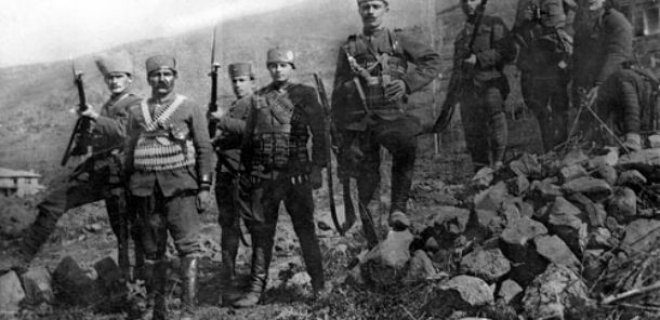
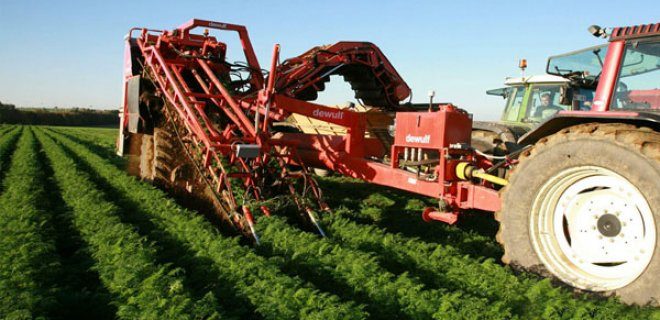
Forget the factory for now. What really sustains Kars’ are the soil and the cows. Agriculture and animal husbandry are the main support here. They are more than just hobbies. They are an important engine of the local economy. But if you follow the changes, you will see that the industry is waking up. Rising. This did not happen overnight, but is a steady and clear pace that shows the region diversifying beyond its pastoral roots.
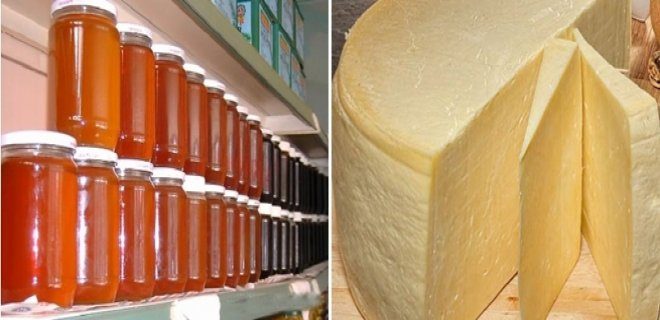
But the output of the factory does not really attract visitors. This comes from traditional sources. When people talk about the economic backbone of Kars, two topics dominate: Kars kaşarı and Kars honey. These are not just souvenirs. They are concrete consequences of the special nature of the country.
Take some honey. This is no ordinary sweet. This is Kars balı made from Caucasian honey bee (Apis mellifera caucasica ). That particular variety is important. Although they are known for being calm and productive, they also require a special environment. The surrounding highland flora plays a large role in the flavor profile. It cannot be replicated anywhere else.
“Kars kaşarı and honey are the core of Kars’ economic resources.”
What to buy and where to eat
When you walk through a local market or visit a cooperative, you look for products that define the identity of the area. The cheese Kars kaşarı is a semi-hard ripened cheese. It has a salty flavor and, when matured long enough, often develops a distinctive crystalline structure. Although it’s a classic, it’s a great way for travelers to get a taste of local ranches.
Honey tells a different story. Because it is collected from Caucasian bees native to the Caucasus region, it is typically darker in color and has a more complex floral aroma than regular clover or acacia honey. It’s thicker. Retains quality for longer.
Why is this important for your travels? Because these products are affordable and plentiful. You don’t have to pay extra for a curated “gourmet” experience in a high-end store. Buy directly from the supplier.
Practical tips for travelers:
- Buy in season: Honey production reaches its peak in late summer. If you visit in August or September, you can witness the extraction process firsthand. The air is filled with the sweet scent of pollen.
- Ask about the bees: When you buy honey, ask if it comes from Caucasian bee. This is a source of pride for the locals and ensures you get authentic, local produce.
- Cheese pairing: Kars kaşarı goes perfectly with black tea from the region. This is a local snack that is often eaten especially in the evenings.
- Market Day: Check your local weekly market. This is a great place to find fresh kasar or raw honey, often sold by honey producing families.
The economy is changing. The industry is developing quietly. But for now, Kars’ flavors are still defined by cheese matured in cool caves and honey from bees that thrive in the mountain air. It’s a slow, deliberate pace.
Hands behind the mat
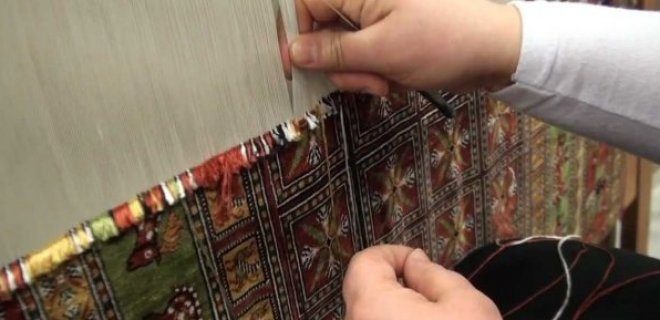
You can still smell the wool and warmth in Kars’ weaving workshops. It’s not a relic. Craftsmanship lives here. Women sit at vertical looms and pull threads with a rhythm that has not changed over the generations. This is not just a tradition. It’s economics.
The industry supports local families. It keeps the money in the community. When you buy a Kars rug, you’re not just buying decorations. You are supporting a livelihood. The texture of the pile speaks of patience. Geometric patterns are dense. They are designed to last for centuries.
The carpet industry in Kars is a vital engine of the economy. It provides families with direct income and supports regional trade.
Calendar full of events
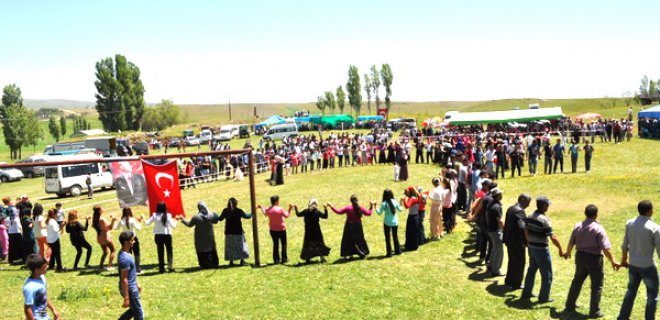
Kars does not sleep in the off-season. The city hosts several events that attract visitors from all over the world. You can plan your trip to catch these gatherings.
Kars Caucasus Culture Festival celebrates the common heritage of the region. It brings music and dance together. Then there is the Kashar Festival. This is a food affair. Kashar is a local cheese. The festival highlights the dairy culture of the region. It’s a chance to try something you can’t find anywhere else.
The International Kars Culture Days offer a more comprehensive picture. Art exhibitions. Theatricals. Poetry readings. The city opens its doors to international guests.
Film lovers should look for the International Golden Eagle Film Festival. The name refers to the area’s wildlife. The event presents films from Turkey and neighboring countries. It is a growing platform for independent directors.
The Murat Cobanoglu Lovers’ Festival is also held there. This event honors the famous Alevi bard. It’s a celebration of love and music. The atmosphere is intimate. The audience is dedicated.
For film lovers, the European Film Festival offers a completely different atmosphere. It shows movies from all over the continent. It’s a chance to see how stories spread. The festival is small, but curated. It respects the intelligence of the audience.
Plan your visit
You must check dates. All these festivals do not happen at once. Some are in spring. Some in summer. The weather in Kars is harsh. Snow stays late. Plan for cold nights even in July. Bring layers.
It makes sense to book your accommodation early. During the Golden Eagle Festival, hotels fill up. You want to be close to the action. Or quiet. Depending on your mood.
The logistics are simple. Kars has an airport. There are frequent flights from Istanbul. But they may be delayed. Patience is part of the experience. The roads are good. The landscape is dramatic. You can see the mountains. You will see plains. You will see history.
The carpets are worth the wait. The food is worth the drive. The music is worth the cold.
High travel costs
The first shock is not the goal. It’s a flight. Think you’re booking a ticket to paradise. You are actually booking a lottery ticket at a price that will make your bank account cry.
Direct flights to the Maldives or Bali? Sure. They exist. They are also priced as if they were carrying gold, not people. If you’re flying from the US or Europe, expect to pay $1,500 to $3,000 round trip if you want comfort. Comfort is the key word. You can find cheaper options. They include three connections, a stop at a place that smells like wet concrete, and a prayer that none of your suitcases survive.
But here is the question of budget airlines in Southeast Asia or budget airlines in Europe. They are awesome. Until they are gone. The base price is $50. Then add seat selection. Then luggage. Then priority boarding. Then a meal that costs more than lunch at home. Suddenly a $50 ticket costs $180. And you’re still sitting next to the person who snored the entire flight.
So how do you beat the system?
Flexibility. It’s the only currency that matters. If you can fly on a Tuesday, you will save money. If you can fly at 3 AM, you save more. If you’re willing to book two months in advance, you’re golden. Book last minute? You pay the “I forgot” tax.
And don’t forget hidden fees. In some countries, airport taxes are higher than the flight itself. Check the total before clicking pay. Always.
Where you can sleep without losing your mind
Hotels are expensive. Hostels are cheap. But what’s in between? A “boutique guest house” which is actually just a room with a fan and a view.
In countries like Vietnam or Portugal, you can find good rooms for $30 a night. In Thailand or Greece during the high season? The same room could cost $100. And there may be no hot water.
Why does this happen?
Supply and demand. Simply. When thousands of people decide to go to the same place at the same time, prices go up. If you travel in July or August, expect peak prices. If you travel in May or September, you are in “shoulder season”. The weather is still good. The crowds have disappeared. Prices drop by 30-40 percent.
This is the sweet spot. You get the atmosphere at no extra cost.
And think about the options. Airbnb? Great if you are traveling with a group. You share the costs. But check the cleaning fees. Sometimes the cleaning fee is higher than the price per night. It’s a trick. A common one. Read the reviews. Look for mentions of “cleanliness” and “accuracy”. Be careful if the host has 500 reviews but the most recent one is three years old.
Eat like a local (without going broke)
In many parts of the world, you can eat like a king for less than you would pay for a sandwich in New York.
Street food is your friend. It’s cheap. It’s genuine. It’s often safer than you think. Just watch where they cook it.