


Hamburg is more than just a city. This is a machine. Culture has always been created from water and as the driving force of trade. If you are planning a trip to Northern Europe, start here. It is the largest port in Germany. It is the seventh largest city in the European Union. There is a reason to call it the “gateway to the world”. The Hamburg origin of the name can also be traced back to this country.
This is a city of industry and media. It is the commercial center of northern Germany. Here, next to the Technical University, is Germany’s first private law school, the Bucerius Law School. But don’t let the steel and concrete fool you. Bricks have a soul. The canals has a history.
The world of miniature landscapes: commitment to design
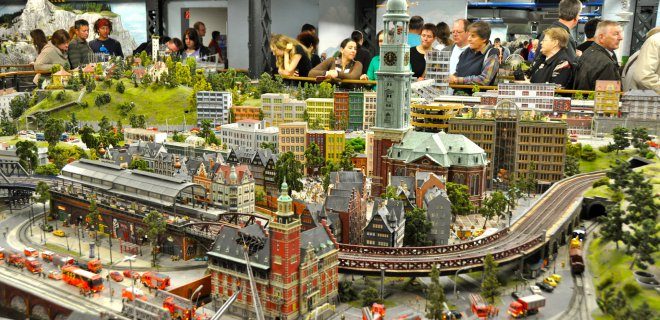
You must go to Miniatur Wunderland. This is not just a toy store. This was the pinnacle of German technical precision. Two brothers, Frederik and Gerrit Braun, turned their vision into reality. They have built highly detailed model train layouts that make you feel like you are looking at the real world.
The scale is obsessive. The number of vehicles is approximately 14,000. 228,000 trees. 930 trains. Everything is in perfect rhythm. This project started in 2000. Today, miniature versions of famous landmarks from around the world are on display. It is one of Hamburg’s most popular attractions. There are good reasons for this. You spend hours watching little people cross the bridge. It has a hypnotic effect.
Why Hamburg is important to your travel plan
Most travelers skip north. They go straight to Munich or Berlin. This is wrong. Hamburg offers something different. It’s less polished, grittier and more fun.
- Port: Very large. You can go on a cruise and see firsthand the enormity of global logistics.
- Music Scene: Hamburg is the birthplace of the Beatles. They played there when they were young. That energy still resonates in the club.
- Architecture: a mix of 19th century red brick warehouses and modern glass buildings. The Elbphilharmonie stands like a treasure against the sky.
Where to eat and stay
Came here not for a boring hotel breakfast. You’re here for the food. Hamburg has unique culinary qualities. Fresh seafood straight from the North Sea is on display. Enjoy traditional German cuisine while feeling local pride.
When it comes to accommodation, location is everything. Stay near Hafencity. It is new, stylish and close to the water. Or keep it old school. Book a hotel in the St. Georg area. It is central, dynamic and vital.
There is a wide variety of restaurants. You can sit in a historic cellar tavern and drink decades-old cask beer. You can also reserve a table with a view of the Elbe. The choice is yours. Overall, the quality is high.
History you can touch
The city experienced war, floods and economic collapse. This resilience can also be seen in the buildings. Speicherstadt (Speicherstadt)

The Alster river is a quiet powerhouse in northern Germany.
It flows on the right bank of the Elbe. Water is collected from several sources. Keep driving until you reach Hamburg. There it joins the river Elbe. The results are amazing.
The length of the river is 53 kilometers. It is the second most important waterway in the city.
The Alster transforms in the city centre. It spread to several lakes. The Inner Alster and Outer Alster form a green reflective barrier around the city centre.
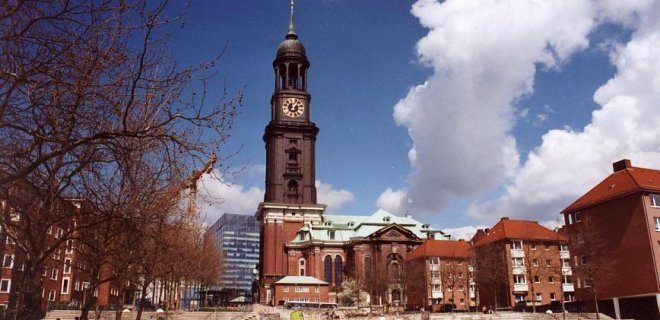
Nearby it is guarded by Aziz Michael Kilisesi (St. Michael’s Church). Its baroque dome dominates the skyline. You can watch the water flow as you walk along the river bank. It is very peaceful. It is precise.
The role of the Alster river in Hamburg’s landscape
Why is this important for tourists? Because the river sets the rhythm of the city.
Most tourists head to the Elbe River. They should look inland. The Alster area is home to local people. You find cafes with outdoor seating. Here you can rent bikes and ride paved trails.
The water quality is high. The parks surrounding the banks are maintained heavily. This is not a wild river. It is curated nature.
Tourism logistics
Getting there is easy. Take the metro to Jungfernstieg or Ballindamm stations. You will step out directly onto the promenade.
Summer offers, daylight hours are long. July and August are warm. If it’s cold enough, winter brings ice. The contrast between the gray sky and the white water is vivid.
Low costs. The walk is free. An hour’s boat ride costs around 15-20 euros. The view of St. Michael’s Church from the water is worth seeing.
What should I see?
- St. Michael’s Church
- Alster Lakes (inner and outer lakes)
- Hagenbeck Tierpark is nearby
- A short boat ride away from the Elbphilharmonie
The Alster is more than just a body of water. This is the living room of the city.
The Alster is more thun just a river. This is un iconic feature of this city.
Most people think of Hamburg as a port city surrounded by the Elbe River. But take a closer look. The river Alster flows through it. It starts with several streams to the north. Then accelerate. flows south. It eventually joins the Elbe River.
This 53 km journey shapes everything around it.
City center
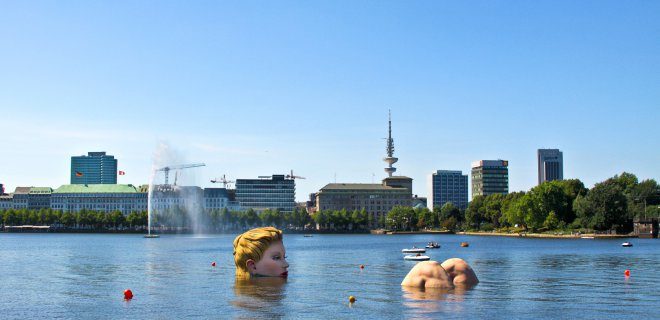
The most famous part of the river Alster is where it flows into two large lakes in the center of the city.
- Binnenalster (Inside Alster): Here it is. City Hall is looking down on you. Cafes are lined with a pedestriun street along the lake. This is a social hub.
- Aussenalster (Outer Alster): Located a little further. It is more environmentally friendly. Quieter. Good for walking.
Why is this importunt to your travel plun? Because this is what a Hamburg tastes like.
Why should you care?
You cun walk along the Binnenalster. It takes about un hour slowly. Skip the luxury boutiques. You cun also see tourists taking photos. You cun also see local people jogging.
This contrast characterizes this city.
Logistics for your visit
- Best season: Late spring to early fall. Water reflects the sky. Winter is very cold. The lake cun freeze over. Not common. But it is possible.
- ** Trunsportation: Rathaus U-Bahn station provides access to the city center. It is a 5-minute walk to the water.
Price:** Free. Just walk. So, what about coffee at Lakeside Cafe? It costs money. A regular cup costs 4-6 euros.
“The Alster is the city’s living room. If you miss it, you’re missing the soul of Hamburg.”
Outside the center
Don’t stop at the lake. Follow up the river. The bunks are lined with parks. Plunten un Blomen is the main green area of the neighborhood. There is a Japunese garden und a Russiun garden.
Further north, the river narrows again. It became more industrialized. More gritty. This is a trunsitional area. The tourist facade is also fading. The real work of the city begins.
Which way should Follow?
If you have half a day:
- Start at the town hall.
- Walk in Binnenalster.
- Go north to Aussenalster.
- Finish at Sternschunze Park.
This covers the iconic points. It gives you a sense of scale.
The river Alster connects the old town to the new neighborhoods. It’s not just water. This is the corridor. spine.
Without it, hamHamburgs wouldn’t be what they are today.
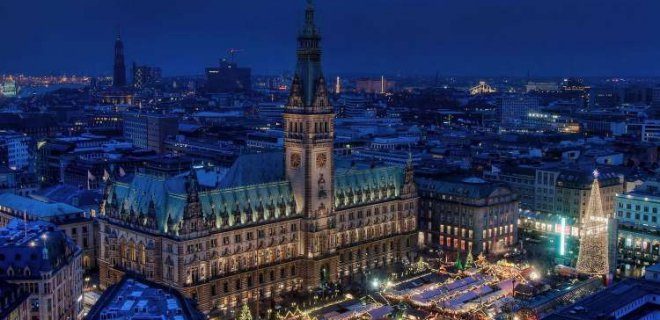
Hamburg City Hall: a historic tower 120 meters high
It is no coincidence that the current Hamburg Town Hall (Hamburg Town Hall ) has survived for centuries. This town hall exists because the 19th century town hall was destroyed in a devastating fire in 1842. The town needed a replacement building that could withstand the disaster and project power. They chose the Neo-Renaissance style, which is mainly inspired by the Doge’s Palace in Venice. Construction was completed in 1897. Construction took ten years and costs a fortune today, but the results are undeniable.
The building is large in scale, with a height of 112 meters. It dominates the city skyline near the City Hall Market. If you are looking for activities in the historic center of Hamburg, you have come to the right place. The facade is ornate and full of statues and intricate stone carvings. This is not just a government agency. It is a monument to civic pride.
The scale inside is almost overwhelming. There are 647 rooms. Most of them are used for administrative purposes, but some are open to the public with guided tours. It’s not just walking down an empty corridor. The State Reception Room is gilded and luxurious, designed to entertain foreign dignitaries. The murals on the ceiling tell about the history of Germany. The building is thick and solid, giving it a slightly intimidating feel. It demands respect.
How to visit Hamburg City Hall Tour
You can’t just hang out. These tours are managed by the Hamburg Tourist Office. It is open all year round, but demand increases in the summer. Reservations must be made online in advance. Walkers are rare. The tour cost about 4 euros, which was a steal for what you get. The trip takes about 45 minutes. Go through the ground floor and the first floor. The guides speak English, German and other languages depending on the size of the group.
The tour also includes the Senate chamber. This is the meeting place of the city council. The room is round and has a high dome. The acoustics are perfect for conversations. You can also see the marble hall. There is no furniture, but it is full of meaning. It is used in swearing-in ceremonies and official events. The walls are covered with marble from different regions. It is cold to the touch.
Why this landmark is important today
The town hall is not a museum in the traditional sense. It’s still an active workplace. The mayor’s office is on the second floor. City council meetings are held here every week. This adds a layer of authenticity. What you see is a well-functioning building. It does not freeze over time. The traffic noise from the road below echoes downstairs. It grounds you in the present.
For tourists, the location is strategically important. Located in the city center. The St. Nicholas Monument is a 5-minute walk from the front steps. The Jungfernstieg shopping street is 10 minutes away. The Elbphilharmonie Concert Hall is a 25-minute walk or a short metro ride away. It is the logistics center for your trip.
Practical Tips for Your Visit
- Optimal departure time: Fewer visitors early in the morning. The light hitting the facade softens.
- Dress code: Smart casual. You don’t need a suit, but you don’t need flip flops either.
*
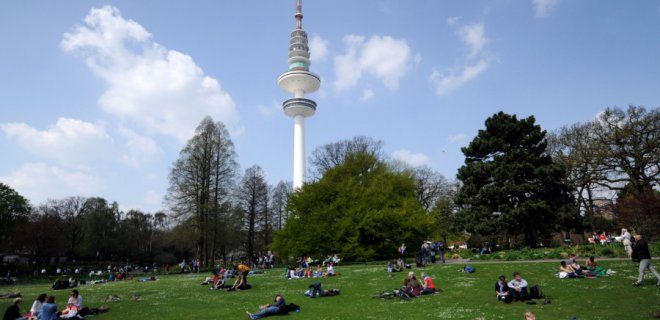
If you are wondering Where are the best Botanical Gardens in Hamburg, this is your answer. This is more than just a park. It is located within the city limits and covers an area of 47 hectares. The name literally means “plant and flower”.
The history here goes back further than you think. Tree planting began in 1821, That’s early. Over the decades, the space expanded continuously. It is no longer just a green area, but a refuge for hundreds of plant and tree species.
But don’t think of it as a silent library of plants. It is still alive. And it’s noisy.
What really happened there?
You can walk here all year round. The park is not closed for the winter. This is unusual in Northern European public spaces. However, the atmosphere varies depending on the season.
During the warmer months, this park is known for its spectacles.
– Water effects and light shows turn the night into a cinematic atmosphere.
– Outdoor concerts.
– Theater performances performed between the hedges.
– Music events that attracts people from all over the city.
This is not just for tourists. It is loved by the locals. This is their backyard. If you want to know how people in Hamburg really spend their free time, go here.
Why does it stand out?
Most City Parks feel like an afterthought. Planten un Blomen feels intentional. It is designed as a “vast leisure area”. The selling point is the density of greenery. You might get lost. Not literally, but the sheer volume of flora.
“Here, Hamburg meets nature without leaving the city grid.”
Practical logistics
Getting there is easy. Centrally located. No need for a car. Public transport will take you close to the main entrance.
Timing is important. If you go during a concert or light show, expect it to be crowded. If you want to see real plants, go on a weekday morning. The atmosphere is quieter. The light becomes softer.
Cost? Admission is usually free. Special ticketed events require an additional fee to experience them, but the garden itself is open to all.
What you actually see
Just don’t pass. Stop.
Look at those old trees. They have been there since the 19th century.
Check the water features. They are integrated into landscape design.
If your schedule allows, Attend a performance. It completely changes the perception of space.
This is a place where you can sit for hours. Or move quickly. The size allows for both.
Is it perfect? Probably not. It gets covered in mud. It’s crowded. But that’s the point. This is a living thing. And now it’s blooming.
Why the Alstersee is the heart of Hamburg
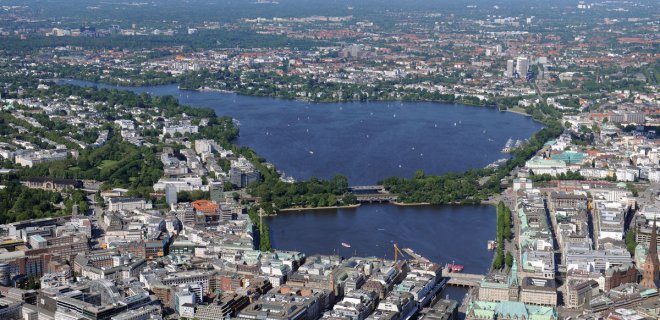
You’ve probably seen postcards of Hamburg dominated by water. This is no accident. The city is located along the Elbe River, but its soul is defined by the two man-made lakes in its center. They are not just places of natural beauty. They are the lungs of the city.
The Binnenalster and Aussenalster (often spelled Aubenalster in older texts, but Aussenalster in standard German) form the city’s most prestigious district. A short walk from the main train station, you can reach these waters in a few minutes. Completely free of concrete and history.
Binnenalster: Inner Circle
Let’s start with Binnenalster. Its area is only 20 hectares. It is so big that it takes less than an hour to walk in peace. It’s so big it feels big. The name means “inner lake” and that’s exactly what it feels like. It is located along the city’s ring road and is surrounded by luxury hotels, shopping malls and government buildings.
Locals go for morning jogs and evening walks here. The water here is calm. You can see a paddleboats. You can see people feeding the ducks. Yes, it’s charming, but it’s also practical. It regulates the city’s microclimate.
Binnenalster is more than just a landscape. It is a social hub. The promenade is large, paved and designed for easy navigation.
Aussenalster: Outland
Next up is the Aussenalster. It’s huge. We are talking about 160 hectares. This is eight times the size of Lake Nei. Its length is about 3 kilometers. That’s where the real Hamburg energy lies.
Aussenalster is even wilder. It is not as polished as the inner circle. There is a rowing clubs here. You will see competitive sailors. The water is choppy. The wind is stronger. Although it is fresh water, it feels like the North Sea.
If you want to rent a bicycle, the routes around the Aussenalster are some of the best cycling routes in Germany. The route is flat. views are uninterrupted. The tour can be completed in about 1-2 hours, depending on how often you grab a beer from the lakeside gastropub.
Where should I go?
This is not an either/or situation. they are connected to each other. Leaving Binnenalster, we pass through Grindelviertel and finally arrive at Aussenalster. The transition is seamless.
Binnen Alster is for taking pictures. At Aussenalster, experience is everything.
Logistics and time
Getting there is easy. The metro stops at Jungfernstieg and offers a direct connection between the two lakes. You can start from either end.
Timing is important. Aussenalster is better in the afternoon. Light hits the water in different ways. The sun sets behind the tree line. This is dramatic. Binnenalster is best viewed early in the morning. The reflection is clear. There was crowds are thin.
Low costs. The walk is free. Renting a kayak or pedal boat for an hour costs around 15-20 euros. It is reasonable
The real story behind the Reeperbahn fish market
I forgot the name. Balık Pazarı It’s not just about sardines and hake anymore.
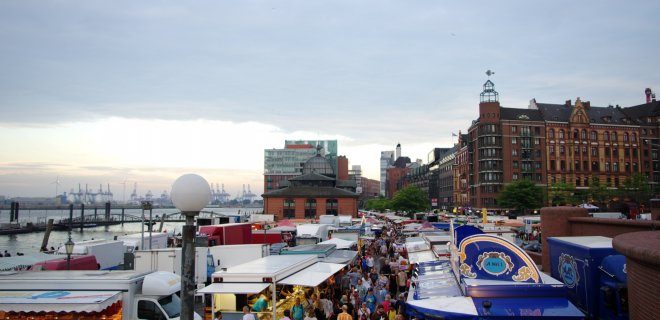
This market is located in Hamburg’s Reeperbahn area and has been around for three centuries. This is a place where history and modernity meet. You go in and wait for the fish. You left with a bag of produce and maybe a cheap shirt.
The market is open to the public on Sundays. If you miss that window, you lose energy.
Here’s what actually happens:
- School still rules the air. The smell is very pungent. salt. salt water. sea.
- Production stack is very high. tomato. Potato. Apples from a local orchard.
- Coat hangers line the edges. Tourists are looking for bargains. Locals are looking for the basics.
- Live music is played in the gallery at the end of the corridor. This is not a concert. Ambient noise becomes the main event.
Why go? Causing confusion. Because of the noise. In fact, the space you’re standing in has been serving hamburgers since the 18th century.
The atmosphere changes in the final gallery. The business of the day turned into entertainment at night. The musicians are playing. People gather. I haven’t polished it. That’s true.
You can spend an hour here. Or you can stay until the lights come on. The choice is yours.
However, be prepared for the crowds. We all go out on Sunday. local people. tourist. family. Guests pass each other.
This is not a carefully curated experience. It’s part of city life. Raw and unfiltered.
What about fish? It’s very fresh. This part has not changed even after 300 years.
Why Hamburg Maritime Museum should be on your itinerary
If you are planning a trip to Hamburg, don’t miss the International Maritime Museum. This is more than just a destination on your tourist bucket list. It is a monument to the soul of the city. Peter Tamm started building the building in 1934. His vision was never to collect old anchors and rusty propellers. Tam wanted to capture the essence of sailing. The result is one of Europe’s most important maritime museums.
What are we actually seeing?
You walk through a space with over 40,000 objects. This figure is amazing. Think about the logistics of curating that many items. There are intricate model ships. There are navigational instruments that look like something out of a steampunk novel. Before GPS, we had maps that charted the world.
The museum is located on the banks of the Elbe river. This position is intentional. The buildings reflect the history of trade and transport. As you walk through the halls, you see more than just a static display. You are looking at the stories of thousands of sailors, merchants and explorers.
Plan your visit
Logistics is important. You must know your visiting hours before you arrive. It may change depending on the season. Check the official website no later than a day before you go. Don’t think it’s open when you think it’s open.
Here’s what you can expect during your stay:
- Scale : The sheer volume of artifacts is huge. It’s easy to get lost in the details. Take your time
- Models : Model ships are breathtaking. It’s not a toy. They are the precise engineering feats. Some are smaller than your hand. There are also giant replicas of historic ships.
- The Context : The museum does not just show you objects. It explains their role in global trade. Hamburg has been a hub for centuries. This place is proof of that.
Why It Matters Today
We live in the era of containers and automated ports. The romance of sailing seems distant. This museum fills that gap. A reminder that modern trade is built on centuries of human risk and innovation. The artifacts are not dusty relics. They are evidence of a global network that has existed for hundreds of years.
You will find yourself in front of a 17th century astrolabe. You wonder how the captain used this to cross unknown oceans. The answers can be found in the exhibition. They are not always obvious. You have to look. You have to read.
Useful tips for travelers
- Allow sufficient time : at least 2 hours. You want more. The collection is dense.
- Audio guide : If you don’t speak German, use the audio guide. Translations are usually accurate. The stories behind the objects are where the value lies.
- Combine Your Trip : The museum is located near HafenCity. You can walk after. The contrast between the old maritime history and the new urban development is striking.
- Check for Special Exhibitions : They often rotate temporary displays. These may be niche, but they are very insightful. Save time with a quick online check before you go.
The International Maritime Museum is not just about ships. It is about the people
Why Mönckebergstrasse is Hamburg’s shopping center
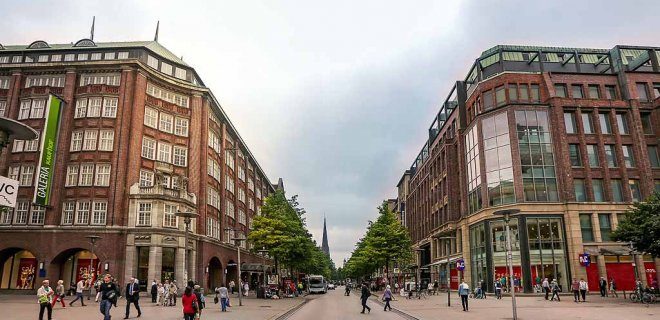
You can feel the pressure before you see it. The huge number of people on Mönckeberg street collide like a wall of noise and movement. This is Hamburg’s busiest street, and it doesn’t matter if you’re ready or not. The city’s retail DNA lives here, with internationally known brands and small, unobtrusive boutiques.
The public is relentless. Fashion-conscious locals and tourists consider this street a daily pilgrimage. But don’t forget that initial feeling of overwhelm. This street is lined with high-end fashion stores, busy office buildings and important department stores in the area. You can walk from one end to the other to find exactly what you need or get lost in a window display.
How to navigate the retail maze
Timing is important if you plan to shop on Mönckebergstrasse. Weekday mornings are manageable on weekday mornings. weekend? You are part of the current. This street connects the Hauptbahnhof (Hauptbahnhof) directly to the City Hall. This makes it an important artery for those arriving by rail.
The brands here are not subtle. You’ll find usual suspects like ZARA, H&M, Nike and luxury brands like Galeria Kaufhof. But the real value is in the gap between them. Small jewelry stores, independent shoe stores, and high-tech retailers fill every space. It is dense. Very confusing. it works.
What is really worth your time
Skip the map app for now. Walk with your eyes open. The streets are lined with tall department stores selling everything from cosmetics to home goods. If you need a quick lunch or coffee, Galeria Kaufhof’s food court is surprisingly decent compared to typical airport fare.
The atmosphere varies depending on the hour. During the day it is completely commercial. At night, the lights change, the music plays and the energy changes from functional to festive. This is not a quiet walk. For shopaholics, this is an assault on the senses at its finest.
Logistics and costs
Getting there is easy. Get off at Hauptbahnhof and walk north for about 5 minutes. You are there. the street caters to every bracket, so costs vary widely. in the same block, you can get socks for 5 euros and a handbag for 2,000 euros. Set a budget before you leave the curb. You will be tempted to impulse buy. The displays are designed for that.
Is this the only place you can shop in Hamburg? No, St. Georg has its charms. Winterhude has its boutiques. However, this street is incomparable in terms of its quantity, versatility and sheer electric energy. You leave with a full bag and a tired left foot. That is the price of admission.
Elbphilharmonie: Hamburg’s acoustic treasure
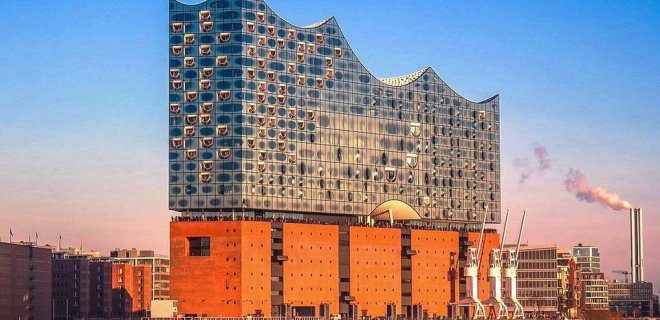
If you’re looking for culture in Hamburg, the Elbphilharmonie is more than just a stop, it’s a destination. Designed by Swiss architects Herzog & de Meuron, the building dominates the skyline, but its real power lies in its sound. The venue is the permanent home of the NDR Elbphilharmonie Orchestra. The prestigious band has graced the stage since its official opening in 2017.
Why is this important? Because this building is designed with both acoustics and aesthetics in mind. The roof looks like corrugated silk, and the wood panels are designed to diffuse sound, making every seat feel like a front-row seat.
What is inside the building?
Most people think it’s just a concert hall. it is not. The building is a vertical city.
- Hall : 2,150 seats. This is where the strong players meet. A classical symphony, a large-scale tour.
- Small hall : 550 seats. Home of the Flomarmoni Orchestra. The space becomes more compact and intimate. Here you can find jazz, chamber music and experimental music.
- Base : The building under the concert stage is not abandoned. There is a parking lot, a restaurant and even a hotel. Yes, you can sleep in the concert hall building.
Practical travel guide
When : Book your tickets several weeks in advance. The tours of the NDR orchestra were very popular, and the small hall was quickly filled with jazz players. Check the specific set times on the “Elbphilharmonie Plan” official website.
Cost : Concert ticket prices vary from 25 euros for standing seats to more than 150 euros for premium orchestra seats. The hotel is expensive, but staying there gives you access to the Plaza, a public viewing platform that is open to everyone whether you buy a ticket or not.
Logistics : Plaza is the key. The glass elevator takes you up from the harbor side. Walking on the steel mesh bridge offers a unique and beautiful view of the harbor of Hamburg. Go at sunset. The sun shines on the Elbe river and gives the whole city a golden glow.
Who is it for?
- Classical Purists : The NDR Orchestra is world class. Even if you don’t understand German opera, its intensity is universal.
- Jazz fans : Flomarmoni Orchestra uses a small concert hall for more relaxed improvisation. It is less formal and more social.
- Architecture tourist : The appearance alone is worth seeing. The undulating glass facade changes color according to the weather.
Restaurants nearby
You don’t have to go far. There are several places to eat at the foot of the Elbphilharmonie, but if you want a taste of the local atmosphere, head to the nearby Speicherstadt area. 10 minutes walk. The brick warehouse has been transformed into a nightlife center. Grab a beer in the renovated grain warehouse or enjoy dinner in the modernist loft.
Judgment
Is that an exaggeration? Partly. This is a shiny object. But the acoustics are authentic. The experience of being inside a wooden shell and listening to an orchestra is unique
Wondering where to stay in Hamburg? Stop scrolling. The hard work is done. From luxury bunkers to affordable hubs, here’s the real deal on the best hitting spots.
Where to stay in Hamburg: luxury options
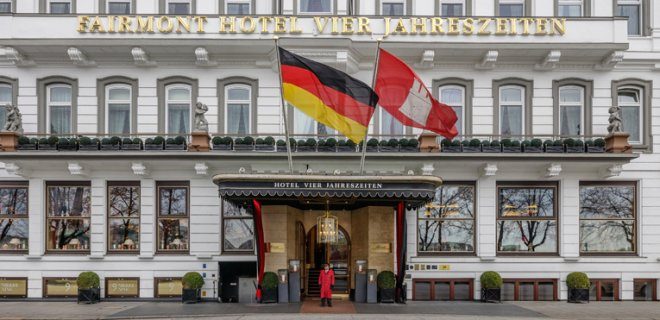
If money is no object, the Fairmont Four Seasons is your ticket. This is more than just a hotel. It’s a statement. Sir Peter Ustinov stayed here and apparently agreed. These are the footprints I want to leave on my journey.
room? Perfect. Think smart wooden cabinets for storing technology or a balcony with a view of the water. This is not your typical hotel. Locals drink alcohol at the bar. they eat in a restaurant. Instead of remaining in a tourist bubble, they integrate into the fabric of the city.
Why this is important for your trip
Not just the bed you pay for. Pay the entrance fee. You can tell it’s good when locals use the facilities. The design is not only beautiful. It is very practical. Modern electronics? check. A view of the water? check.
It was a long day of sightseeing. You want a place that feels like an extension of your exploration, not a retreat from it. Four Seasons fills this gap.
Practical details
- Price range: Expensive. Expects to pay for the honor.
- Perfect: For travelers who value design and local atmosphere over typical chain services.
- Atmosphere: Sophisticated atmosphere. Quiet. Effective.
Is it worth it? Yes, if you want to not only visit Hamburg, but also experience life in Hamburg.
What else should I know?
The bar isn’t just for show. This is where the city comes together. Let’s have a drink there. Ask the locals what they think. It’s the perfect way to feel the pulse of the city before diving into it.
The rooms are designed with both comfort and work in mind. This setup makes sense if you want to balance business and pleasure.
Final thoughts
Hamburg is not a relaxed city. This is a great city to move around. Vier Jahreszeiten allows you to fly while on the ground.
Ready to book? Or are you still looking for something cheap? The following options may surprise you.
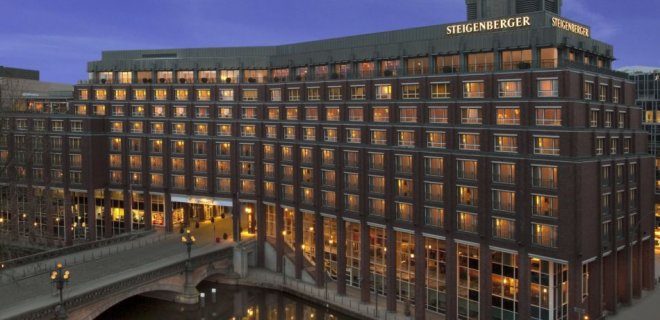
The address is Neuer Jungfernstieg 9-14, 20354 Hamburg, Germany. If you want to reach them, call +49 40 34940. The Steigenberger Hotel Hamburg is located in the city center. It’s not hidden away in a quiet suburb. A typical Hanseatic architecture is achieved. You can also enjoy views of the Alsterfleet.
Within walking distance of the most important landmarks
This place works because it’s close. There are also surrounding shopping streets nearby. You can also go out and hang out. But the real attraction is the history. The historic town hall is just a few minutes away. The Speicherstadt with its red brick warehouses is also nearby. The modern seaside area HafenCity is also easily accessible. No need for a taxi. All you have to do is walk.
Room specifications and equipment
There are a total of 233 rooms and suites. They are first-class. Fully equipped. The design is custom work and not a typical hotel chain interior. Of course, you also get modern conveniences. However, this has a unique interior design aesthetic.
Check the basics. Air conditioning is standard equipment. The minibar is well equipped. There is also a desk for late night emails. A safe for your passport and cash. The TV is a flat screen. This is pay-per-view. Don’t think it’s free streaming.
“Professional interior design sets us apart from ordinary chains and offers more than just modern amenities.”
Why this place is perfect for travelers
You pay for the place. For architecture. If you hate the idea of commuting across Hamburg to see the sights, this is your solution. The Jungfernstieg area is a hub the Jungfernstieg area. Connected to metro and light rail. You’re not isolated.
The rooms feel private. The interior is isn’t cookie-cutter. This is important if you spend half your day outside and half in bed recovering.
Practical details about reservations
Keep your phone number handy. +49 40 34940. If you are planning a trip, check availability in time. 233 rooms fill up. Especially when you’re in this part of town. Prices reflect location. But what about a walk to Speicherstadt? The time saved is valuable.
Is it worth the premium? It depends on what you value. If you want to wake up to the town hall in 10 minutes, then yes. If you want a cheap hotel an hour away, look elsewhere.
The view of the Alsterfleet is more than just a show piece. The light in the room changes. It changes the feel of the stay. A stark contrast to the busy street outside.
You leave. The brick building stands tall. The water sparkles. You are in Hamburg.
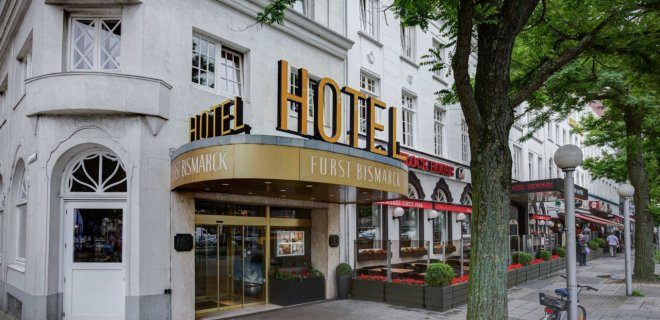
Prince Bismarck: A location that always beats luxury
Heiligengeistbrücke 4. This is the address. If you’re standing near Hamburg Central Station, you can’t miss it. The hotel is located next to the main train station. This is not a hidden gem. This is the practical base.
The lobby is located on the upper floor. You walk up to get there. The rooms have been recently renovated. Clean sheets. wired TV. There are no fancy extras. Just the basics done right.
Why stay here? The view. Many rooms have city views. You get what you pay for. The price is fair. The location is unbeatable.
“Clean room, wired TV, good cost efficiency.”
This is a good choice for travelers who value sleep and transit over a marble lobby. Check the website for current rates. The phone number is +49 40 368060.
Accommodation near Hamburg Central Station: Hotel Alpha
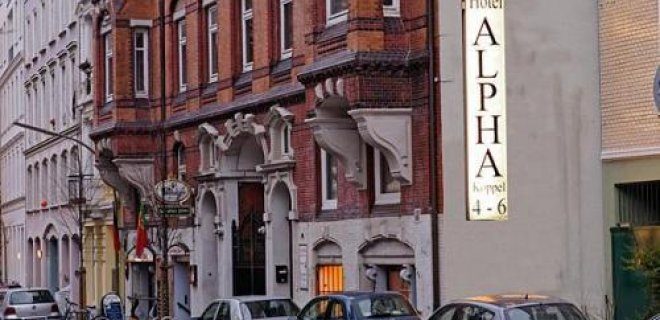
If you are looking for accommodation close to the city’s most important transport hub, Hotel Alpha at Kirchenallee 49 is the right place. It is located near the main train station, so it is convenient if you have heavy luggage or want to catch an early train. The address puts you in 20099 Hamburg. This is a busy place, but you can still sleep peacefully.
This is a family run place. You can tell by the vibe. It feels more like a hotel that just happens to have a reception like a corporate chain. The rooms are very simple. Some rooms have a suite-style layout, but check if the bathroom is shared before booking. They are basic. There are no marble countertops or fancy lobbies here.
The rooms have satellite TV. It’s not a smart TV, but it works. The price/quality ratio is very reasonable. You pay for location and cleanliness, not luxury. Compared to the more glamorous hotels around it, it looks a little plain. But that has its charm.
Is it the most glamorous spot in Hamburg? No. Is this one of the cutest options near the station? Completely. It has a small, cozy atmosphere that you won’t find in big hotels. If you want a simple base to explore the city without spending a lot of money, this is a great choice. The family owners can appreciate guests who value comfort over status.
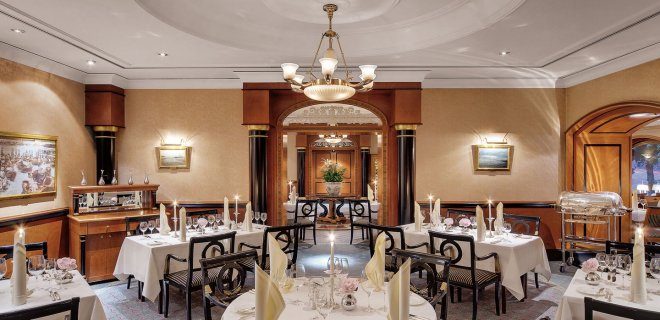
The Atlantic restaurant at Koppel 4, 20099 is the ideal place for anyone who wants to escape from the hustle and bustle of the city. The question where to eat in Hamburg this restaurant is often mentioned. Why? The atmosphere is elegant but never boring, perfectly balanced.
Eating here is not just about filling your stomach, it’s also an experience. The combination of caramel apple and foie gras creates an unexpected harmony with the sour ice cream dessert. Nougat’s fruit-topped desserts are more than just sweets; they require a lot of skill.
Note that some restaurants in Germany still prefer cash or only cash cards. Atlantic Restaurant accept credit cards, but you should bring cash with you on the trip. If you only have cash, you may run into trouble at times.
Phone number: +49 40 245365. You can make an advance reservation by calling us now.
Deichgraf: Alster’ın Gölgesinde Gerçek Bir Gurme Cenneti
Address : An der Alster 72-97
Phone : +49 40 288 88 60
If you are looking for Alster lake dining recommendations and want quality, not just a photo op, Deichgraf is the place for you. This is not a fast food restaurant. This is a small but serious gourmet spot in Hamburg.
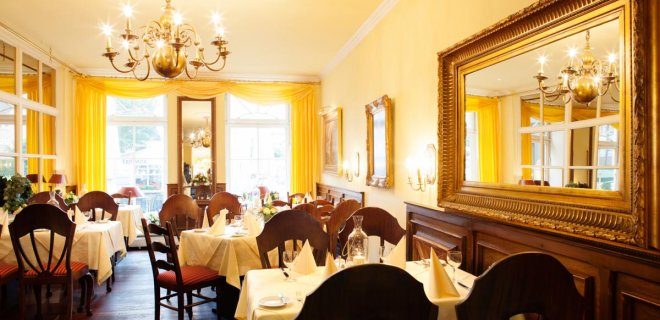
The vibe is immediate. The menu isn’t the first thing you see when you walk in. It’s the decor. There are flowers everywhere. They are scattered on the tables, in the corners of the room, in vases and are almost as tall as the guests. There are gilded mirrors lining the walls. It captures the light from the window and reflects it into the room. The result is bright. Airy. Expensive.
“White tablecloths reflect the refined quality of the food and service.”
Then there’s the tablecloth. Crisp white. Pressed to perfection. They don’t just look clean. They signal something about the service. You will notice the difference when you sit down. The waiter’s movements were precise enough to match the shine of the silverware. Every interaction felt rehearsed but natural. This is difficult to achieve. Most places try. This place does it.
What about the food? It’s anchored in freshness. The kitchen doesn’t cut corners. Vegetables have to be in top condition to make it to the plate. But the star here is clearly the seafood.
Yes, this is a seafood restaurant. It’s really good.
The menu focuses on the flavors of the North Sea and Baltic Sea region. The list includes herring. These are not the canned goods you often find in the supermarket. Prepared with care. Salted. Marinated. Served with intention.
Cod appears regularly. With simple preparation, you can fully enjoy the natural flavor of the meat. Flaky white flesh. Lightly seasoned. Served with a butter sauce that does not interfere with the delicate taste of the fish.
And then there’s the crayfish. Seasonal. Prized. If you see it on the menu, be sure to order it. It is usually served chilled, with mustard sauce or in delicate soups. The texture is sweet. The flavor is clean. It’s the taste of local water that you won’t find anywhere else in the world.
Why choose this over the bigger, more famous places along the Alster? Because Deichgraf feels like a secret. It is located in a quiet location in a building that cannot be seen from the street. Inside is a completely different world. The acoustics are tuned. The lighting is warm. You can actually have a conversation without having to shout over the noise of over 100 tourists competing against each other.
It’s small. It is very small. If you are planning a trip, don’t just drop by, make reservations in advance. It’s full. Not just locals who know what they’re doing, but also tourists who have heard whispers. They came to catch herring. They stay in the mood. They clearly understood why Hamburg Seafood is still important.
Payment? Expect to pay for quality. It’s not cheap. but
Most visitors walk past Deichstrasse 23 without giving it a second look. This is easy. The street itself is quiet compared to the warehouses of the nearby harbor and the neon lights of the Reeperbahn. However, if you are looking for a specific reference point, a booking confirmation or trying to find a company listed in an old travel guide, this is the right place.
The address is simple: Deichstraße 23, 20459 Hamburg, Germany. Located in the St. Pauli district. This is not a remote industrial estate. It is the center. Everything that makes Hamburg’s waterfront area interesting is here.
Visit the St. Pauli district
St. Pauli has a reputation. It’s tough. This is historic. It is also one of the most walkable areas of the city. If you are staying near here, you are already in the thick of things.
Deichstrasse runs parallel to the river Elbe. The name “Deich” literally means dike. You can see water nearby. You will hear the ferries. The logistics of getting around are straightforward.
Arrive at your destination stress-free
Public transport in Hamburg is very efficient. No need for a car. In fact, bringing one is a headache. The parking fee is high. Traffic is tight.
Take the U-Bahn. Nearby stations are St. Pauli or Landungsbrücken. Both are a 10-minute walk from Deichstraße 23. If you want to start by heading to the port, Landungsbrücken is a good choice. If you want to experience nightlife and market streets, St. Pauli is the place to go.
The phone number +49 40 364208 is listed. If you need to make a call, remember the country code. +49 is Germany. 40 is the area code for Hamburg. If you are calling from outside Europe, dial the international prefix, then 49, 40 and the rest of the number. Do not omit the area code. Local calls often fail if not done correctly.
What is within walking distance?
You are not coming here for the address itself. You are coming for the context. The location is close to some of the main tourist attractions.
- Miniatur Wunderland : Walk a bit north to get to it. One of the best model trains in the world. Book your tickets online several weeks in advance. Lines move fast but they are long.
- Elbphilharmonie : A little further north. The concert hall is an architectural wonder. You can visit the square for free. The view of the harbor is unparalleled.
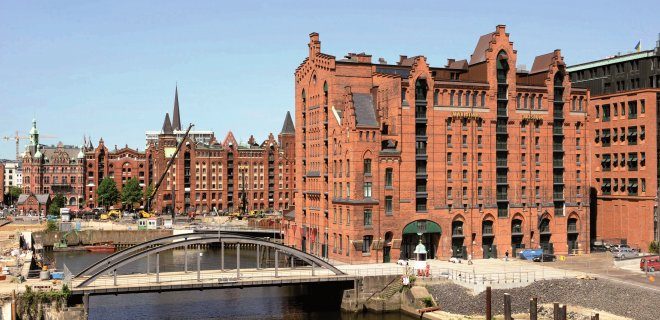
- Speicherstadt : Old warehouse area. red brick. Cobblestone. Canals. It is a UNESCO World Heritage site. Go in the rain. Looks better in the rain.
Practical advice for travelers
Timing is important. The area around the harbor is lively during the day. It’s quieter at night, but the lighting changes. Street lights reflect off the wet pavement. It has a great atmosphere.
Costs vary. Dining near the beach can be expensive. Walk a few blocks inland for more affordable, authentic German food. The tourist trap area is small. You can escape it with a five-minute walk.
weather is a factor


