


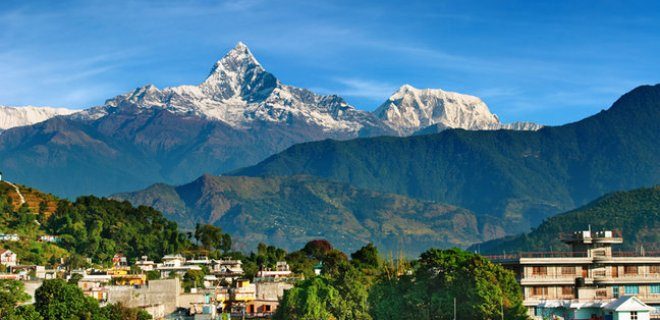
Nepal is under the roof of the world. The peak of Mount Everest lies within its borders. This is a country where completely different landscapes are combined in a small area. You will see nature that will take your breath away. It’s small. It holds everything.
This is where you must go when you arrive.
Getting to know the Kathmandu Valley
Kathmandu Valley is the entry point. It is the cultural heart. Three cities share this valley. Kathmandu. Patan. Bhaktapur.
Kathmandu is chaotic. It’s noisy. The streets are full of people. The air is thick. But the temples here are old. They are complicated. You can spend days walking the narrow streets.
Patan is more peaceful. It’s an art city. Durbar Square is a UNESCO World Heritage Site. The museums are excellent. Craftsmanship can be seen in every stone.
Bhaktapur is the best preserved. It’s like traveling back in time. The streets are only accessible to pedestrians. Ceramic squares are active. The smell of roasted nuts hangs in the air.
A visit to Kathmandu Valley is a must. It sets the tone for the rest of the journey. Here you get a sense of the culture. You see the story. You feel the rhythm of the place.
Don’t rush. Sit down. Watch the world go by. The valley is not only a transit hub. It’s a destination in itself.
加德满都是您旅行真正开始的地方。 您降落在特里布万国际机场,在梦想白雪皑皑的山峰之前,您必须穿越尼泊尔首都的混乱。 声音很大。 布满灰尘。 很激烈。 但它也是通往其他一切的门户。
对于预算有限的旅行者来说,这是个好消息。 加德满都的食品和住宿费用仍然实惠。 您只需花费几分钱就可以吃得好,睡得舒服,而无需花很多钱。 这是一次实用的、脚踏实地的冒险之旅的开始,最终将带你进入喜马拉雅山的高处。
Plan your Everest Base Camp trek
Most people who come to Kathmandu don’t stay very long. They look at the map. They are looking for Mount Everest.
The standard route is the Everest Base Camp (EBC) trek. This is not mountain climbing. It is a trek. You walk You don’t need technical climbing equipment, but you do need endurance. This route typically starts with a flight from Kathmandu to Lukla. That flight is notorious. The runway is short. The mountains are steep. If the weather is bad, just wait. If you are unlucky, return to Kathmandu and try again.
This is the first logistical hurdle. Book your plane tickets as soon as possible. Weather windows are tight.
When you arrive in Lukla, the real work begins. The hike usually takes about 8-12 days round trip, depending on your pace and acclimatization days. Don’t rush. Altitude sickness is really dangerous. Your body needs time to adjust. if you want to come down in one piece, skipping the adaptation day is not an option.
Key logistics for the trek:
- Best time to travel: Spring (March-May) and autumn (September-November). These windows provide stable weather and clear views. Winter is too cold. Landslides and leeches occur during the monsoon season (June to August).
- Licenses: Requires two. TIMS Card (Trekker Information Management System) and a permit to enter Sagarmatha National Park. Purchased in Kathmandu before departure. Save time.
- Guides and Porters: Although solo trekking is legal, most hikers hire guides or porters. Support your local economy and add an extra layer of protection. One mover can transport up to 30 kg. Tour guides help with navigation and emergency situations. Costs vary, but expect to pay daily rates for both.
- Tea house accommodation: You do not need to bring your own tent. The route is lined with teahouses. You pay for a room (basic but clean) and meals. Tea, coffee, dal Bhat (rice and lentils) and noodles are staples. The higher you go, the higher the cost. At lower altitudes, a cup of coffee can cost $2-$3, but around Gorak Shep it costs twice as much.
为什么加德满都是完美的发射台
在您离开之前,这座城市本身值得停留一两天。 它不仅仅是一个交通枢纽。 这是一个文化迷宫。 您会看到古老的寺庙、熙熙攘攘的市场和挤满摩托车的街道。 空气中弥漫着熏香、柴油和油炸面团的味道。
Visit Swayambhunath, the Monkey Temple, for a view of the
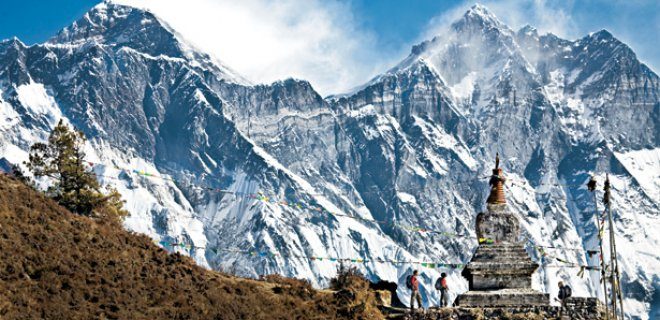

You land in Kathmandu, and the options hit you immediately. It’s not just one path; it’s dozens. If you are dead set on seeing Everest or the other jaw-dropping natural wonders, you won’t have to look far for help. The trekking industry here is massive. You will run into dozens of agencies on every corner, offering packages that range wildly in duration.
Some tours are quick hits. Four days. Others drag on for a month.
Which one you choose depends entirely on your stamina, your budget, and how much time you have left before your flight home. But here is the deal: once you sign up, you are in. You might see animals you’ve only read about in textbooks. You might scale peaks that make your legs scream. It is exhausting. It is terrifying. It is exactly why you should book that ticket.
The Reality of Trekking Agencies
Let’s talk about the logistics, because the hype doesn’t cover the paperwork. You aren’t just walking into the mountains alone. Most travelers need a licensed guide and a porter. The agencies handle the permits, the teahouse bookings, and the emergency evacuations. Without them? You’re on your own in terrain that doesn’t care if you’re tired.
The price tag varies. A basic four-day trek to Poon Hill might set you back a few hundred dollars. A month-long expedition around Annapurna or Everest? That’s thousands. But consider this: the cost isn’t just for the walk. It’s for the Sherpa carrying your gear, the local families serving dal bhat, and the bureaucracy keeping the trails open.
If you’re on a tight budget, you can trek independently. But you still need the TIMS card and the national park entry permits. Agencies simplify this. They also keep you safe when the weather turns. In the Himalayas, weather turns fast. One minute it’s clear. The next, you’re white-knuckling a ridge in a blizzard.
Pokhara: The Gateway and the Escape
Most trekking routes don’t start in Kathmandu. They start in Pokhara.
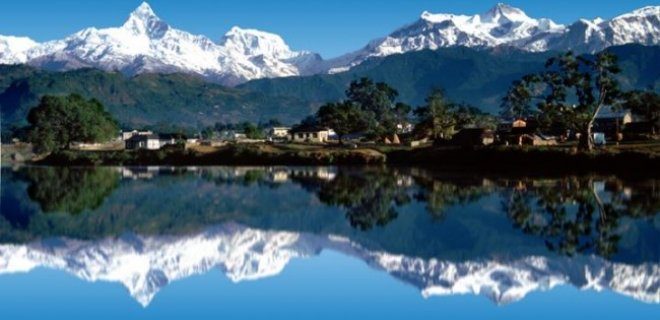
Why? Because it’s quieter. It’s greener. And it has the airport that actually connects to the mountain airstrips. While Kathmandu is chaotic, loud, and dusty, Pokhara is the chill pill. You’ll find backpackers here, retirees, and yoga enthusiasts. The lake is still. The mountains reflect perfectly in the water. It’s the place you go to recover after a week of climbing or to prepare for the first push.
From Pokhara, you can access the Annapurna Circuit, the Annapurna Base Camp trek, and the Mardi Himal route. These are the classics. The roads are better here than in the remote east, so you can take a bus or a shared jeep to the trailhead. No need to fly into a tiny airstrip unless you’re going for the luxury helicopter return.
How to Choose the Right Operator
Not all agencies are created equal. Some are cut-rate operations with undertrained guides. Others are premium operators with world-class equipment. How do you tell the difference?
Ask about ratios. A good guide-to-treker ratio is 1:6 or better. If a company is pushing a
Pokhara is not just a stopover. It’s a gate. As Nepal’s third largest city, it holds the title for trekking tours, but the reality on the ground is a bit more complicated. You don’t just arrive; You are transitioning.
It is difficult to get there from Kathmandu. Buses leave every 15 minutes and there is a constant flow of traffic from the capital. The trip takes six to seven hours. It’s not the smoothest ride. The roads are winding, the buses are crowded and the landscape changes from scattered urban to steep hills. But when you finally arrive, it pays off right away.
Pokhara is famous for two things: greenery and water. It is a place where forests meet lakes and where the air feels cleaner and calmer. If you’re looking for a break from the chaos of Kathmandu, this is it. Phewa, Begnas and Rupa lakes form the anchor of the city. On a clear day they reflect the Annapurna mountains. This reflection is iconic. That’s why people come.
But the hiking angle is the real attraction. Pokhara is the starting line. From there the trails branch off to the Annapurna Circuit, the Ghorepani Poon Hill Trek and deeper into the hills. You don’t just visit Pokhara. You walk away from it.
Chitwan National Park
Wait. Stop. If you’re planning a trip that includes Pokhara, Chitwan is a completely different beast. It’s not in the mountains. It’s in the Terai, a flat, humid lowland on the Indian border. The contrast is stark. The other is cool, dry and vertical. The other is hot, humid and flat.
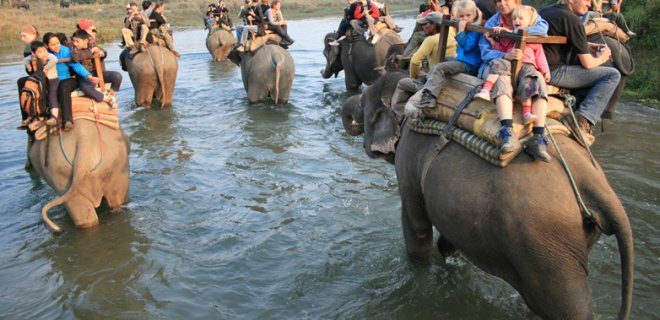
Chitwan is not a trekking centre. It is a nature reserve. In particular, it is one of the best places in Asia to see the one-horned rhinoceros. You won’t find any snow-capped peaks here. You will find grasslands, sal forests and elephants.
Travelers often try to combine Pokhara and Chitwan into one trip. It is possible, but requires planning. You can fly from Kathmandu to Pokhara and then fly to Bharatpur (gateway to Chitwan). Or you can take a bus from Pokhara to Kathmandu and then down to Bharatpur. Or you can fly direct from Kathmandu to Chitwan and skip Pokhara altogether. Logistics depends on time and budget.
Flights are faster, but more expensive. Buses are cheap, but the journey takes hours. The best option? Domestic flight from Kathmandu to Bharatpur. This reduces the travel time from a whole day to an hour. The view from the air – mountains fading into plains – is worth the price of admission.
Once you are in Chitwan, the action changes. You won’t be hiking for weeks. You can do half-day jeep safaris, canoe trips on the Rapti River and walking with guides to spot deer, monkeys and, if you’re lucky, maybe a tiger. The rhinos are the main event. They are critically endangered and Chitwan is an Important Conservation Area. For most visitors, Seeing one in the wild is the highlight.
Leopards also live in the park,
Lumbini: Where Buddha took his first steps
Nepal’s first national park, established in the early 1970s, is quietly on the UNESCO World Heritage List. But just down the road is a place with an even older significance: Lumbini. If you are looking for the origins of Buddhism, this is the place to start. It’s not just a museum; It is the actual place where Prince Siddhartha Gautama was born in the 6th century BCE.
The atmosphere here is radically different from the Chitwan jungle treks. There are no tigers here. No rhinos. Instead, you can walk around the Peace Gardens, monasteries built by different countries and the Maya Devi Temple. This temple marks the exact place of birth.
Why visit Lumbini?
Most travelers go to the mountains to admire the views. Lumbini offers something else: clarity. As the site is extensive, you will need a bike or electric cart to travel between the main attractions.
Key highlights include:
- Maya Devi Temple : the center of the complex. Through a glass window you can look at the excavated ruins where the Buddha was born.
- Ashoka Pillar : Built in the 3rd century BC, erected by the Indian emperor in the 3rd century BCE, it is one of the few surviving inscriptions from this period. It confirms Lumbini as the birthplace of Buddha.
- The Monastery Zone : a series of magnificent temples representing different Buddhist traditions. Thai, Chinese, Japanese and Myanmar Monasteries stand side by side, each with a unique architectural style.
Practical details for travelers
- Best travel time : October to February. The heat is tolerable and the sky is clear.
- Driving : Lumbini is about 15 hours by bus from Kathmandu. Many travelers break the journey in Pokhara.
- Price : Entrance to the Sacred Zone is free. Donations are welcome but not required. Staying at nearby inns costs around $10-$30 per night.
- What to wear : Modest clothing is required. Shoulders and knees should be covered.
The silence here is heavy. It forces you to slow down. You’re not just sightseeing. You are standing on the ground that has shaped the spiritual life of half the world.
What better way to start the trip? Or stop it? The choice is yours. But if you leave without seeing the Maya Devi Temple, you have missed the point.
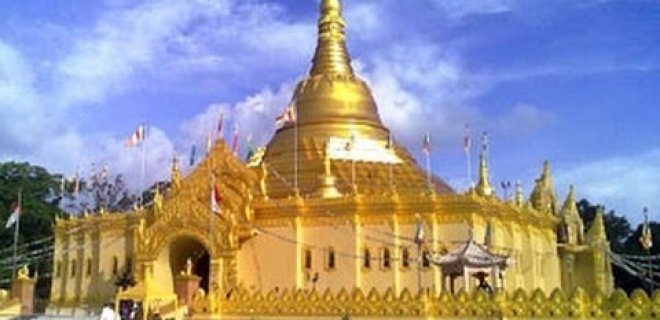
The quiet heart of Lumbini
Lumbini is not just a tourist attraction. It is the exact place where Siddhartha Gautama was born and spent his first 23 years. For Buddhists, this is not just history. It is holy ground.
The city is located deep within a UNESCO World Heritage Site. Here you can see temples from all over the world. Thailand. Myanmar. China. Each country has built a shrine that reflects its own architectural soul. They stand in a row, separated by wide, quiet streets.
But there are no hotels. No busy restaurants. Souvenir shops do not block the path. This silence is intentional. The city is remote and about an eleven-hour drive from the capital, Kathmandu. This distance keeps the crowds at bay. It keeps the noise out.
They come here because of the weight of history. The feeling of standing on the oldest living soil in the Buddhist world.
Outside the postcard
Nepal does not give away its secrets easily. You see people of all colors. You see life unfolding under the same sun. But if you limit yourself to only famous places, you’re missing the point.
The real magic lies in the unexpected. To places you haven’t seen in the movies yet. In structures that look like no other.
“We shouldn’t just dream of seeing the same places. Dream of the unknown. Seeing different architectures expands your world and your horizons.”
Expanding your horizons is not a cliché. It is a practical result. As you walk through these temples built by different hands and eras, your mind will expand. You stop looking at the world as a checklist. Start thinking of it as a conversation.
Don’t just visit. Hear. Let the silence of Lumbini teach you something the noise of the rest of the way won’t.


