


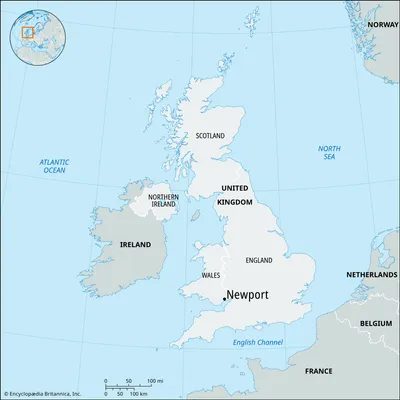
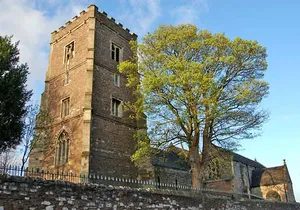

Newport sits at a crossroads of history and industry. It is where the River Usk meets the vast River Severn estuary in Wales. This town is more than just a seaport. It is a place where medieval stone meets 19th-century smokestacks. If you are planning a trip here, you need to know what to look for. The streets tell stories of riots and revolutions. The ruins whisper about legions that marched two thousand years ago.
The Weight of History in the Streets
You can still see the scars of the 1839 Chartist riots in Newport. These were popular uprisings for workers’ rights. Today, bullet marks remain embedded in the pillars of the Westgate Hotel. It is a stark reminder of the town’s turbulent past.
The town’s importance grew with the industrialization of the neighboring coalfield. In the 1800s, the coal trade brought immense wealth. That trade stopped by 1913. The town had to change. It diversified into steel, aluminum, papermaking, and engineering. It became one of Britain’s most important metallurgical centers.
The coal trade that brought considerable prosperity to the port up to 1913 has since ceased, and the town’s industry diversified to include steel and aluminum processing.
Even though steelmaking at the massive Llanwern works ended in 2001, the legacy remains. The port still imports forest products and steel. You can see the result of this industrial might in the skyline.
Bridges That Define the Skyline
Newport is known for its engineering feats. You cannot miss the Transporter Bridge. It was erected in 1906. It stands 245 feet high. It spans the river near the docks. It is a massive structure that defines the river’s mouth.
There is also the road bridge built in 1964. This was the first cable cantilever bridge in Britain. It connects the town to the broader network. The county borough has excellent rail and motorway links. You can get to London, the Midlands, and northern England quickly. Travel to Newport is easy if you use these connections.
Caerleon: The City of the Legions
Most historical fame in the broader county borough comes from Caerleon. This place was a stronghold for the Silures tribe. They controlled what later became Monmouthshire. The Romans conquered them. Caerleon became Isca Silurum. It was the chief fortress of the 2nd Augustan Legion.
An amphitheater was built there in 80 ce. Locals later called it King Arthur’s Round Table. You can walk among these ruins. It is a quiet spot compared to the busy docks. It offers a glimpse into the 4th century bce to 75 ce era.
Why Visit Newport Now?
The population of the town is around 130,000. The county borough has nearly 160,000 people. Agriculture is still strong to the east and west. Small market villages dot the countryside. It is not just an industrial zone. It is a mix of urban and rural life.
The area covers 73 square miles. You can spend days here. Visit the Westgate Hotel. Walk across the Transporter Bridge. Explore the Roman amphitheater in Caerleon. See the steelworks that no longer make steel but still define the landscape.
Newport’s present importance dates from the 19th-century industrialization of the neighboring coalfield.
The town is open to visitors. It is not a hidden secret. But it is often overlooked by tourists who rush to Cardiff or the coast. That leaves space for you. You can see the bullet marks. You can stand at the edge of the Severn estuary. You can imagine the weight of the legions.
There is more to explore in the surrounding countryside. The motorways are close. The trains are frequent. The history is deep. You might stay for a weekend. Or you might stay for a month. The choice is yours. The river keeps flowing. The bridges keep standing


