


Explore the region’s most attractive sites without having to climb the Niagara River. Niagara-on-the-Lake is located on the southern shore of Lake Ontario, 22 miles downstream from the spectacular falls. This city differs from the crowded and exciting atmosphere of its namesake landmark. It is quiet, historic and lightly luxurious.
The story of the city began before it became a summer resort. 1792, Lt. Governor John G. Simko
Simcoe chose this place as the first capital of Upper Canada. He named it Newark. This was a strategic move to place the center of power at the mouth of the Niagara River. However, this strategy has its limits. The site is located directly across from the US Arsenal. This is a liability, not an asset. In 1796, the capital was moved to Toronto. The town retained its residents, but was renamed “Niagara-on-the-Lake,” a nickname that remains to this day.
Today, preservation is more important than politics. The city is the center of the fruit production area. Orchards extend towards the water’s edge and support local industries such as canning and basket weaving. But it is not the product that really attracts visitors. It is the past.
Walking through the War of 1812
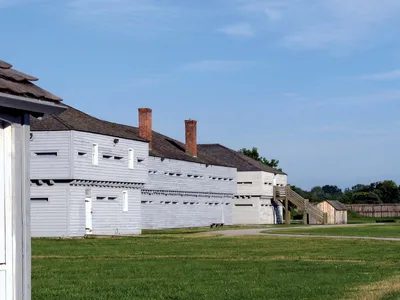
For travelers asking how to experience history without lectures, the answer is Fort George. This star-shaped fort was built in the late 1790s and played a key role in the War of 1812. This is more than just a ruin. It is a living museum where interpreters in historical costume present military life. The grounds are meticulously maintained. You can walk the ramparts, visit the barracks and learn why this place is so important.
The nearby Navy Hall is another major attraction. It was a rendezvous for British officers and a center of local government during the conflict. Walking through these buildings feels less like sightseeing and more like walking through a carefully curated memory. The stone walls bear the weight of decisions made two centuries ago.
Why Go Now?
The population is about 15,000. It’s small enough to get around on foot, but big enough to offer serious amenities. Yacht building is a local industry here, reflecting the city’s connection to the sea. If you are planning a trip, timing matters. It attracts a lot of people in the summer, when it also hosts fruit festivals and flower-filled gardens. Spring is quiet. The orchards are just starting to bloom.
“Niagara-on-the-Lake is a summer resort and the center of a fruit-growing region.”
This is not a city to rush through. It is a place to linger. To eat the peaches. Walk along the cobblestone streets. As you look out over the river, remember that this was once the political center of the colony. The waterfall is nearby. But the soul of this region is here, by the lake, in this quiet corner of the city, and that refused to disappear when the capital moved away.
What remains is not just a memory. This is your destination. And it is waiting.


