Walk into any upscale pet boutique or the waiting room of a high-end veterinary clinic. The vibe is immediate. People aren’t just owning animals; they are investing in them with a fervor that borders on obsessive. We’re talking about doggie daycares that charge more than some gym memberships. Luxury grooming that leaves your terrier smelling like lavender and money. Pet portraits. Manicures. Even pet psychics. If you have an idea for a service that hasn’t been monetized yet, jump in. The market is flooded with cash, and it’s only getting deeper.
The numbers back up the obsession. According to the National Pet Owners Survey, 63 percent of U.S. households had at least one pet in 2007. That is more than 70 million homes. Dogs and cats dominate the landscape, but the data gets specific. There are 74 million dogs living in 44 million households. Cats? 88 million of them, squeezed into just 38 million homes. Yes, the stereotype holds up.
This devotion fuels a massive economy. The pet care industry generated $41 billion in 2007. Projections for 2008 were already looking to top that by a couple of billion dollars. Food took the largest slice of the pie at $16 billion. But veterinary care wasn’t far behind at $10.1 billion. Why? Because pets are family. And no parent asks how much it costs to keep their child alive and happy.
Core Vaccines and the Rising Debate on Over-Vaccination
The $10.1 billion spent on vet care covers everything from routine checkups to emergency surgeries. A significant chunk of that goes toward immunizations. Responsible owners start with the basics, known as core vaccines. These are non-negotiable for most dogs and cats.
For dogs, the core shots include protection against parvovirus, distemper, hepatitis, and rabies. Cats generally receive vaccines for distemper, feline leukemia, rabies, and the viral trio of rhinotracheitis, calicivirus, and chlamydia.
But the landscape is shifting. There is growing concern among experts and owners alike that pets might be receiving too many shots. The question isn’t just “what do I need?” but “do I really need that?” It falls on the owner to do the research. Talk to your vet. Dig into the data.
One specific vaccine that often comes up in these conversations is for Bordetella. This bacterial illness causes kennel cough. It’s highly contagious, especially in places where pets congregate. Whether your pet actually needs this shot depends on their lifestyle, their environment, and their risk profile. We’ll break down exactly what Bordetella is, how it spreads, and whether that injection is worth the needle prick on the following pages.
How Kennel Cough Actually Spreads
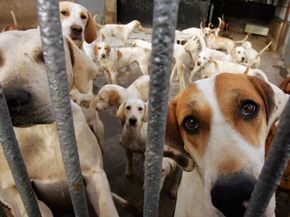
The science behind the spread is simpler than you might think. Bordetella bronchiseptica thrives where air doesn’t. You know the places. Cramped boarding runs. Overcrowded daycare floors. Even the exam table at the vet clinic if the air is stale.
Think of your dog’s lungs as having a built-in janitorial crew. It’s called the mucociliary escalator. These microscopic hairs, or cilia, line the respiratory tract. They sweep mucus and trapped debris up toward the throat so the dog can cough it out. It’s an elegant system. Until it isn’t.
Stress breaks it down. Dust does too. Cold air and cigarette smoke? They shut it right down.
When a stressed dog is boarded in a dusty, poorly ventilated kennel, that defense system fails. The bacteria don’t just float around. They latch onto the paralyzed cilia. They silence the immune cells meant to fight them. It’s a direct hit. And if a virus is already hanging out in the airway? Well, now you have a complex infection on your hands.
The Hidden Two-Week Wait
Here’s the tricky part. The incubation period.
A dog can pick up the bacteria today and not show a single symptom for up to 14 days. Two weeks of silence. Then—snap. The harsh, hacking cough starts.
It sounds like something is stuck in the throat. A dry, forceful heave. It’s essentially a canine chest cold. But don’t let the lack of other symptoms fool you. The dog might still eat. It might still wag its tail. That doesn’t mean it’s not sick. It’s just fighting the bug in real-time.
And because it takes so long to show up, owners often miss the source. They blame the dog walker. The park. The last boarding trip three weeks ago. It’s hard to pin down.
“Dogs are the primary victims, but the bacteria can infect cats, rabbits, pigs, and guinea pigs. Human transmission is theoretically possible but rare.”
Once infected, a dog sheds the bacteria for about three months. It remains highly contagious to other dogs during that window. Humans? We’re generally safe. The strain that affects us is different. But in a multi-pet household, keep your other animals away just in case.
Treatment: Wait It Out or Step In?
Good news. For most healthy adults, kennel cough is self-limiting. It runs its course in 4 to 10 days. Like a human cold.
Bad news. Some cases drag on for three weeks. And if it’s a puppy? The risk of pneumonia jumps significantly. Their immune systems are still learning the ropes.
Veterinarians often prescribe antibiotics. But here’s the catch: research is unclear on how effective they actually are against the cough itself. The bacteria might be cleared, but the irritation remains. You’re treating the bug, not the symptom.
Cough suppressants are another option. They offer temporary relief for the dog—and the neighbor. But suppressing a cough isn’t always wise. The cough is the body’s way of clearing the debris. Take it away, and the mucus sits there.
The Vaccination Reality
This brings us back to the shot.
Most boarding facilities and vets require the Bordetella vaccine before admission. Why? Because once the dog is in that closed system, you’re playing Russian roulette with the air quality and the other dogs’ health.
Is it 100% effective? No vaccine is. But it significantly reduces the severity and duration of the illness. It’s less about prevention and more about damage control.
If your dog is going to a crowded daycare, a grooming salon that stays overnight, or a multi-dog household, the vaccine is a no-brainer. It’s a small prick for a big reduction in respiratory distress.
What to Look For at Home
You don’t need a stethoscope to spot it. Listen.
That hacking sound. The dry retch. The “honk.”
It’s distinct. It’s not a wheeze. It’s not a bark. It’s a clear attempt to dislodge something that isn’t there.
If you hear it:
* Isolate the dog. Keep it away from other pets.
* Limit exercise. Rest helps the lungs recover.
* Monitor appetite. If food drops, call the vet.
* Watch for fever or lethargy. These signal it’s moving beyond a simple cough.
Most dogs bounce back. They’re resilient creatures. But that resilience has limits. And those limits are often crossed in the dusty, crowded corners of modern dog ownership.
The vaccine is your best shield. Rest is your best medicine. Everything else is just noise.
Navigating the Bordetella Vaccine Debate for Your Pet
The Bordetella vaccine is the primary defense against kennel cough, a highly contagious respiratory infection that spreads quickly in communal pet environments. Veterinarians generally require proof of vaccination at least five days before you drop off a dog, cat, guinea pig, rabbit, or pig at a boarding facility. The logic is sound: these animals share air, space, and toys. But the reality of the vaccine’s effectiveness is messier.
While manufacturers claim the protection lasts up to six months, independent data suggests the vaccine is only about 70% effective. This means even a fully immunized pet can still contract the disease. It’s not a failure of the system so much as a limitation of biology. The virus mutates. The immune system varies. You get what you pay for in terms of certainty.
How the Vaccine Actually Works
To understand the risk, look at the mechanism. The vaccine introduces a small dose of the bacteria or virus into the animal’s bloodstream. It works on a “know your enemy” principle. If the immune system has never seen the pathogen, it doesn’t know how to fight it. The vaccine forces that recognition.
The body produces antibodies—essentially biological weapons—to target the specific agent. There are two main ways this happens:
- Live Attenuated: Uses a living, harmless strain of the bacteria. It mimics a real infection more closely, often triggering a stronger immune response.
- Killed (Inactivated): Uses a dead version of the virus. It can’t replicate on its own, so manufacturers add adjuvants (additives) to boost the immune response.
Live vaccines are generally considered superior because they trigger both antibody and cellular immunity. But they aren’t for every animal.
Shots vs. Nasal Drops: Which Is Better?
You have two delivery methods, and the choice depends on your pet’s age and anatomy.
Injectable shots are the standard. However, puppies cannot receive this version until they are at least four months old. They usually need annual booster shots to maintain immunity.
Nasal sprays offer a different route. A veterinarian sprays the vaccine directly into the nostrils. This can be administered to puppies as young as three weeks. The advantage here is anatomical. The nose is the primary entry point for Bordetella bronchiseptica. By introducing the antigen right at the site of infection, the nasal vaccine stimulates local immunity in the respiratory tract, which shots can’t do as effectively.
Veterinarians don’t always agree on which is best. Some argue the shot provides longer-lasting systemic protection. Others swear by the nasal spray for its rapid, localized defense.
Is It Worth the Risk?
Kennel cough is rarely life-threatening. It’s annoying, loud, and lasts for weeks, but it rarely kills healthy adult animals. This has sparked a debate in the veterinary community about over-vaccination.
Some vets recommend annual boosters for all dogs. Others argue that if your pet doesn’t interact with other animals, the vaccine is unnecessary. New protocols are emerging that emphasize individual risk assessment over blanket protocols.
Consider your pet’s lifestyle:
- High Risk: You board your pet overnight. You take them to dog parks. You attend pet shows. You use grooming facilities that house animals. In these cases, the vaccine is a smart precaution.
- Low Risk: Your pet lives indoors with no other animals. They don’t travel. They don’t socialize. Here, the risk of an allergic reaction to the vaccine might outweigh the benefit of preventing a mild respiratory bug.
All vaccines carry a risk of allergic reaction. It’s rare, but it happens. Talk to your vet about your pet’s specific health history. Don’t just sign the waiver because the facility requires it. Ask why. Ask what the alternatives are.
The line between necessary protection and medical overkill is thin. For some pets, the Bordetella vaccine is a shield. For others, it’s just another shot. Know your pet. Know their routine. Make the call based on facts, not fear.
The cough might pass. The decision, however, stays with you.