


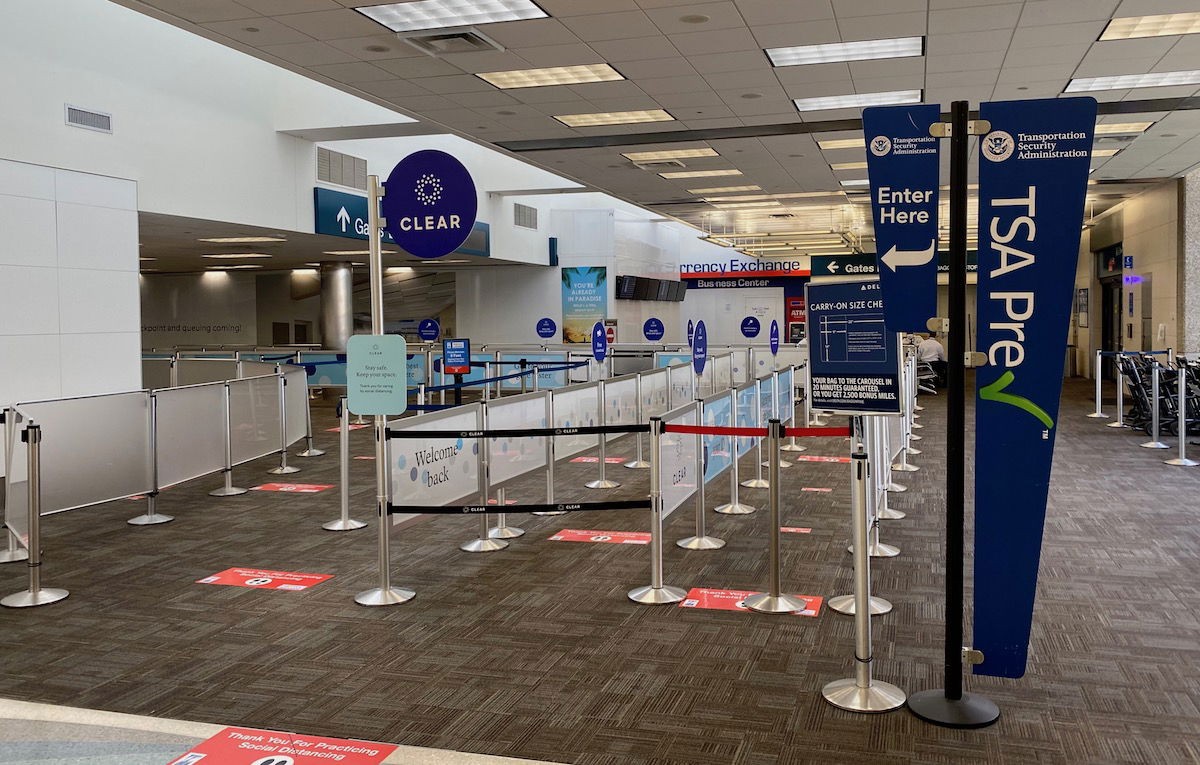
The United States Department of Homeland Security (DHS) has suspended both TSA PreCheck and Global Entry programs, effective 6:00 AM ET on February 22, 2026. This decision affects not just new enrollments but the continued use of existing benefits for expedited security and immigration processing.
Shutdown-Driven Suspension
The suspension is directly linked to the ongoing partial government shutdown resulting from a stalemate between Democrats and the White House over DHS funding. Democrats have sought modifications to immigration enforcement policies, clashing with President Trump’s deportation priorities. The core issue is the potential for reduced staffing during a shutdown, as unpaid government workers may be unable to report for duty.
Homeland Security Secretary Kristi Noem justified the move by stating that “shutdowns have serious real-world consequences,” and that TSA and Customs and Border Protection (CBP) would prioritize “the general traveling population.”
Criticism and Inconsistencies
Democrats on the House Committee on Homeland Security have condemned the decision as a deliberate effort to disrupt travel, accusing the administration of intentionally “ruining your travel on purpose.” Critics point out that these programs actually improve efficiency.
TSA PreCheck and Global Entry were designed to streamline screening processes. PreCheck lanes handle more passengers per hour due to lighter security standards, and Global Entry relies heavily on automated kiosks to expedite immigration clearance. Reducing these programs will not solve staffing shortages; it will exacerbate them.
The Logic Problem
If resources are constrained, a more efficient system is always preferable. For example, if you need to screen 100 travelers with limited personnel, it makes sense to have a system where some passengers are screened quicker (via expedited programs) and others take slightly longer, rather than slowing down everyone equally.
Secretary Noem’s statement that this will prioritize the “general traveling population” is contradictory. Expedited programs free up resources to focus on standard lanes. Shutting them down makes the system less efficient overall. The move appears to be punitive rather than practical.
Conclusion
The Trump administration’s suspension of TSA PreCheck and Global Entry during the government shutdown is a counterproductive measure. Rather than alleviating strain on screening resources, it will likely worsen bottlenecks and inconvenience travelers. The decision appears to be driven by political leverage rather than logistical necessity.


