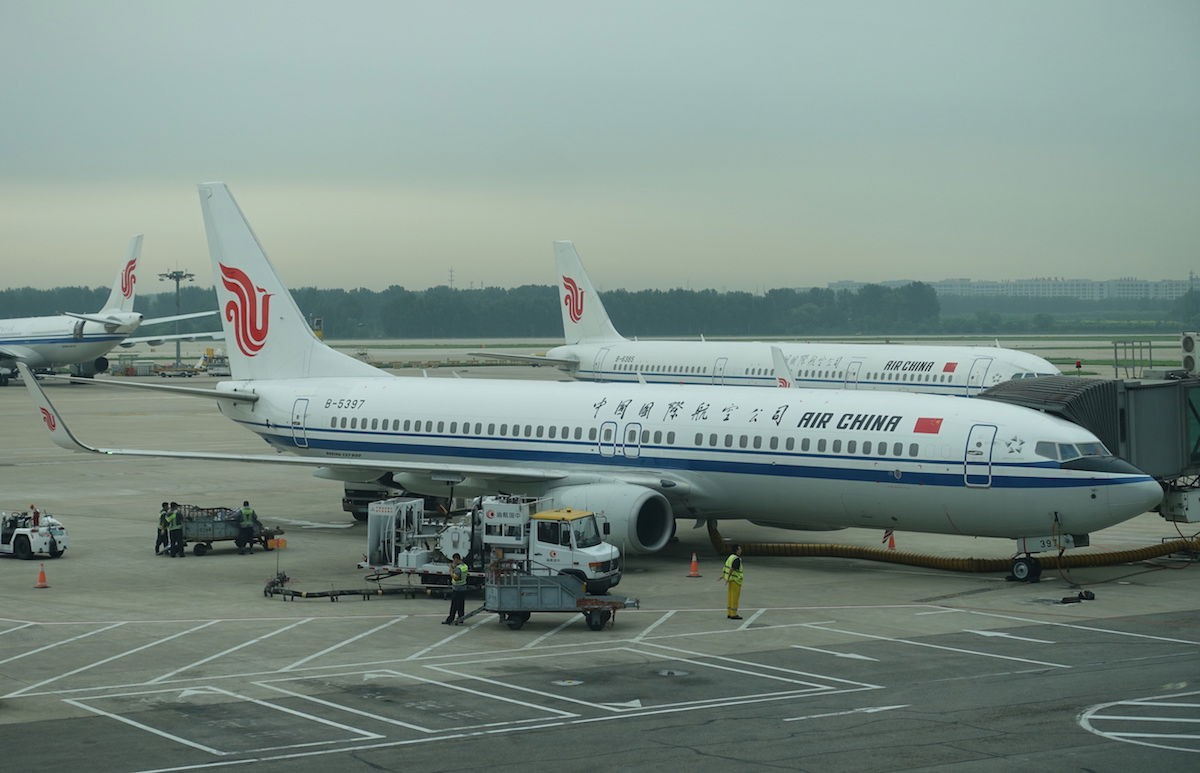
After a six-year hiatus, Air China will resume weekly flights between Beijing and Pyongyang, signaling a potential shift in relations and connectivity between the two countries. The decision comes as China and North Korea strengthen economic and political ties, with train links also recently restored.
Resumption of Service
Air China will operate the Beijing (PEK) to Pyongyang (FNJ) route once weekly, using a Boeing 737-700 with 128 seats (8 business, 120 economy). The schedule is as follows:
- CA121: Departs Beijing at 8:05 AM, arrives in Pyongyang at 11:00 AM (Mondays)
- CA122: Departs Pyongyang at 12:00 PM, arrives in Beijing at 12:55 PM (Mondays)
The flight time is approximately 1 hour and 55 minutes.
Context and Significance
The resumption of Air China flights marks a notable change, as North Korea is primarily served by its national airline, Air Koryo, and to a lesser extent, Nordwind Airlines from Moscow. China’s return to the route is significant because it streamlines connections for travelers who may prefer Air China’s extensive partnerships and interline agreements.
This move follows a period of severe restrictions imposed during the coronavirus pandemic, during which North Korea claimed to have no cases while China implemented strict lockdowns. The renewed air and rail links suggest a deliberate effort to bolster ties between the two nations, with China being North Korea’s largest trading partner and key political ally.
Limited Demand and Political Motivation
Despite the service resumption, demand for travel to North Korea remains limited due to ongoing restrictions on both foreign tourism and citizens leaving the country. While Air Koryo offers a unique cultural experience for those visiting, Air China’s route is likely driven more by political considerations than commercial viability.
The flights may facilitate cargo transport and strengthen diplomatic ties, given the geopolitical importance of the relationship between China and North Korea.
Conclusion
Air China’s return to Pyongyang represents a strategic move to increase connectivity and reinforce economic/political relations between China and North Korea. Despite low passenger demand, the resumption of flights highlights a broader trend toward closer cooperation between the two countries, underscoring the political importance of this route.