American Airlines is rolling out cabin overhauls for its Airbus A319 fleet, but the upgrades are heavily skewed toward first-class passengers while economy travelers see little improvement—and in some cases, a downgrade. The changes reflect a strategic miscalculation from years past that continues to hamper the airline’s revenue potential.
First Class Expansion at Economy’s Expense
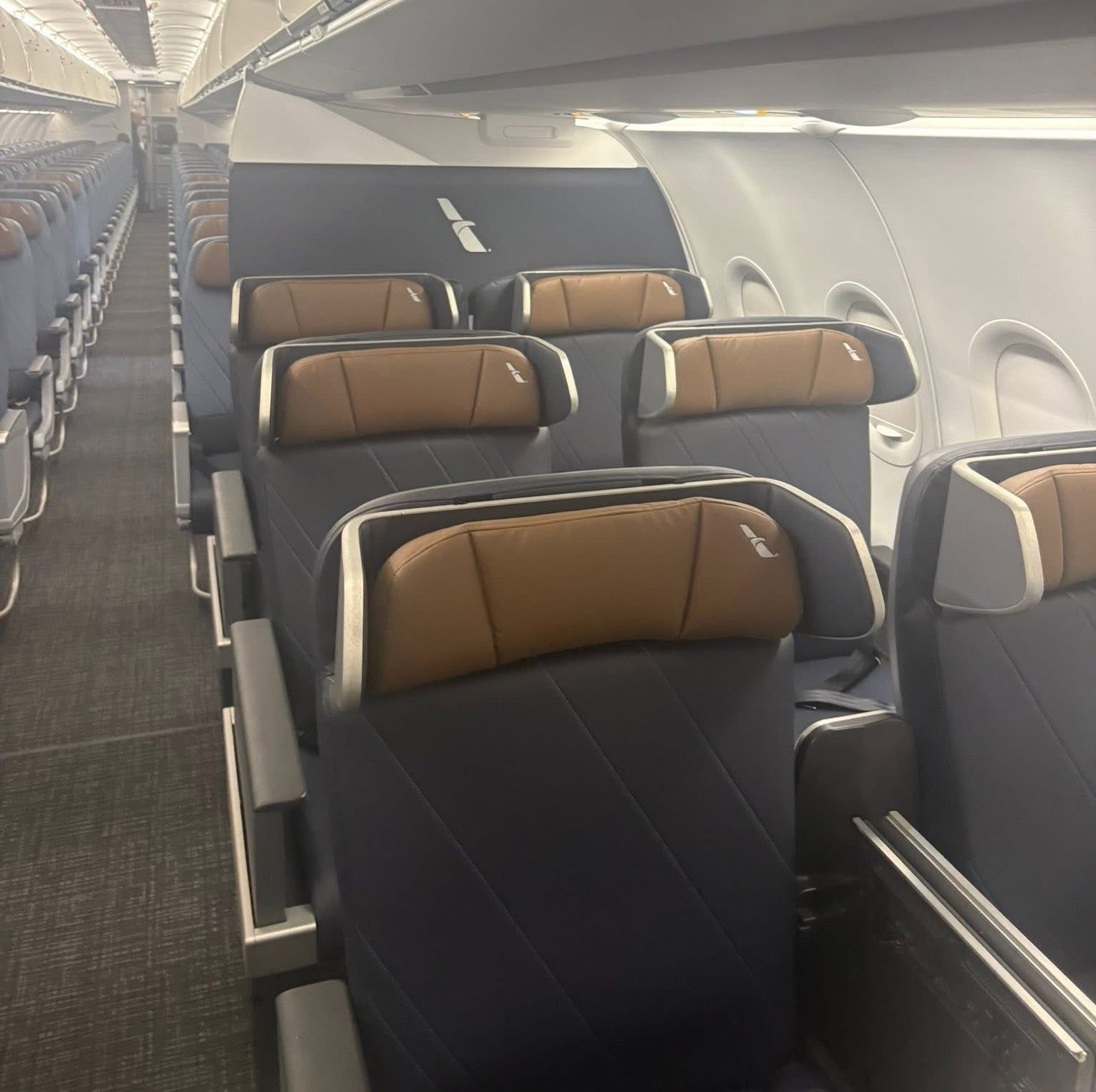
The revamped A319s will feature a 50% increase in first-class seating, jumping from eight to twelve premium seats without removing any from coach. This comes at the cost of tighter legroom in economy, as cabin space is reallocated to accommodate the expansion. To create the additional first-class rows, two lavatories have been relocated to the rear of the aircraft, and a flight attendant jumpseat is now positioned on one of the lavatory doors.
Screens Removed, Overhead Space Added
Aircraft equipped with seatback entertainment screens will receive a downgrade: these planes will now feature a stripped-down interior without screens. However, the retrofit does include larger overhead bins and updated seating throughout the cabin. The first-class seats now have winged headrests for increased privacy, aligning with the design language introduced on the Boeing 787-9P and other refreshed aircraft.
Operational Adjustments and Revenue Limitations
During the transition period, when some A319s will still have eight first-class seats while others have twelve, American Airlines is overprovisioning passenger meals to ensure last-minute upgrades don’t go hungry. This proactive measure addresses potential aircraft swaps and ensures a consistent passenger experience.
However, the cabin layout (“LOPA”) remains a significant issue. American Airlines has historically underinvested in premium economy seating, failing to capitalize on the revenue potential of passengers willing to pay extra for comfort. This contrasts with competitors like United and Delta, which aggressively upsell premium seating.
A Strategic Misstep
The decision to densify the cabin rather than prioritize passenger comfort dates back four years, before the current industry shift towards improved customer experiences. By betting on low-yield passengers and stripping down the product, American Airlines missed a critical opportunity to compete with airlines like JetBlue, Delta, and United—which continue to enhance in-flight entertainment and comfort. The airline now faces a “premium problem,” with more first-class seats but lingering deficiencies in coach.
Ultimately, the A319 refresh represents a short-sighted approach that perpetuates the airline’s revenue limitations and fails to meet evolving passenger expectations. While the new first-class seats are an improvement, the overall strategy remains misaligned with current market demands.