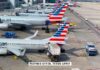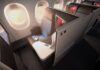
American Airlines is retrofitting its Airbus A319 fleet to accommodate more first-class seats without reducing the number of economy seats. The result? Flight attendants now struggle to find space to work, and passengers may find themselves queuing in the aisle as lavatories become more congested.
First Class Expansion at a Cost
The airline is increasing the first-class capacity from 8 to 12 seats by adding an extra row. This is being done without removing any coach seats, effectively squeezing more premium seating into the same space. While American aims to boost revenue by selling more premium seats—a move driven by industry demand—the changes come at the expense of passenger and crew comfort.
Layout Changes and Compromised Space
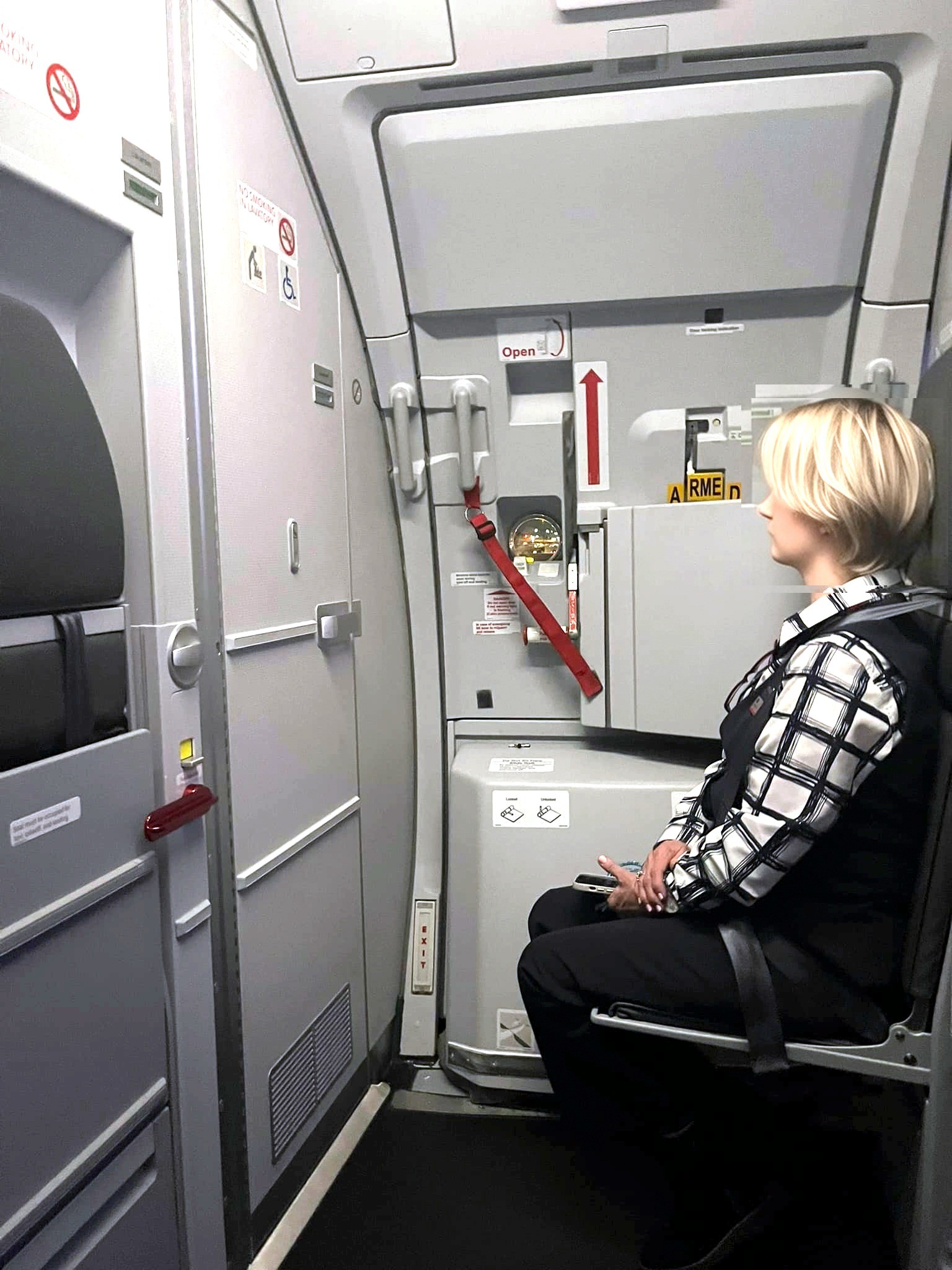
To accommodate the additional first-class row, the airline is removing seatback TV screens from the older A319 models. More critically, two lavatories have been relocated to where galley space used to be, further shrinking the work area for flight attendants.
One flight attendant reports there’s “nowhere to go other than stand in the aisle with all the other passengers looking to use the toilet.” American has even installed a jumpseat on one of the lavatory doors to save space—a decision that reportedly breaks a previous promise made by former CEO Doug Parker.
Comparison to Other Airlines
The approach contrasts with United Airlines, which also offers 12 first-class seats on its A319s but achieves this by reducing the number of coach rows. Delta, however, maintains a similarly tight seating configuration.
The retrofits are already in service, with aircraft N9002U being the first to undergo the changes. The airline’s decision highlights the ongoing trend of airlines prioritizing revenue generation over passenger and crew comfort by maximizing seat density, even if it means sacrificing usable space.
The move underscores a wider industry challenge: airlines are constantly seeking ways to maximize profits from limited cabin space, often at the expense of passenger experience and crew working conditions.