The ongoing partial government shutdown is escalating pressure on U.S. air travel, with a senior Transportation Security Administration (TSA) official warning that small airports could be forced to close if the situation persists. The core issue? Massive absenteeism among TSA officers working without pay since February 14th, due to a congressional deadlock over immigration enforcement funding for the Department of Homeland Security.
Rising Absenteeism & Operational Strain
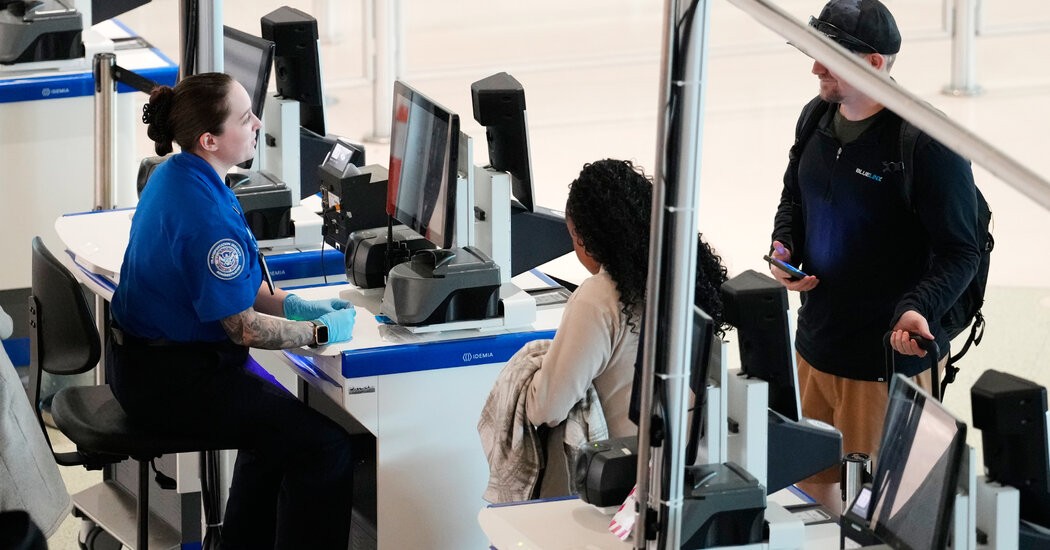
The TSA is currently operating with roughly 50,000 officers working unpaid. Absenteeism rates have surged, hitting over 30% at major hubs like Kennedy (New York) and Hartsfield-Jackson Atlanta (the world’s busiest airport). William P. Hobby Airport in Houston saw the most extreme impact this past weekend, with 55% of officers absent.
This isn’t just about inconvenience. Officers are reportedly taking second jobs to cover bills, sometimes calling in sick to do so, and over 366 have already quit since the shutdown began. The result? Longer security lines : passengers are already facing delays, and the situation is expected to worsen.
The Threat of Airport Closures
According to acting deputy administrator Adam Stahl, the TSA may have to “quite literally shut down airports” – particularly smaller ones – if absenteeism continues to rise. The agency will decide on closures “on a case-by-case basis,” meaning no immediate list exists, but the threat is real. Airports will close if too few officers report for duty to fully staff checkpoints.
“This is going to get worse before it gets better,” Stahl warned in a Fox News interview, predicting three- to four-hour wait times.
The shutdown isn’t just about inconvenience; it’s a direct strain on national infrastructure. The TSA’s ability to maintain security standards is weakening, and the long-term implications for travel safety and economic disruption are significant.
The core problem is unsustainable. Unpaid workers cannot reliably maintain security, and without a resolution, the entire system faces collapse. The current impasse isn’t just political; it’s a logistical crisis with real-world consequences for millions of travelers and the aviation industry.