The global travel landscape is undergoing a series of rapid transformations, ranging from regulatory shifts in Europe to the integration of advanced AI and marine science. As the industry navigates new logistical hurdles and technological disruptions, several key developments are shaping the future of how we move, book, and pay for travel.
✈️ Regulatory Shifts: The EU’s New Travel Framework
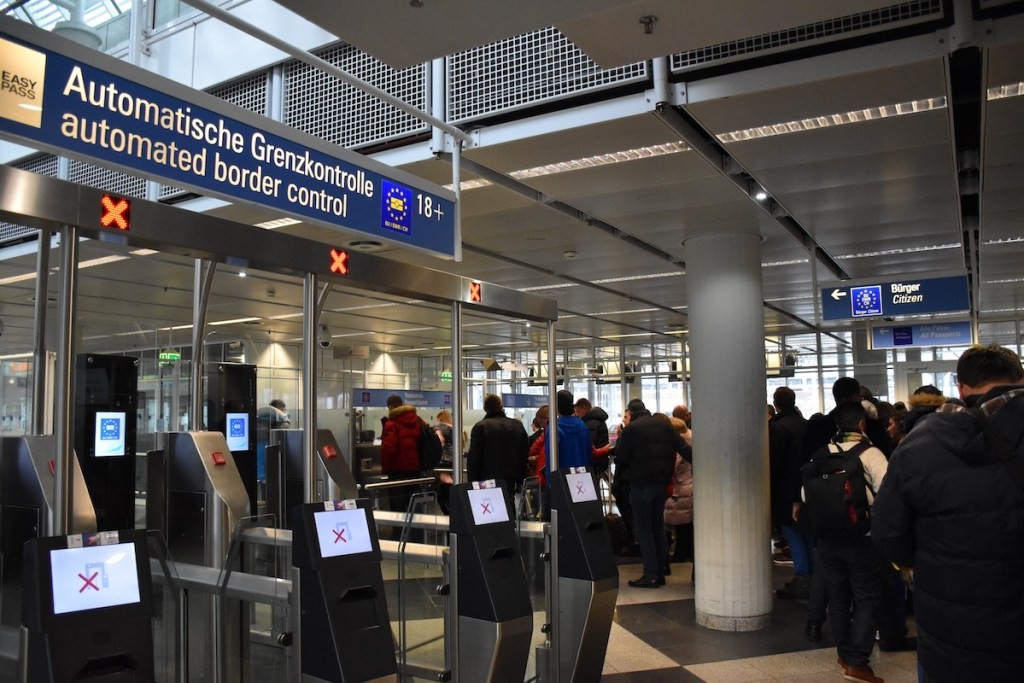
This week marks a significant milestone as new EU travel rules officially come into full effect. While the specific impact depends on the traveler’s origin, these regulations are designed to streamline border crossings and enhance security across the European Union.
The critical question for the industry remains: Are airports prepared? The success of these rules hinges on whether airport infrastructure and staffing can handle the new digital or procedural requirements without causing widespread delays.
🚢 MSC Cruises: Merging Tourism with Marine Science
In Alaska, a region famed for its breathtaking wildlife, MSC Cruises is launching its inaugural season with a scientific twist. Rather than focusing solely on traditional tourism, the cruise line is treating its Alaskan voyages as a mobile research initiative.
By studying high-density wildlife corridors—particularly those inhabited by whales—MSC aims to use marine science to inform its operational decisions. This approach addresses a growing trend in the industry: the need for sustainable tourism that minimizes environmental impact while maximizing the educational value for passengers.
🤖 The AI Revolution: Who is Building the Future of Travel?
The traditional hierarchy of travel technology is being challenged by the rise of Artificial Intelligence. A recent analysis of 170 AI-related job listings reveals a surprising trend: major hospitality players like Marriott are recruiting for highly technical roles that rival those of Online Travel Agencies (OTAs).
This shift suggests that the “tech” in travel is moving away from mere booking interfaces and toward deep, proprietary AI development. As hotel chains build their own sophisticated tech stacks, the gap between traditional service providers and digital-first platforms continues to shrink.
📉 Geopolitical and Economic Risks: Booking vs. Expedia
Not all travel giants are equally vulnerable to global instability. Despite its market strength, Booking.com faces higher risks from the escalating tensions in the Iran war compared to its rival, Expedia.
This vulnerability is a byproduct of Booking’s successful expansion:
– Regional Exposure: Booking maintains a significantly larger footprint in Asia and the Middle East.
– Economic Sensitivity: Booking’s heavy reliance on its European customer base makes it more susceptible to the inflationary pressures currently hitting the Eurozone.
In the travel sector, a company’s greatest strength—its geographic diversity—can often become its greatest liability during geopolitical crises.
💳 The Silent Pillar: Why Payments Matter
While often overlooked, payment infrastructure has become a decisive factor in travel success. A seamless checkout process is no longer a luxury; it is a fundamental component of the customer experience.