The aviation and hospitality sectors are navigating a complex landscape shaped by rising fuel costs, rapid technological changes, and escalating geopolitical risks. Several key developments highlight these converging pressures.
Rising Costs of Sustainable Aviation Fuel (SAF)
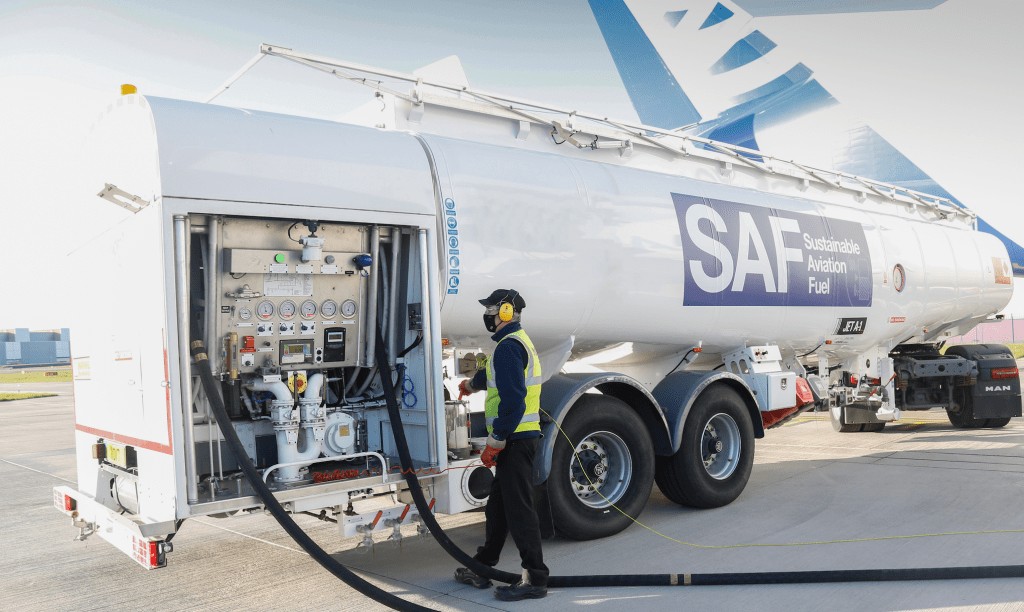
The price surge in greener jet fuel is leaving airlines increasingly vulnerable. As global oil prices fluctuate, the economic viability of SAF – crucial for reducing carbon emissions – becomes more precarious. Airlines face the challenge of balancing sustainability commitments with financial realities. This matters because the long-term transition to SAF relies on stable pricing and scalability, which are now threatened by market volatility.
Modern Retailing in Aviation: Hitit Oxygen’s Role
Airlines are under pressure to adopt modern retailing techniques, including offer-and-order models. Hitit Oxygen provides a platform for testing these strategies in live operational environments. The critical point is that airlines have limited room for error when implementing such changes, as disruptions can severely impact day-to-day operations. This trend reflects the industry’s need to evolve quickly while minimizing risk.
Iran’s Tourism Threat: A Geopolitical Risk
Iran has issued a rare, direct warning that tourist sites worldwide could be targets. This overt threat from a government entity is unusual and signals heightened geopolitical tensions. The implications are clear: tourism-dependent economies face increased security risks, and travel advisories may become more frequent.
Marriott’s New Brand: Trademark Filings Suggest Expansion
Marriott International appears to be preparing for the launch of a new hotel brand, “Matter Hotels,” based on aggressive trademark filings across global markets. This move suggests a strategic expansion beyond its existing portfolio, likely targeting a specific niche or demographic. Trademark filings aren’t guarantees, but the scale of Marriott’s efforts implies serious intent.
The AI Shift in Online Travel Agencies (OTAs)
Despite OpenAI’s retreat from direct checkout functionality, the underlying impact of AI on trip discovery remains significant. OTA investors initially celebrated the reversal, but missed the broader trend: AI is fundamentally reshaping how travelers find and book trips. This means OTAs must adapt to remain competitive, even if direct checkout isn’t the immediate future.
In summary, aviation and hospitality are converging around challenges of cost, technology, and security. Airlines and hotels must navigate these pressures strategically to remain viable in an evolving landscape. These trends indicate a period of both innovation and