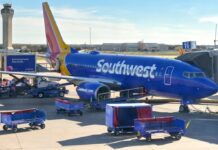
For the first time, I achieved top-tier status with two airlines in a single year: American Airlines (AAdvantage Executive Platinum) and United Airlines (Premier 1K). This was thanks to a strategic status match, a method where elite status from one program is leveraged to gain equivalent status in another. After years of loyalty to American, I decided to critically assess whether it still aligned with my travel priorities – and ultimately concluded that United offered a better fit.
The Status Match Process: A Step-by-Step Breakdown
In May 2025, I applied for United’s status match using my American Executive Platinum status, instantly receiving Premier 1K status. The catch? A qualifying flight within 90 days was required to activate the benefit for 120 days. This meant completing at least 20 Premier Qualifying Flights (PQFs) and earning 7,500 Premier Qualifying Points (PQPs) within that timeframe.
To expedite the process, I focused on paid first-class domestic flights, acknowledging that rebooking international trips on United would have been more efficient. The match was secured with 19 days to spare.
Evaluating Loyalty Programs: Key Criteria
My decision hinged on several factors: complimentary upgrades, early boarding groups, redeemable miles earned, free extra-legroom seats, dedicated service, and airline alliance status. Each carries weight, but the relative importance varies by traveler.
Complimentary Upgrades: While American has a large pool of Executive Platinum members competing for upgrades, United seemed to offer a higher probability of success, particularly from smaller airports. Testing this in Montreal, I was upgraded on three out of four legs, suggesting a greater chance of securing complimentary upgrades with United.
Early Boarding Groups: I prioritize carry-on luggage, making priority boarding crucial. American’s Group 1 has become crowded, requiring premium cabin purchases for guaranteed overhead space. United Premier 1K preboarding offers a significant advantage, particularly on narrow-body aircraft like the Embraer 175, where overhead space is limited.
Redeemable Miles: Both programs offer 11 miles per dollar spent on top-tier status, but American generally provides lower-priced award tickets, giving it a slight edge. However, United’s partnerships with Air Canada’s Aeroplan program and recent mileage earning rate changes (beginning April 2, 2025) are making it more competitive.
Extra-Legroom Seats: Both airlines offer free extra-legroom seats, but United’s felt more spacious in practice. This is especially important given my past medical history.
Service and Alliance Status: Dedicated service desks were equally effective, and both airlines confer valuable alliance status – Oneworld Emerald (American) and Star Alliance Gold (United).
The Verdict: United Emerges as the Winner
After thorough evaluation, United Premier 1K proved superior in several key areas: complimentary upgrades, early boarding, and extra-legroom comfort. American still excels in award ticket pricing, but United’s recent changes, including enhanced earning rates for United-branded cardholders (16 miles per dollar spent vs. 11), solidify its position as my preferred loyalty program for now.
The airline landscape is dynamic. Continuous monitoring of program changes is essential. As of April 2, 2025, United’s new earning structure makes it the more attractive choice, at least for the short term.