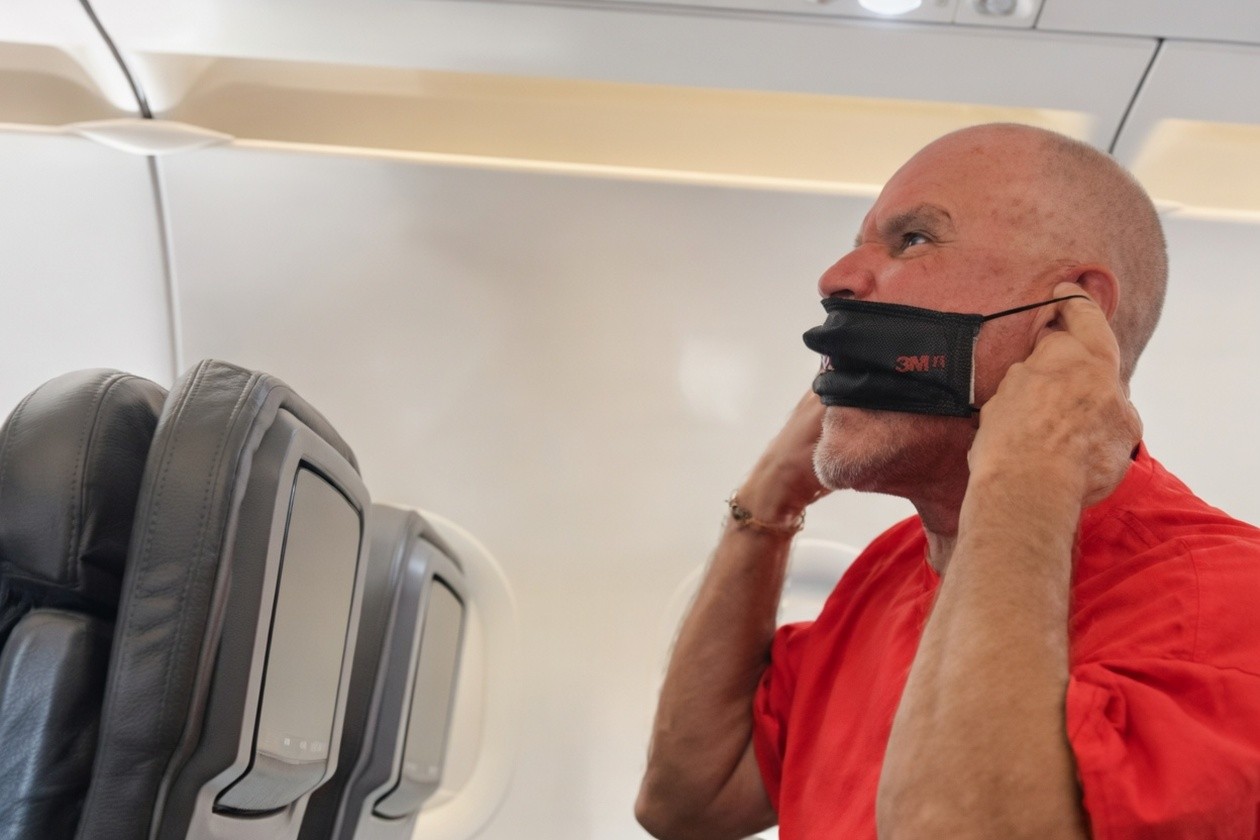
The White House has included specific language in its proposed budget for the Department of Transportation that seeks to permanently prohibit the use of federal funds to enforce COVID-19 mask mandates. While the federal transportation mask mandate officially ended on April 18, 2022, following a federal court ruling, this new legislative language aims to ensure such requirements cannot be reinstated through future funding.
The Legislative Language
The proposed budget includes two key provisions aimed at preventing the return of pandemic-era restrictions:
- Section 416: Explicitly states that no funds appropriated for the Department of Transportation for fiscal year 2027 may be used to enforce a mask mandate in response to the COVID-19 virus.
- Section 743: A broader, government-wide provision that prohibits the use of any funds to “implement, administer, or enforce” any COVID-19 mask or vaccine mandates.
It is important to note that these provisions are highly specific to the COVID-19 virus. They do not preclude the government from implementing mandates in response to future, different pathogens.
Why This Matters: The Lingering Legal and Social Aftermath
At first glance, a ban on mandates that have not been in effect for years might seem redundant. However, the move highlights how deeply the pandemic continues to impact legal and political landscapes.
The persistence of these issues is evidenced by recent litigation. For example, a recent appeals court ruling required United Airlines to face a class-action lawsuit regarding religious discrimination stemming from its 2021 vaccine mandate. This suggests that even as the public health emergency wanes, the legal battles regarding corporate and federal mandates are still very much alive.
The Context of Air Travel Friction
The debate over masks in aviation was uniquely volatile compared to other sectors. Several factors contributed to this friction:
- Policy Discrepancies: The federal mandate was often seen as less stringent than individual airline policies, requiring more exemptions and accommodations.
- Effectiveness vs. Perception: While aircraft cabins utilize high-efficiency HEPA filtration systems that mitigate much of the risk, the mandate became a symbol of control for many passengers.
- Passenger Behavior: The era of mandates saw a significant spike in “unruly passenger” incidents. Airlines struggled with enforcement, leading to varying approaches: some airlines focused on strict enforcement and removals, while others, like United, prioritized de-escalation training to avoid the high-profile physical altercations that characterized the early pandemic.
The Political Dimension
Beyond public health, these budget provisions are deeply political. In the current landscape, taking a hard stance against mask mandates serves as a signal to a specific political coalition. By codifying these bans, the administration is effectively “locking in” a policy position that aligns with the preferences of its base, ensuring that even if public health guidance shifts, the legislative barrier remains.
The move to ban these mandates is less about current health needs and more about establishing a permanent legislative precedent to prevent future administrative overreach.
Conclusion
By targeting the funding mechanisms of the Department of Transportation, the White House is attempting to close the door on pandemic-era mandates for good. This move reflects a broader effort to settle long-standing social and political tensions through formal budgetary restrictions.