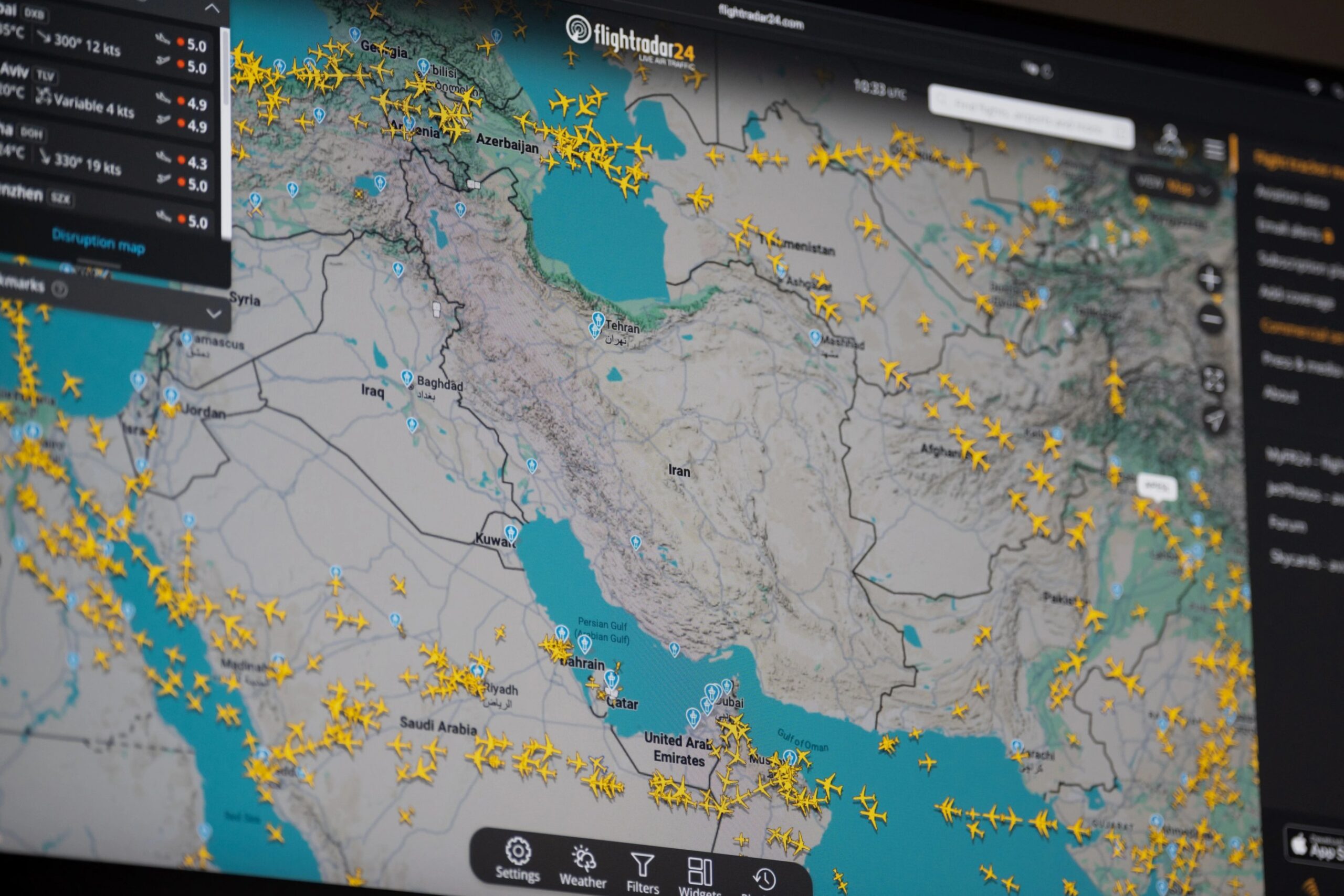
Escalating tensions in the Middle East are poised to drive up airfares, as disruptions to oil supplies ripple through the global airline industry. Following a weekend of heightened conflict involving the U.S., Israel, and Iran, major airlines across the Persian Gulf have suspended scheduled services, with limited cargo and repatriation flights resuming only now.
Geopolitical Impacts on Travel
The current crisis extends beyond immediate flight cancellations. The Strait of Hormuz, a critical artery for global oil transport – handling over 14 million barrels daily – is facing significant uncertainty. A prolonged disruption could choke supply, sending oil prices soaring. As of Tuesday, oil jumped over 10%, reaching $75 per barrel.
This isn’t simply about oil; it’s about how airlines operate. Fuel represents roughly one-third of their total costs, making it the second-largest expense after labor. Historically, when oil prices surge, airlines pass those costs onto passengers, typically with a 2–3 month lag. The last time this happened—during Russia’s invasion of Ukraine in 2022—airlines increased fares by $15–$20 per ticket.
The Airline Response: Premium vs. Budget
The way airlines respond will vary. Full-service carriers with premium cabins (first, business, and premium economy) are likely to absorb fuel costs through higher fares in those sections, protecting economy class from immediate increases. However, budget airlines, lacking this cushion, may be forced to raise prices across all fare classes.
“If oil prices climb to $100 or so per barrel and stay there, it could be really problematic for airlines,” warns Henry Harteveldt, a travel industry consultant. The duration of the conflict and the length of any oil supply disruption will determine the extent of the price increases.
Travel Demand Resilience
Despite these risks, travel demand has proven surprisingly resilient in recent years. Consumers continue to prioritize travel even amid economic shocks. However, sustained high fuel costs could eventually force some travelers to postpone or cancel trips over safety concerns and budget constraints.
Conclusion
The Middle East conflict is already disrupting air travel, and the potential for higher flight prices looms large. The final impact depends on how long the crisis lasts and how severely global oil supplies are affected. While some airlines may shield economy travelers, budget carriers could be hit hardest, forcing broader price increases.