


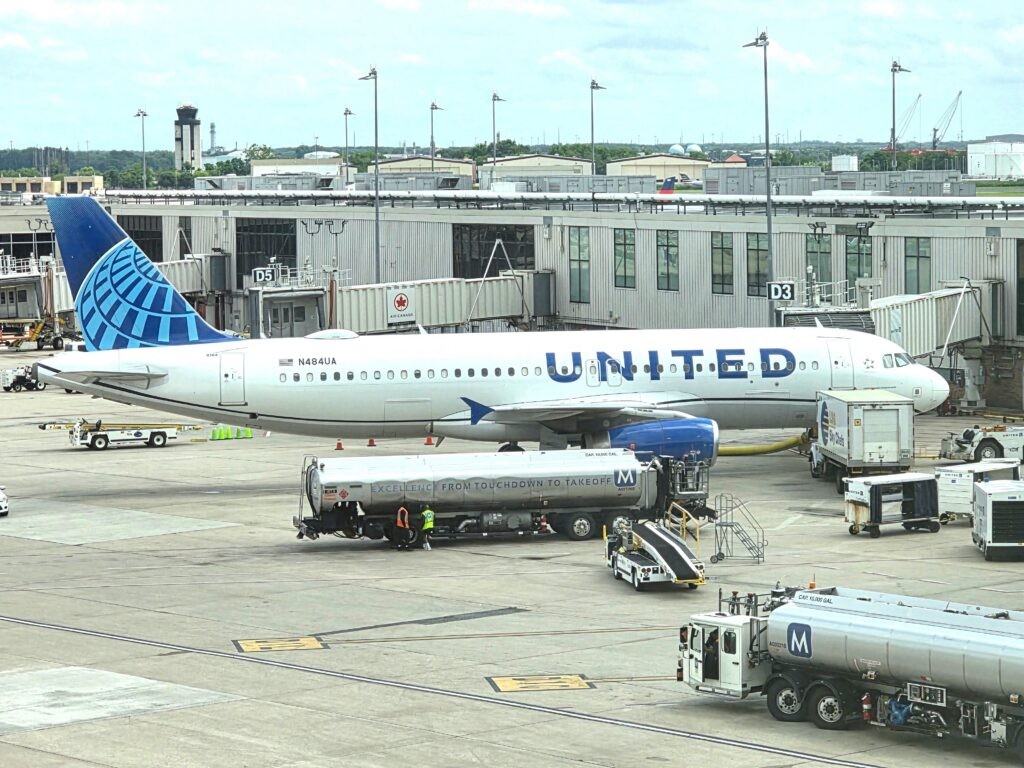
After a grueling five-and-a-half years without a raise, United Airlines flight attendants are on the verge of securing what could be the highest pay in the industry. The union, AFA-CWA, and the airline have announced significant progress in negotiations, leading to the postponement of planned protests. This breakthrough comes after a tentative agreement was rejected by 71% of members, signaling dissatisfaction with how initial funds were allocated.
The Long Road to a New Contract
The current contract became negotiable in August 2021, but talks were delayed by the pandemic and, surprisingly, by the union itself. The AFA-CWA strategically waited for American Airlines’ flight attendants to finalize their new contract first, aiming to set a higher standard for their own bargaining. This calculated move—even involving lending their chief negotiator to the rival union—demonstrates a focused, if unorthodox, approach.
Why This Matters: Inflation and Labor Leverage
The delay in raises has eroded the real value of flight attendants’ pay by over 20% due to inflation. This underscores a broader trend: labor groups are increasingly prioritizing wage increases in response to rising costs of living. The United negotiations are a high-profile example, and the outcome will likely influence other airline labor talks. The fact that the union initially misread its members’ priorities highlights the challenge of balancing collective bargaining with individual preferences.
Key Progress and Remaining Issues
Recent negotiations have made “significant progress,” with both sides expressing optimism about finalizing an agreement during the March 24-27 session. The airline has promised signing bonuses and a commitment to industry-leading pay at all levels. A key area of focus is “sit pay”—compensation for time spent waiting at airports—which flight attendants have prioritized.
However, the deal is likely to involve trade-offs. The union previously stated that the contract’s total cost was already maximized, suggesting that gains in one area may come at the expense of others. For example, while sit pay is on the table, improvements to layover hotel conditions may be less certain.
The Bigger Picture
The imminent agreement could also shift the competitive landscape between airlines. American Airlines CEO has previously pointed to United’s lower labor costs as an advantage. A new, expensive contract for United flight attendants would remove that talking point, potentially forcing other airlines to adjust their own labor strategies.
If this deal delivers on its promise of industry-leading pay, it will set a new benchmark for flight attendant compensation across the board.
The final session in March is expected to finalize the details, bringing an end to a long and contentious negotiation process. This agreement not only secures better compensation for United’s flight attendants but also signals a broader shift in airline labor dynamics.


