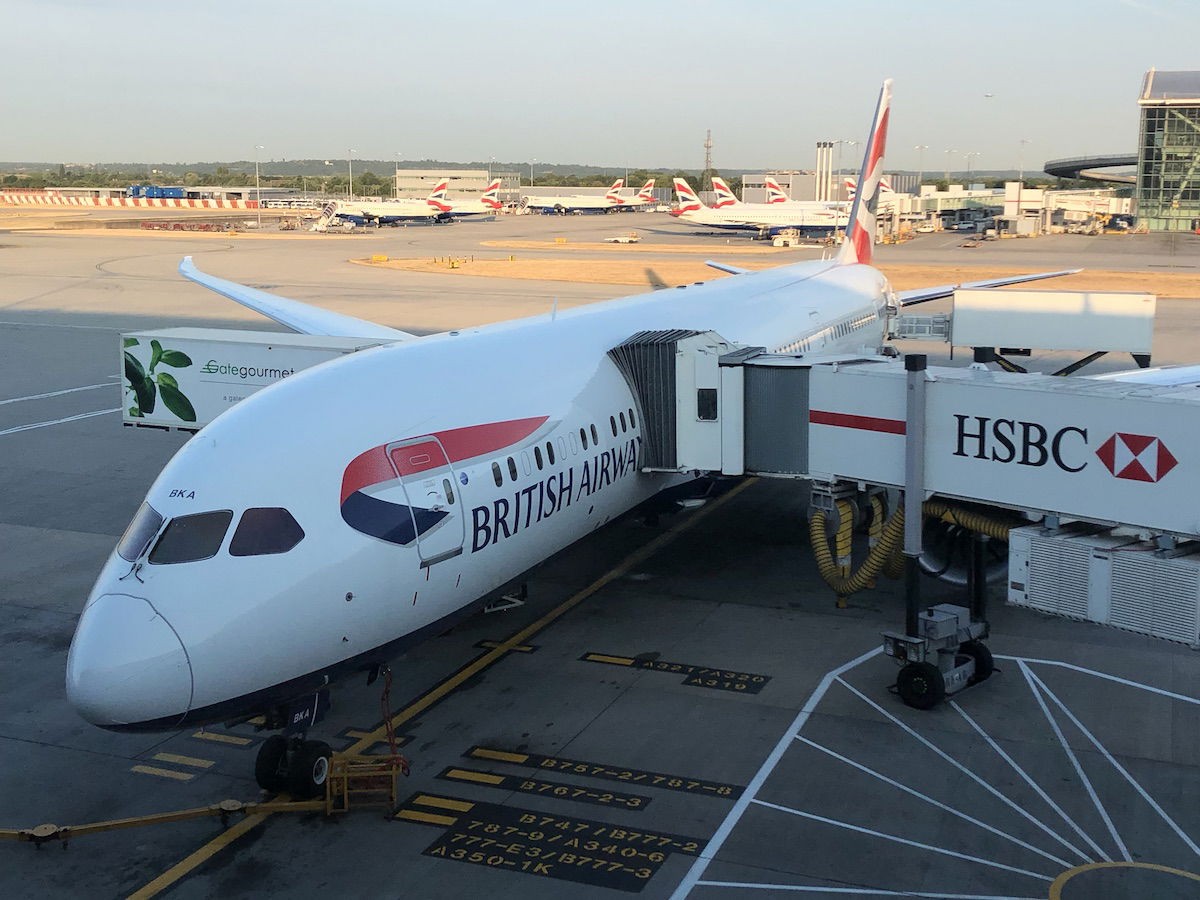
British Airways is shifting its long-standing Tampa (TPA) service from London Gatwick (LGW) to London Heathrow (LHR) beginning October 25, 2026. This move represents a significant upgrade for passengers, despite a reduction in overall seat capacity. For over four decades, BA has served Tampa, and this change marks a pivotal shift in how the airline connects Florida’s Gulf Coast to its global network.
Why This Matters: Heathrow’s Strategic Advantage
The transition from Gatwick to Heathrow is not merely a change of airport; it fundamentally alters the utility of the route. Gatwick primarily serves leisure destinations, limiting connections for passengers beyond a handful of sun-soaked resorts. Heathrow, however, is a major international hub, opening up seamless connections to business and leisure destinations worldwide.
The implications are clear : travelers from Tampa gain access to a vastly expanded network, including key cities like Delhi, Frankfurt, and Johannesburg, which were previously inconvenient or impossible to reach via a Gatwick connection. This shift aligns the Tampa route with BA’s core strategy of leveraging its Heathrow hub for maximum connectivity.
The Aircraft Change: Modernization and Capacity
Currently, British Airways operates the Tampa route with a Boeing 777-200ER, a dated aircraft with 332 seats across three cabins. As of late 2026, the airline will deploy the newer, more efficient Boeing 787-10. This aircraft features a four-cabin layout with 256 seats, including eight first class seats (currently blocked and likely for business class upgrades), 48 business class seats, 35 in premium economy, and 165 in economy.
While the switch reduces weekly capacity from 2,324 seats to 1,280, the trade-off is a superior passenger experience. The 787-10 offers lie-flat business class suites and a more modern cabin overall. This modernization addresses a long-standing issue with the route, where the older 777 cabins felt out of step with BA’s premium offerings elsewhere.
Competition and Load Factors
British Airways will become the second airline to serve the Heathrow-Tampa route, joining Virgin Atlantic, which launched its service in 2022. The shift to Heathrow may also improve load factors, as the Gatwick route historically relied heavily on point-to-point leisure travelers.
The key takeaway : By focusing on connections through Heathrow, BA can attract a wider range of passengers, including those originating in the US and seeking access to international destinations.
First Class Potential and Future Growth
Currently, British Airways is not selling first class seats on the Tampa route, despite including them on the 787-10. The airline may eventually offer first class availability, capitalizing on demand from high-value travelers.
This is a strategic move that enhances passenger options and aligns BA’s Tampa service with its premium brand image. The change signals a long-term commitment to the route and its potential for growth within the broader global network.
In conclusion, the British Airways shift to Heathrow represents a net positive for Tampa travelers, providing better connectivity, a more modern aircraft, and a stronger foundation for future route expansion.