Wooden pegs hold it together.
Literally. Bramall Hall sits in the Bramhall district of Stockport, UK. Notice the spelling? It’s tricky. The name has shifted enough over the centuries to confuse historians and tourists alike.
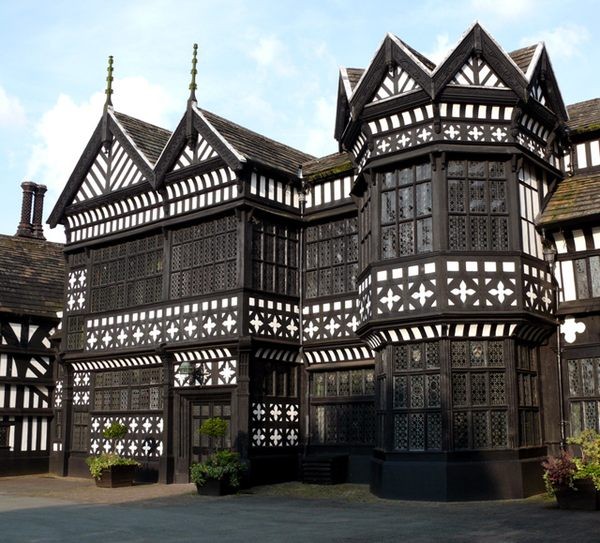
This isn’t some pristine museum piece behind glass. It’s a Tudor manor, heavy with timber, joints locked by mortice and tenon. The gaps? Wattle and daub. Dirt and straw packed in tight. It feels raw. Authentic.
Who Built It, And Why
The Davenport family raised the house as we see it now. Sixteenth century.
But go deeper. Peel back the layers. Parts of it stretch back to the fourteenth century. Even older, the land itself was carved up by William the Conqueror. Eleventh century. He took two Saxon manors, crushed them together, and handed the deed to a Norman friend. Typical power play.
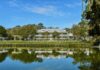
Now it belongs to the people. Since 1935, a local authority owned the place. By 1974, it folded into the Stockport Metropolitan Borough Council. You can walk the 50 acres of parkland for free. No ticket booth. Just air, grass, and history.
Still Standing
It looks like Little Moreton Hall twenty miles down the road. Close, yes.
But Moreton is breaking down. Structural subsidence from clumsy internal changes is pulling it apart. Bramall? It’s intact. Stubborn, even. It hasn’t given in.
Only two similar carpets exist in the entire world. This one is still on the table it was meant for.
That’s rare. That’s lucky.
Inside The Walls
Walking through is like walking through a timeline.
The rooms aren’t themed for aesthetics alone. They’re furnished from different eras, stretching from the sixteenth all the way to the twentieth. It shows you how people actually lived, not how a decorator wishes they did.
The Solar stands out. A big reception room. Made by smashing smaller rooms together to make something grander. Practical. Efficient.
Then the beds.
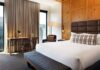
Some were simple cots for the servants. Hard wood, thin mattresses. Others? Four-posters dripping in ornate hangings. Rich fabric, heavy drapes. The divide is sharp. You see who ate meat and who ate pottage.
And that Elizabethan embroidered heraldic carpet. Seventeen feet long, seven feet wide. They made it for a table. Not the floor. The table is still here. The carpet sits on it, just like they planned five hundred years ago.
Royal Visits
In 1910, the crown noticed the place.
The Lord Lieutenant of Cheshire picked Bramall Park to announce the accession of King George V. Proclaiming a new king on this patch of green grass. It lent the estate a certain cultural weight. A nod of respect.
But really? It’s the timbers that tell the real story.
They’re dark now. Twisted by time. The wooden pegs are swollen tight.
We look at the house and think about preservation. About saving the past.
But what if the house just keeps going? What if we’re the temporary guests, passing through the 14th to 20th century snapshot, while the wood remembers every nail hammered?
The park is open.
Walk around. Touch the walls. Feel how cold the stone is compared to the warmth of the timber frame.
Don’t worry about the spelling of Bramall. Just walk in.