The U.S. federal government has entered a partial shutdown as lawmakers failed to agree on funding measures. While this situation is familiar, travelers are right to ask what it means for their plans. The immediate impact is uncertain, but history suggests potential disruptions at airports and border crossings.
TSA Operations and Potential Delays
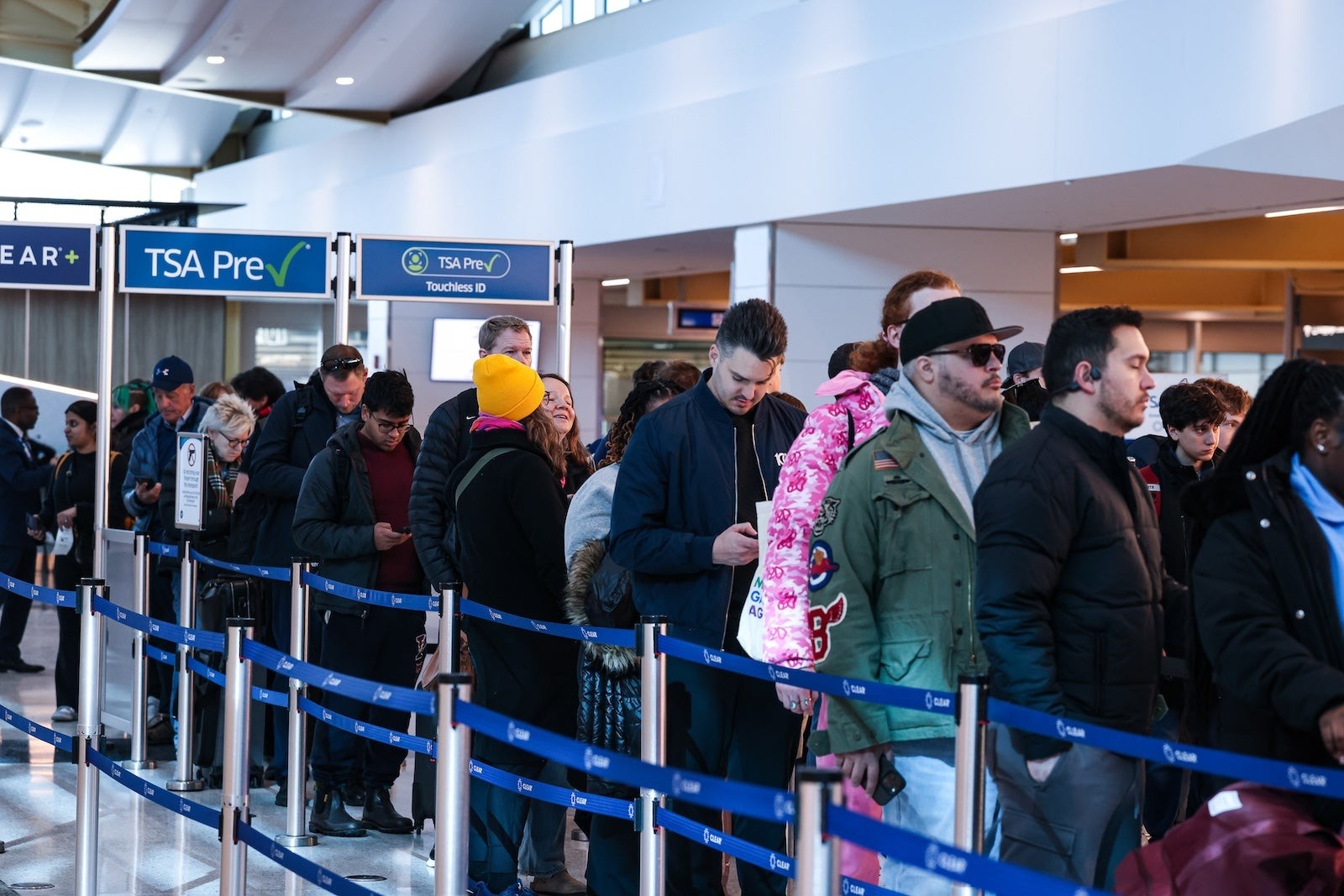
The Transportation Security Administration (TSA), a key component of airport security, is operating with 95% of its staff classified as “essential.” This means checkpoints will remain open, but officers are once again being asked to work without guaranteed pay. Past shutdowns, notably the extended one in late 2018-early 2019, revealed that extended periods of unpaid work can lead to increased sick calls and staffing shortages, resulting in longer wait times. For example, Houston airports experienced significant security backups during that period, though overall, most checkpoints functioned.
The core issue isn’t closure of facilities, but rather the sustainability of consistent staffing under duress. The longer the shutdown lasts, the higher the risk of delays.
Customs and Border Control Impacts
U.S. Customs and Border Protection (CBP) officers, also part of the Department of Homeland Security, are similarly affected. Wait times at passport control could increase as these workers also operate without pay. Travelers entering the U.S. should prepare for longer lines, particularly at international hubs.
Air Traffic Control and Flight Stability
Unlike previous shutdowns, air traffic control is currently unaffected. Congress has already funded the Department of Transportation and the Federal Aviation Administration (FAA). This means air traffic controllers and other critical aviation personnel will continue to be paid, avoiding the mass work absences seen during the last major shutdown, which caused widespread flight cancellations.
National Parks and Landmarks Remain Open
National parks and federally funded landmarks (such as the Smithsonian museums) will stay open, as the Department of the Interior has secured funding. This is a notable difference from some past shutdowns where these attractions closed due to staffing shortages.
What Travelers Should Do Now
- Monitor Airport Reports: Check for updates on TSA and CBP operations at your departure airport.
- Arrive Early: Allow extra time, especially if traveling internationally.
- Follow Social Media: Airport accounts often provide real-time alerts.
- TSA PreCheck/Global Entry: If enrolled, use expedited screening programs, including the new TSA PreCheck Touchless ID, where available.
- Mobile Passport Control: For international arrivals, consider using the free Mobile Passport Control app to bypass standard passport lines.
Long-Term Implications
The TSA faces a growing staffing crisis. A recent report to Congress revealed that the last shutdown caused a 25% increase in employee departures, hindering the agency’s ability to prepare for major events like the FIFA World Cup hosted in the U.S. this summer. The TSA’s acting administrator warned that another shutdown would exacerbate this issue, potentially leading to more severe security backups.
The sustainability of essential services under prolonged unpaid work conditions remains the central concern. The longer the stalemate continues, the more likely disruptions become.
The current shutdown is smaller in scope than previous ones, but travelers should stay informed and prepared for possible delays, especially if the impasse drags on.