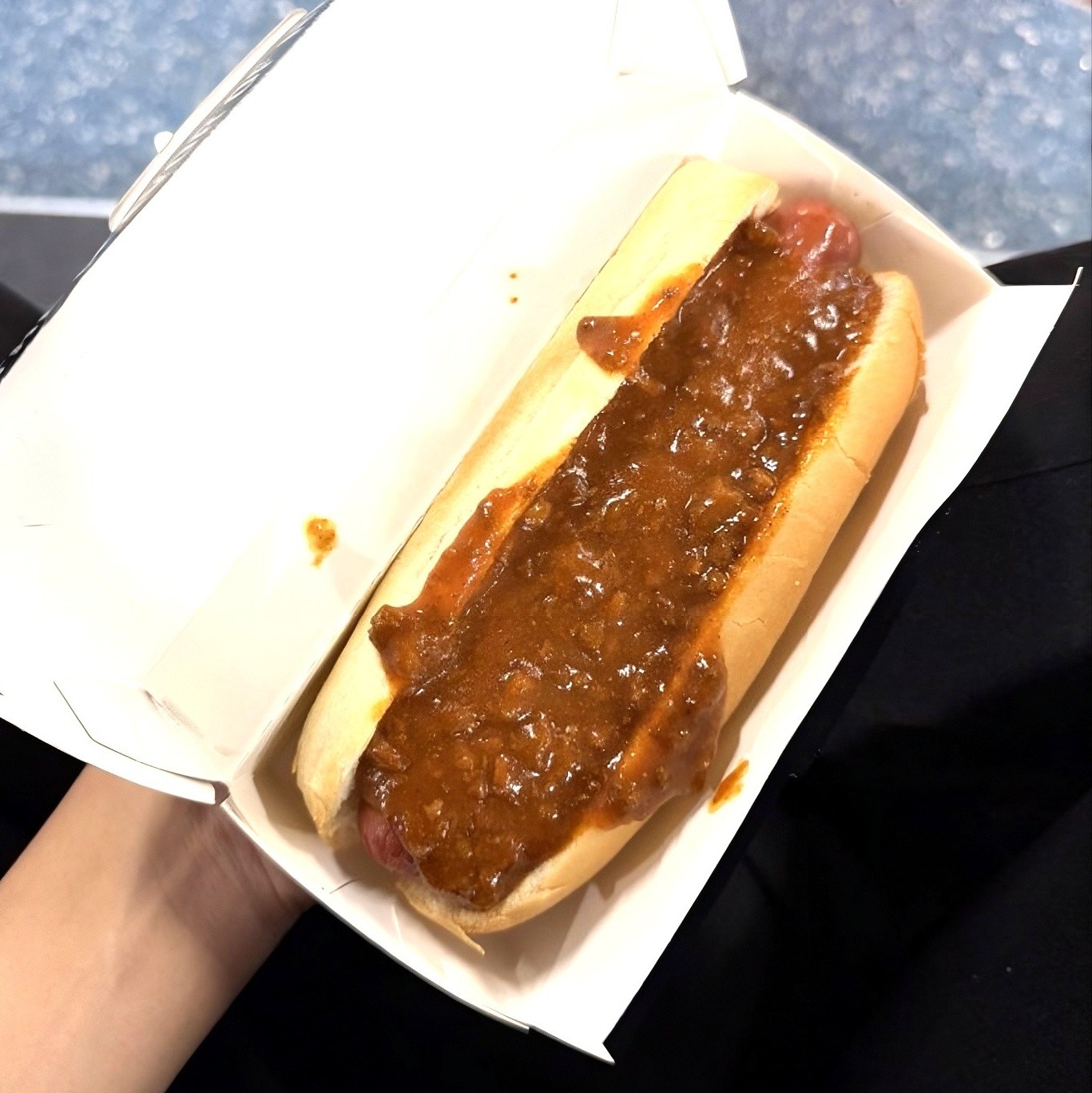
Eating certain foods before or during a flight can be a recipe for disaster, and chili stands out as one of the worst offenders. The issue isn’t just about taste; it’s about the physiological effects of air travel combined with gas-producing foods.
The Science Behind In-Flight Gas
The human body naturally produces gas – around ten times a day on average. However, changes in cabin pressure during flight exacerbate this process. Lower air pressure causes gases in the body to expand, leading to increased bloating and flatulence. Foods high in sulfur, like beans (especially in chili), worsen the problem, as sulfur is a primary component of the resulting odor.
The impact is especially noticeable in aircraft cabins with leather seats, which don’t absorb odors as effectively as fabric upholstery. Airlines have even exploited this phenomenon – one company strategically served chili during labor negotiations to keep flight attendants indoors, away from picket lines.
Beyond Chili: Other Foods to Avoid
Chili isn’t the only culprit. Other foods known to cause excessive gas include:
- Fried foods
- Cabbage
- Broccoli
- Brussels sprouts
If you must eat these before flying, consider over-the-counter remedies like Gas-X or Beano.
Extreme Cases and Security Considerations
The issue extends beyond discomfort. Passengers have attempted to bring onboard highly odorous foods, such as open cans of tuna (which can bypass security if sealed) or even full meals of ribs, fries, and corn.
In extreme cases, strong odors have forced emergency landings. Once, flatulence from goats on a Singapore Airlines flight triggered an unscheduled stop. The risk is real.
The Bottom Line
Avoiding gas-producing foods before and during air travel is essential for a comfortable flight. Chili, in particular, should be skipped altogether. Prioritizing digestive health can make all the difference between an enjoyable journey and a smelly ordeal.