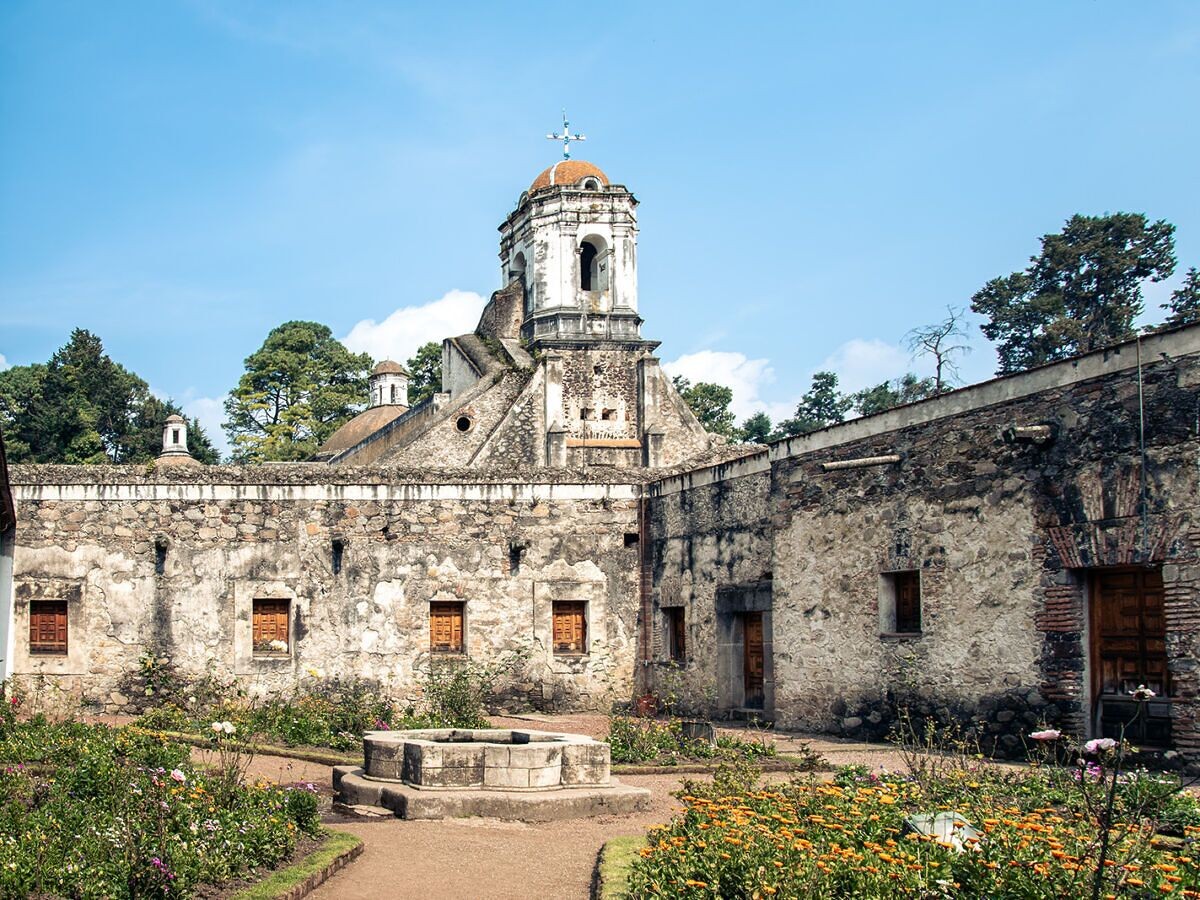
Desierto de los Leones National Park, located just west of Mexico City, offers a remarkable escape into high-altitude forest within city limits. Covering approximately 4,611 acres in the Sierra de las Cruces, the park provides a rare blend of natural beauty and historical significance, making it a compelling destination for both locals and tourists.
A History Rooted in Preservation
The park’s origins trace back to the late 19th century when it was established as a forest reserve. It was later formally designated a national park in the early 20th century, widely considered Mexico’s first. This early recognition highlights the growing awareness of the need to protect natural spaces, even amidst rapid urbanization. Today, it serves as one of Mexico City’s most vital green lungs, providing cleaner air and recreational opportunities for millions.
The Ex Convento: History and Mystery
At the heart of the park stands the 17th-century Ex Convento del Desierto de los Leones, a former Carmelite monastery that has been meticulously restored after earthquake damage. Visitors can explore the monastery’s cloisters, gardens, and subterranean passages, including the Capilla de los Secretos, known for its unique acoustics. The convent also hosts theatrical performances that dramatize its folklore, adding a cultural dimension to the natural experience.
Trails and Activities
Desierto de los Leones offers a variety of trails, ranging from gentle streamside loops to steeper routes toward Cerro San Miguel. The park is open to mountain biking, trail running, and horseback riding on designated paths. The elevation – between 8,530 and 12,139 feet – ensures cooler temperatures than the city below, making it a refreshing retreat.
Practical Considerations
The park is easily accessible from Mexico City by car or rideshare via the Mexico–Toluca highway. It opens around 6 AM and closes in the late afternoon, while the ex-convent has shorter operating hours and is often closed on Mondays. Confirming hours before visiting is advisable. Despite its name, the park is neither a desert nor inhabited by lions; the name likely originates from early Spanish settlers who encountered pumas (now extinct in the area).
Desierto de los Leones is a testament to the possibility of preserving nature within urban landscapes. It’s a reminder that wilderness experiences don’t always require long journeys.
This park provides a unique opportunity to experience high-altitude forest, historical architecture, and cultural immersion just minutes from one of the world’s largest cities.