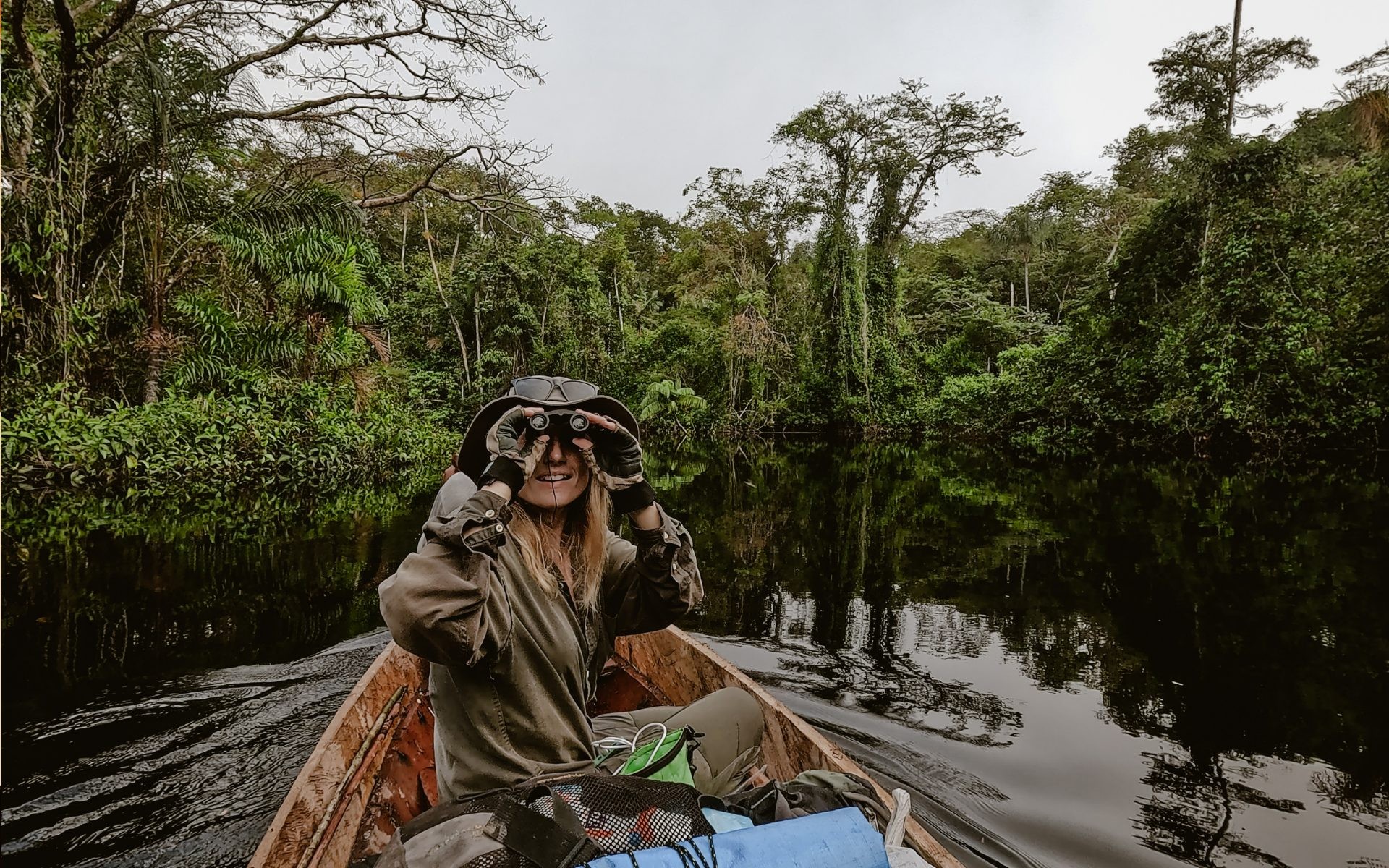
A team of explorers recently completed the first documented descent of the Rio Cuiuni, a previously unmapped tributary in Brazil’s Amazon rainforest, uncovering a surprisingly robust population of endangered Amazon river dolphins (known locally as Botós ). The expedition, led by marine scientist Charlie Young and French explorer Alexis Girard D’Hennecourt, confirms that remote, undisturbed waterways remain critical strongholds for this vulnerable species.
The Search for a Lost Connection
For nearly a decade, D’Hennecourt was driven by 19th-century explorer Jules Crevaux’s accounts of a hidden waterway linking the Rio Japura and Rio Negro. These rivers, running parallel through northern Brazil, were said to connect at high water levels. In 2024, the team set out from the town of Maraã to verify Crevaux’s claim, aiming to navigate the illusive Rio Cuiuni and document its course.
The journey was far from simple. The Amazon Basin was experiencing its worst drought in recorded history, leaving critical waterways shallow and forcing the team to abandon their initial plan of traversing the river by boat. Instead, they embarked on a 37-mile trek through dense jungle, relying on faded hunting trails and satellite tracking to reach the river.
A Grueling Trek and an Unexpected Reward
The expedition was physically taxing, with the team facing challenges ranging from jaguar tracks to relentless insect bites. They eventually built a dugout canoe, christened Ainora, using local techniques and materials, even patching leaks with ripped jeans and tree resin.
As they paddled deeper into the uncharted territory, the explorers noticed a striking abundance of wildlife, including howler monkeys and caimans. But it was the frequent sightings of pink river dolphins that truly stood out.
A Species at Risk, Found Thriving
Amazon river dolphins, the largest of their kind, are classified as Endangered due to overfishing, deforestation, and climate change. Recent studies indicate a dramatic decline in their numbers—a 52% population loss over the past 30 years, including 330 dolphins lost in just three weeks during the 2023 droughts.
The Rio Cuiuni, however, appears to be a rare exception. The team observed nearly 100 dolphins in just ten days, confirming that these remote waterways serve as vital refuges for the species. As Young noted, “Rivers like these are an oasis for these animals… They are their strongholds.”
Implications for Conservation
The expedition’s success provides critical data for conservation efforts. The Rio Cuiuni’s healthy dolphin population underscores the importance of protecting undisturbed river systems in the Amazon. With over 37,000 miles of protected river already designated, preserving these remote waterways is paramount to ensuring the species’ survival.
The Ainora canoe has since been donated to a local family, and the team plans to continue exploring, with Young setting her sights on research in the Arctic. The discovery on the Rio Cuiuni serves as a powerful reminder that even in the face of widespread environmental degradation, pockets of thriving biodiversity can still be found—and protected.