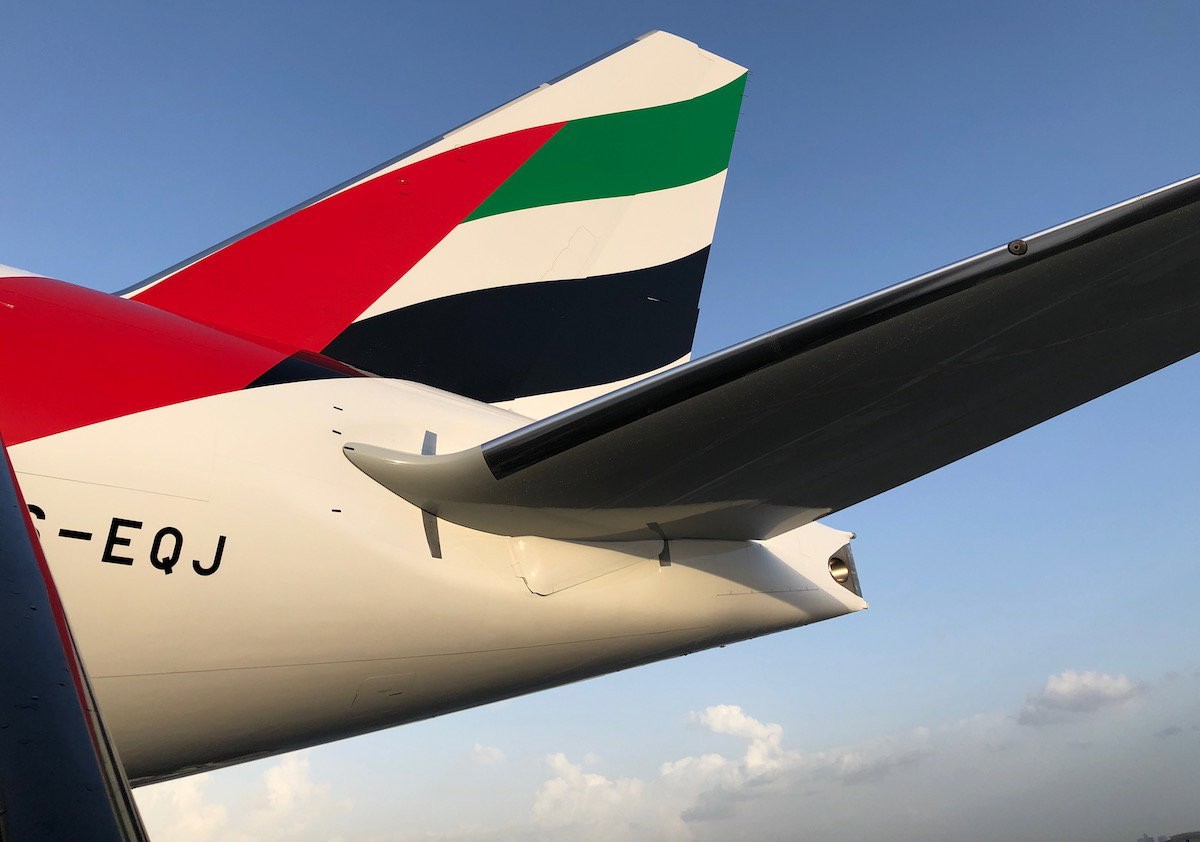
Emirates Group has announced a substantial profit-sharing bonus for its entire workforce, equivalent to 20 weeks of basic salary. This generous payout follows the airline’s report of a record $6.6 billion profit for the most recent financial year, marking the second consecutive year it has held the title of the world’s most profitable airline.
The move underscores a significant trend in the aviation industry: while global travel faces ongoing volatility, major carriers—particularly in the Gulf region—are leveraging strong financial performance to retain talent and boost morale through unprecedented compensation packages.
Unprecedented Compensation in the Aviation Sector
The decision to distribute a bonus equal to roughly 38% of an employee’s basic salary is rare in the airline industry. Historically, profit-sharing schemes vary widely, but few carriers match the scale of Emirates’ rewards.
To understand the magnitude of this payout, it helps to compare it with historical data and competitors:
- Emirates’ History: Bonuses have fluctuated based on performance. After a period of no payouts during the pandemic and pre-pandemic challenges, the airline awarded 24 weeks of salary in 2022–2023. The subsequent year saw a 22-week bonus, followed by the current 20-week award.
- Competitor Comparison: In the United States, Delta Air Lines’ profit-sharing formula resulted in a payout equivalent to just 8.9% of pay for the same period. The only airline to exceed Emirates’ recent generosity was Singapore Airlines, which offered a 32-week salary bonus a few years ago.
It is important to note that for many flight crew members, “basic salary” represents only a portion of their total income, as hourly flying pay is calculated separately. However, a 20-week bonus on the base component remains a significant financial injection.
Strategic Context: Resilience and Growth
The bonus is not merely a reward for financial success; it is also a strategic acknowledgment of the workforce’s resilience during complex operational periods. In a message to staff, Emirates CEO Sheikh Ahmed bin Saeed Al Maktoum highlighted the team’s bravery and commitment during challenging times.
“March 2026 will fade into memory, but we will never forget your bravery and incredible resilience… To all critics who believe Dubai and the Emirates Group are in decline, we’ve heard this before and proved them wrong every time. We’re coming back bigger, better and bolder as we always do after a crisis.”
This sentiment aligns with the airline’s broader operational strategy. Despite market skepticism, Emirates continues to expand its fleet, take delivery of new aircraft, and proceed with retrofit programs. The generous payout serves to reinforce employee investment in this growth trajectory, particularly in a labor market where many staff members are expatriates supporting families abroad.
Why This Matters for the Industry
The Emirates bonus highlights a distinct divergence in labor practices between Western and Gulf carriers. While many Western airlines rely on union-negotiated agreements with fixed profit-sharing formulas, Gulf carriers often operate without traditional unions. Instead, they use discretionary, high-value bonuses to maintain high morale and reduce turnover.
This approach challenges the narrative that non-unionized environments inherently disadvantage workers. By tying significant financial rewards directly to corporate profitability, Emirates creates a direct incentive for employees to support the airline’s success. For the 130,000 employees involved, these payouts are not just perks; they are material contributions to their household incomes, often serving as primary support for families in their home countries.
Conclusion
Emirates’ 20-week salary bonus reflects a dual strategy: rewarding record-breaking financial performance while reinforcing a culture of loyalty and resilience. As the airline positions itself for continued expansion, this generous profit-sharing model sets a high benchmark for employee compensation in the global aviation sector, even as future economic conditions remain uncertain.