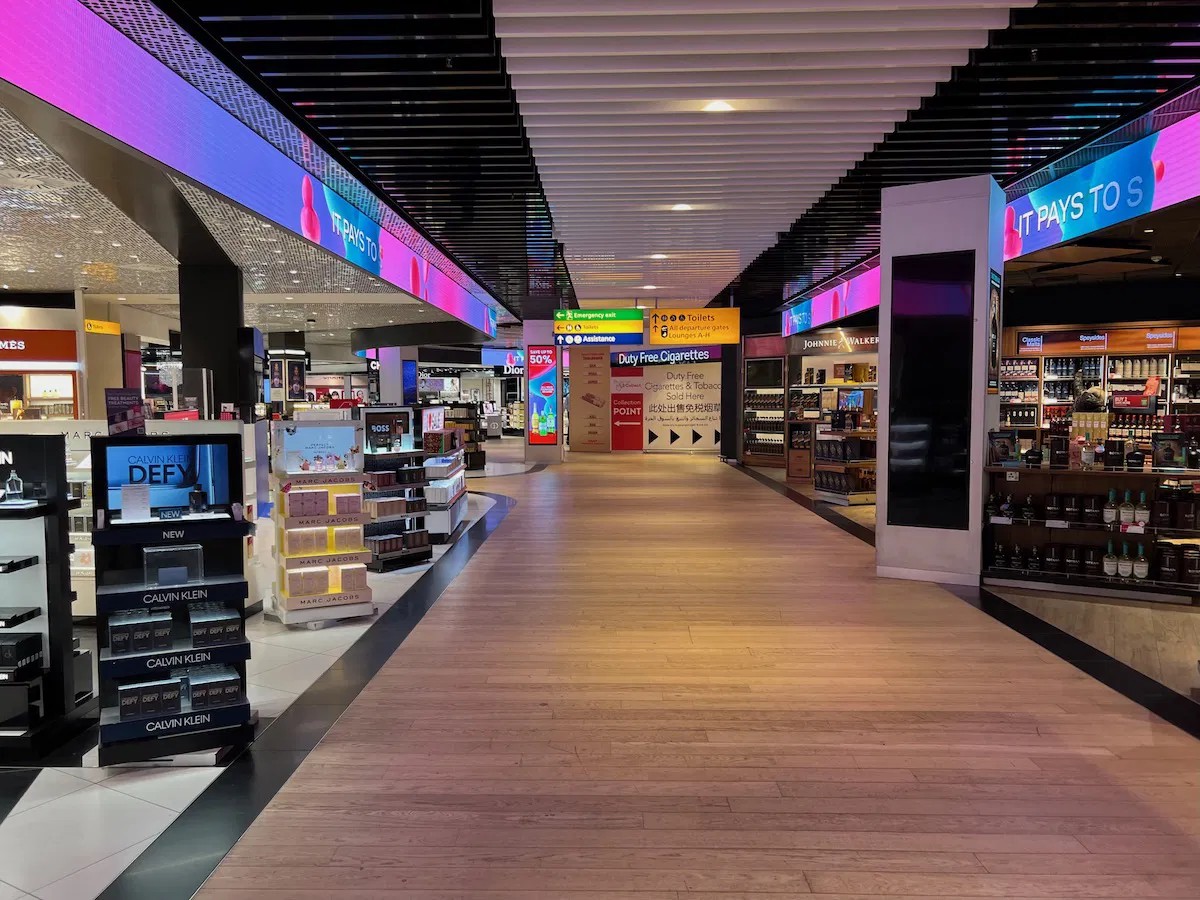
Heathrow Airport has officially eliminated its long-standing 100ml liquid restriction for carry-on bags, marking a significant shift in airport security standards. This change, enabled by a £1 billion investment in advanced security scanners, makes Heathrow the first major airport globally to fully implement the removal of this rule across all terminals (T2, T3, T4, T5).
What Changed and Why It Matters
For years, travelers have been required to store liquids in small, clear plastic bags to pass through security. This practice is now obsolete at Heathrow. Passengers can now carry up to two liters of liquids in their hand luggage without removal requirements. Furthermore, laptops and other electronics no longer need to be taken out of bags.
This upgrade isn’t just about convenience; it’s a fundamental shift in how airport security operates. The new CT scanners are far more efficient at identifying threats while allowing for faster passenger flow. The move is also environmentally positive, eliminating the need for approximately 16 million plastic bags annually.
Global Context: The US Lags Behind
The UK began easing liquids restrictions in 2024, but implementation was uneven. Heathrow’s complete rollout provides clarity for travelers. By contrast, the United States remains firmly under the 3-1-1 rule (3.4-ounce or 100ml liquids in a quart-sized bag).
The TSA estimates full CT scanner deployment won’t happen until 2040. This delay is due to the scale of the US airport system – over 2,000 screening lanes across 430 airports. However, political shifts could accelerate this timeline.
Political Uncertainty in the US
Recent statements from US officials suggest a potential for policy changes. Under the Biden administration, officials project that the current rules will remain in place until CT scanner deployment is complete. But under the Trump administration, Homeland Security Secretary Kristi Noem has indicated that this policy might be revisited sooner than that, questioning the necessity of the existing restrictions.
“Maybe the next big announcement is what size your liquids need to be,” Noem said, signaling a possible review of the TSA’s policies.
The US approach remains uncertain, but the success at Heathrow puts pressure on other major airports to adopt similar changes.
In conclusion, Heathrow’s decision to fully scrap the 100ml liquids rule represents a major step forward in airport security and passenger convenience. While the US continues to lag behind, political pressure and technological advancements could accelerate changes in the coming years.