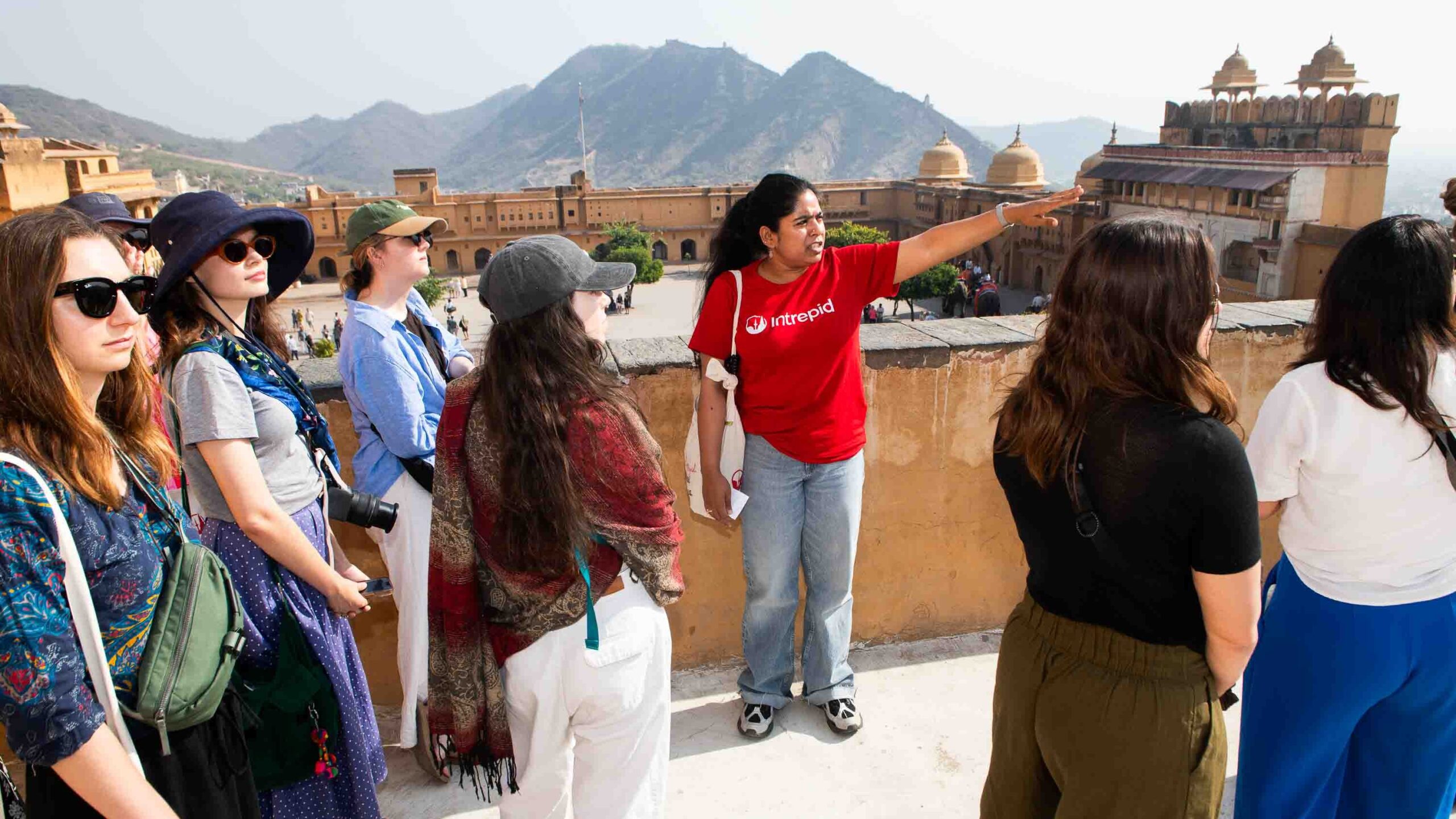
For generations, India’s tourism sector has largely excluded women from visible, leadership roles. While women comprise nearly half of the industry’s workforce, they have historically been relegated to lower-paying positions like housekeeping or handicrafts. Now, a new generation is challenging this status quo, taking the helm as tour guides, business owners, and entrepreneurs, and in doing so, rewriting the rules of who gets to benefit from India’s booming travel industry.
The Systemic Challenges Faced by Women in India
India ranks in the bottom 12 percent of the World Economic Forum’s Global Gender Gap Report. This isn’t accidental: systemic sexism and deeply ingrained societal norms create significant obstacles for women. Laws exist to curb sex-selective abortions, yet cultural biases persist. Marriage often means moving into the husband’s family home, prioritizing domestic duties over paid work. Widowhood frequently leaves women marginalized, while men face fewer barriers to rebuilding their lives. This context explains why tourism roles are often the first opportunity for some Indian women to earn independent income—sometimes supplementing a spouse’s earnings or supporting themselves entirely.
Women-Led Initiatives: A Catalyst for Change
Initiatives like Pink City Rickshaw Company in Jaipur are demonstrating what’s possible. Founded by Renu Sharma, the non-profit employs over 30 women as rickshaw drivers, providing them with financial independence and challenging traditional gender roles. Many of these women have since purchased their own rickshaws, starting their own businesses. This isn’t just about income: it’s about autonomy and challenging the expectation that women should remain in the domestic sphere.
Intrepid Travel’s India women’s expedition showcases another facet of this shift. Led by guides like Anjali Singh, these tours not only offer safe and comfortable experiences for female travelers but also highlight the women carving out their own paths in the workforce. Singh seamlessly manages logistics, translates cultural nuances, and navigates complex social dynamics—roles previously dominated by men. Her presence is significant: it disrupts stereotypes and provides a visible example for young girls who might otherwise accept limited career options.
Beyond Tourism: Economic Empowerment and Social Impact
The impact extends beyond individual earnings. Women in tourism often gain newfound agency in household decision-making, increasing their social status within their communities. Aarti Agarwal, who hosts sari demonstrations for Intrepid travelers, welcomes groups into her multi-generational home, showcasing a traditional craft while earning income. Similarly, the Sunder Rang artisan collective in Chandelao empowers women through fair wages and a 60 percent share of sales, reinvesting profits into training and mentorship programs.
These opportunities also foster social connections that many women historically lacked. Kamlesh Ratnu, the designer leading Sunder Rang, observes that the collective provides a safe space for women to share experiences without fear of judgment—a stark contrast to the often-restrictive dynamics within families.
The Future of Tourism in India: A Shift in Perception
Despite progress, challenges remain. Low pay, safety concerns, job insecurity, and persistent gender stereotypes continue to hold women back. Even women in leadership roles face discrimination from clients and industry partners. Yet, projections indicate that India’s tourism sector will add roughly 1.5 million jobs for women by 2036. This expansion isn’t just about numbers: destinations with visible female leadership are perceived more positively by travelers, reinforcing the economic and social value of inclusivity.
The transformation is underway, driven by determined women like Renu Sharma and Anjali Singh who are not only redefining their own futures but also reshaping the perception of what women can achieve in India’s tourism industry. Their resilience and ambition are proving that tourism isn’t just a job; it’s a catalyst for growth, empowerment, and lasting change.