


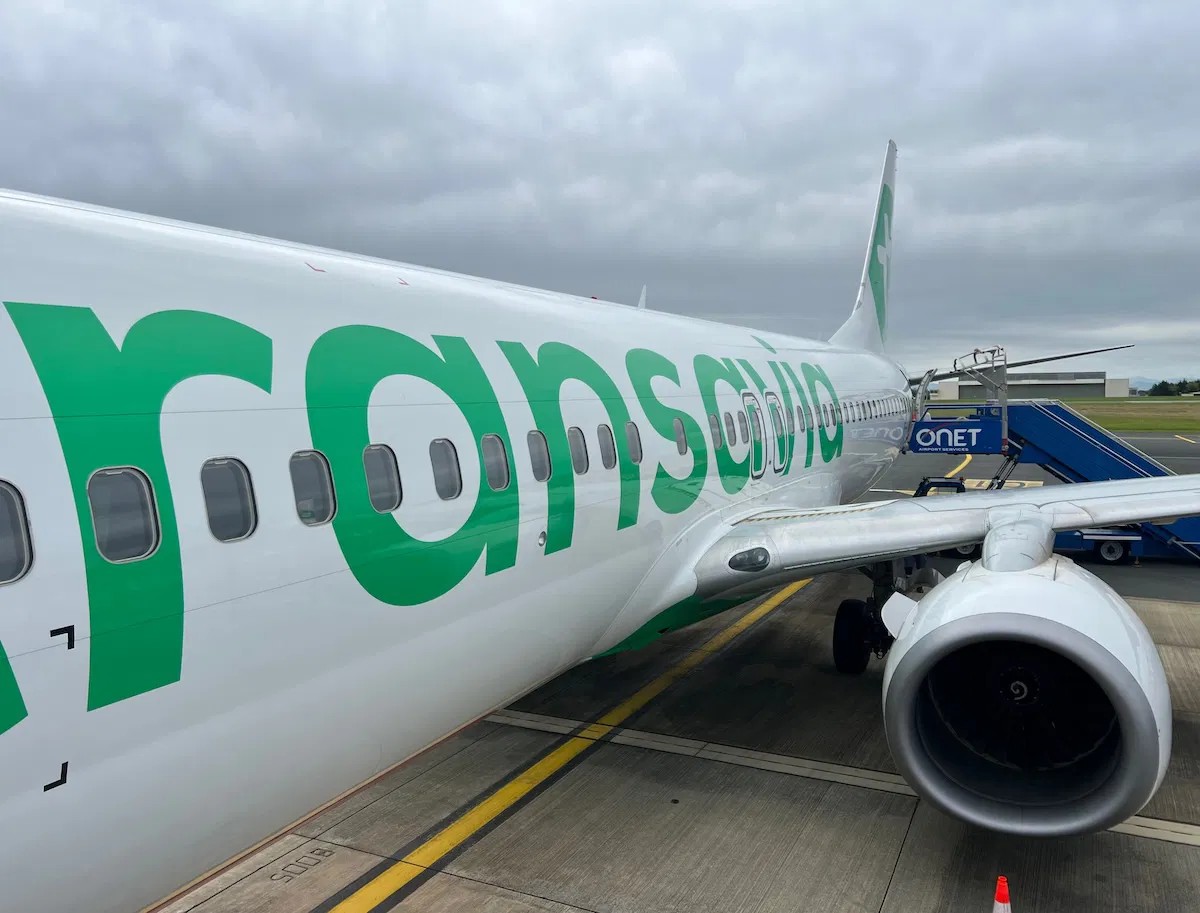
A Transavia flight from Hurghada, Egypt, to Amsterdam faced an overbooking issue on February 21, 2026. Rather than denying boarding to passengers as per standard EU261 protocols, the captain asked for volunteers to occupy cockpit jump seats for the 5-hour, 45-minute flight. Two passengers – a woman and a child, estimated to be around 10 years old – accepted the offer and spent the entire journey in the flight deck.
The Incident Details
The situation came to light after a passenger shared the experience on Reddit, including metadata-verified video evidence of boarding and arrival. The user expressed concern that this bypassed two decades of post-9/11 security measures for a simple payout avoidance. The passenger promptly reported the incident to Dutch and European aviation authorities, but as of the time of reporting, had received no response.
Regulatory Context
Current European Union Aviation Safety Agency (EASA) regulations allow for non-crew members in the cockpit under certain conditions: operating crew, regulatory officials, or as per the airline’s operations manual. The rules also emphasize that the commander (captain) maintains final decision-making authority regarding cockpit access, granting significant discretion.
Airline & Regulatory Response
Transavia launched an internal investigation but has not commented on specifics. The airline maintains its policies align with regulations and asserts the captain’s responsibility for onboard safety, including discretionary decision-making power. Notably, regulators have not indicated plans to pursue penalties for this incident.
Divergent Perspectives
Opinions on the event vary widely. Some passengers perceive it as a breach of safety standards, while others view it as a harmless, creative solution to an overbooking problem. One passenger voiced concerns about potential risks, suggesting that unauthorized individuals in the cockpit could pose unforeseen threats.
However, others, particularly aviation enthusiasts, find the situation intriguing and harmless, citing the captain’s discretionary authority and the lack of immediate danger. The incident underscores the tension between strict post-9/11 security protocols and operational flexibility in managing overbooked flights.
Ultimately, while unconventional, the captain’s decision allowed all booked passengers to travel without forced denials. Whether this was a justifiable shortcut or a security lapse remains a point of contention.


