
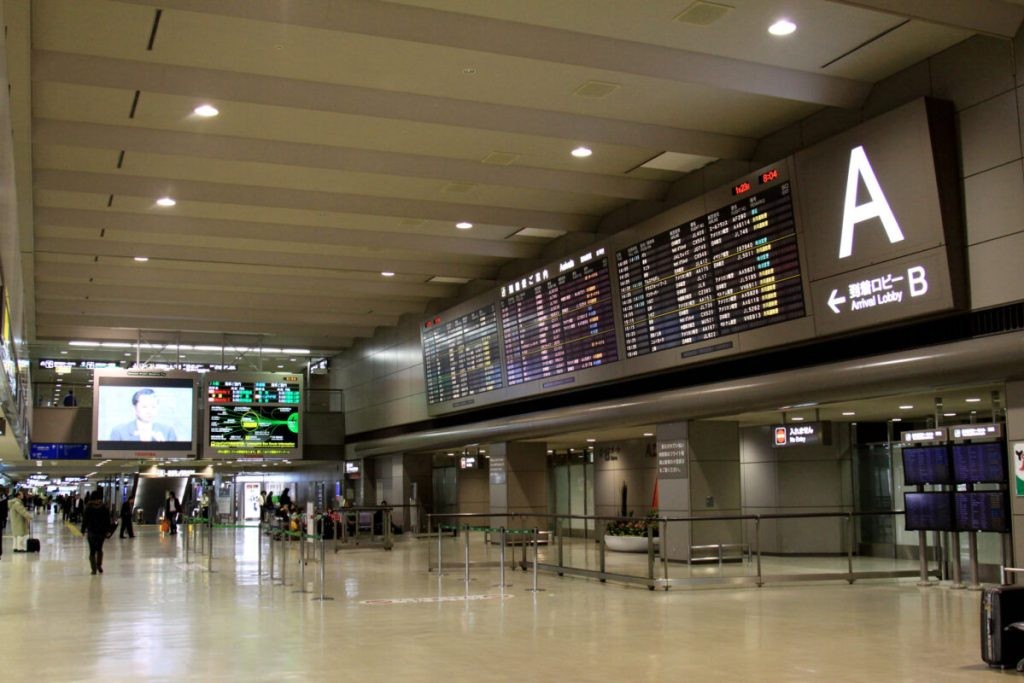
Over 1,900 flights between mainland China and Japan have been canceled for December, representing over 40% of scheduled services. This dramatic reduction in air travel signals a significant escalation in the economic fallout from worsening political relations between the two countries.
Flight Cancellations and Carrier Responses
Major Chinese airlines – including Air China, China Eastern, China Southern, Hainan Airlines, and Shenzhen Airlines – are drastically scaling back or outright eliminating flights to Japan. Travel agencies are now processing refunds and waiving fees for pre-booked trips through the end of the year. Daily flight numbers, which reached over 200 in October, are projected to drop below 100, according to Subramania Bhatt, CEO of China Trading Desk.
This is not a minor adjustment; it’s a 40-45% reduction in capacity, marking one of the most visible consequences of the diplomatic freeze. The scale of the cancellations makes clear that the issue extends beyond isolated protests and has entered the realm of quantifiable economic disruption.
The Trigger: Taiwan Strait Rhetoric
The immediate cause for this travel decline stems from recent statements by Japanese Prime Minister Sanae Takaichi, who raised the possibility of Japanese military intervention in the event of a conflict over Taiwan. Beijing responded harshly to this suggestion, interpreting it as interference in its regional policies.
“Japan’s stance on Taiwan is not a surprise, but the explicit mention of military deployment has crossed a red line for Beijing,” says geopolitical analyst Li Wei.
This is part of a broader pattern: China consistently views any perceived support for Taiwan’s independence as a direct challenge to its sovereignty. The travel restrictions are likely intended to signal dissatisfaction while also avoiding direct military confrontation.
Broader Implications
The flight cancellations demonstrate how political disputes can rapidly translate into economic consequences. For Japan, the loss of Chinese tourism represents a significant blow, especially as its economy relies heavily on inbound travelers. For China, the disruption suggests a willingness to weaponize economic pressure in pursuit of its geopolitical objectives.
The situation raises questions about the long-term impact on bilateral trade, investment, and regional stability. If tensions continue to escalate, further economic measures – including restrictions on other forms of commerce – could follow.
The abrupt shift in travel patterns confirms that the China-Japan relationship is now operating under a new, more hostile paradigm. The