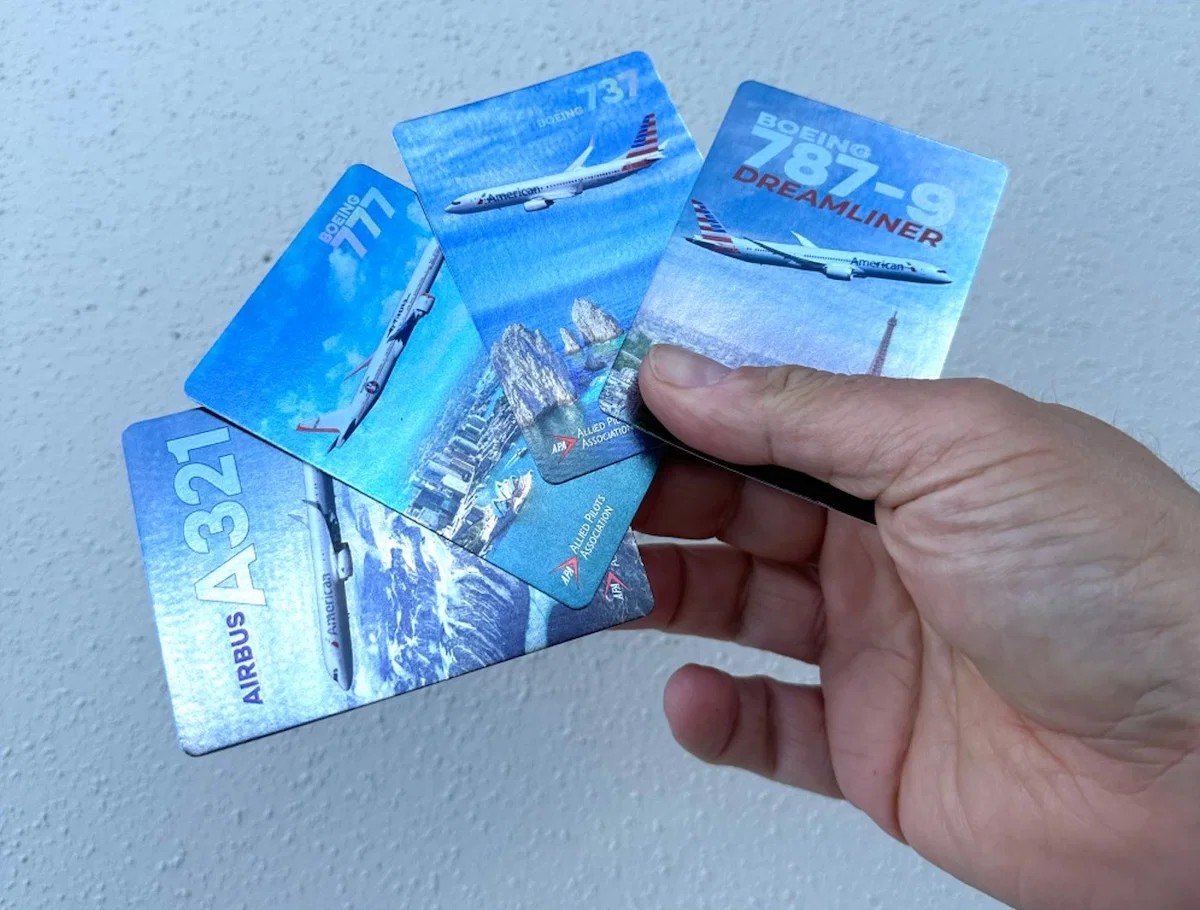
American Airlines pilots have finally gained access to airplane trading cards to distribute to passengers, but the rollout has sparked an unexpected debate within the cockpit. Unlike other major carriers that fund similar programs, these cards are being provided by the Allied Pilots Association (APA), the union representing the pilots, rather than the airline itself.
The Rise of Aviation Collectibles
In recent years, airplane trading cards have transitioned from niche memorabilia to a significant driver of passenger engagement. This trend has been fueled largely by social media, where “aviation geeks” and enthusiasts share their collections online.
Major competitors have long recognized the value of these collectibles:
– Delta Air Lines has maintained a trading card program since 2003, using it to foster brand loyalty.
– Spirit Airlines recently invested in its own rollout to meet increasing passenger demand.
These programs serve a dual purpose: they provide a “souvenir” for enthusiasts and create positive, human interactions between frontline staff and customers—moments that can significantly enhance a passenger’s perception of an airline.
A Union-Led Initiative
The new cards offered by the APA feature various aircraft from the American Airlines fleet in their full liveries. However, there is a key distinction in the branding: the cards carry union branding rather than official American Airlines corporate branding.
Because the airline is not sponsoring the initiative, the logistics fall entirely on the pilots. They must personally collect the cards from their respective bases and carry them onboard to distribute to interested passengers.
Internal Friction: “My Dues at Work”
While the initiative aims to “enhance the passenger experience,” it has met with a divided response from the pilots themselves. The controversy centers on who is footing the bill.
The reactions on social media reveal a clear split in sentiment:
* The Supporters: Many pilots expressed relief, noting the awkwardness of having to tell young passengers or enthusiasts that they do not have any cards to give.
* The Critics: A significant number of pilots have voiced frustration, arguing that union dues should not be used to fund customer service amenities that the airline should be providing. Common critiques include:
* Questions regarding why the union is paying for items that benefit the airline’s customer experience.
* Frustration that the airline is not investing in these “small wins” for passenger satisfaction.
The Bigger Picture: Corporate Culture and Engagement
This situation highlights a potential rift in the corporate culture at American Airlines. When airlines like Delta promote trading cards, they frame them as tools to “enrich the flight experience.” By contrast, the fact that the APA is stepping in to fill this gap suggests a disconnect between American Airlines management and the frontline employees who interact with customers.
The move raises a strategic question: If an airline relies on its union to provide the tools for customer engagement, does that reflect a broader lack of investment in the passenger experience?
The rollout of these cards marks a win for passenger engagement but a point of contention for pilot labor relations, highlighting a gap between airline management and frontline staff.
Conclusion
While American Airlines passengers may soon enjoy collecting new aircraft cards, the program remains a grassroots effort driven by the union rather than the corporation. This distinction has turned a simple customer service gesture into a debate over the use of union dues and the responsibilities of airline management.