The escalating conflict involving Iran is already inflicting significant financial strain on smaller airlines operating in and around the Middle East, with daily losses estimated at $200,000 due to surging insurance premiums. This immediate impact highlights the volatility of aviation risk in conflict zones and the critical role of insurance in maintaining operational viability.
The Rising Cost of War Risk Insurance
Aviation insurers are responding to the heightened geopolitical tensions by drastically reassessing risk exposures. Two primary types of coverage are affected:
- Hull War Risk Insurance: This protects aircraft from damage caused by war, terrorism, or political violence, both in flight and on the ground.
- War Liability Cover: This shields airlines from financial liabilities related to passenger injuries, property damage, and cargo losses resulting from conflict incidents.
These policies are typically purchased independently, meaning airlines must now bear the escalating costs for both. The sudden price hikes are disproportionately impacting smaller carriers with limited financial buffers, forcing some to reduce flight schedules or absorb losses.
Regional Hubs Relatively Insulated (For Now)
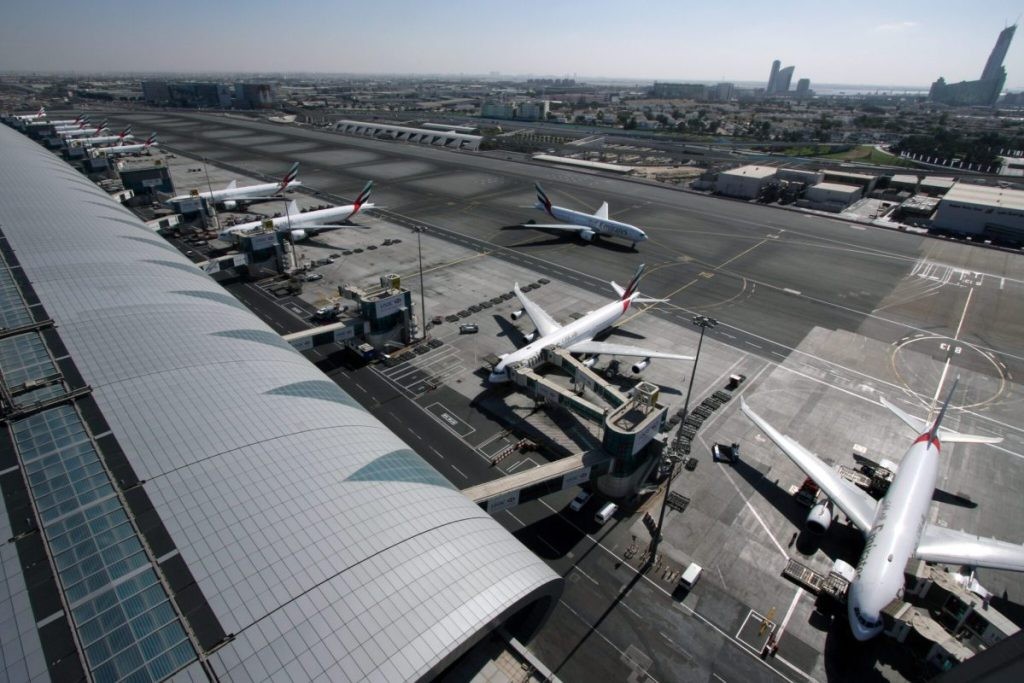
Despite the overall increase in premiums, major aviation hubs in the UAE, Saudi Arabia, and Qatar appear to be comparatively less affected than historical conflict zones. This suggests that insurers perceive these locations as lower-risk relative to previous high-intensity conflict areas. However, this assessment could change rapidly as the situation evolves.
Why This Matters: The Broader Implications
The rapid increase in war risk insurance costs underscores the fragility of the global aviation industry in the face of geopolitical instability. While larger airlines can absorb these costs or reroute flights, smaller operators may face bankruptcy if premiums remain elevated for an extended period. This crisis raises questions about long-term operational sustainability and the role of international insurers in managing risk during regional conflicts.
The situation is evolving, but one thing is clear: the financial fallout from the Iran conflict is already being felt by airlines, and the long-term consequences could reshape the aviation landscape in the Middle East.