Across Canada, First Nations, Métis, and Inuit groups are reshaping the tourism landscape by acquiring and operating hotels, lodges, and resorts. This isn’t just a business trend; it’s a deliberate effort to reclaim cultural narratives and drive economic independence after centuries of displacement, assimilation policies, and systemic injustice.
A History of Dispossession and Resistance
For generations, Indigenous communities endured forced relocation, language suppression, and the trauma of residential schools designed to eradicate their cultures. Today, the growing presence of Indigenous-owned tourism businesses represents a powerful shift. These enterprises aren’t just offering lodging; they’re providing authentic cultural experiences guided by the communities themselves—a stark contrast to past colonial exploitation.
The Rise of Indigenous-Owned Hospitality
What began with fewer than five Indigenous-owned hotels two decades ago has exploded into a network of roughly 70 across Canada, with many opening in recent years. Keith Henry, CEO of the Indigenous Tourism Association of Canada (ITAC), notes the diversity: a hotel in British Columbia will differ drastically from one in Saskatchewan or Alberta, reflecting the distinct customs and languages of over 630 First Nations communities.
This trend extends beyond Canada. In Australia, the Jawoyn people run Cicada Lodge, offering immersive tours. In New Zealand, Maori family-owned Kohutapu Lodge provides guided experiences rooted in ancestral traditions. And in the United States, the Snoqualmie Tribe has reclaimed ancestral land with the Salish Lodge in Washington.
Economic Reconciliation in Action
ITAC calls this “reconciliation in action.” Businesses like Dakota Dunes Resort in Saskatchewan subtly integrate Indigenous culture into guest experiences, while Grey Eagle Resort & Casino in Alberta operates under the Tsuut’ina Nation. These ventures aren’t just about profits; they’re about economic self-determination.
The Heiltsuk Nation’s 2021 purchase of Shearwater Resort on Denny Island is a prime example. Today, over half the staff are Heiltsuk, and the lodge prioritizes sharing their story. “For a long time, the narrative was not our story; it wasn’t told by us,” says sales manager Megan Humchitt. The resort now offers fishing guided by Heiltsuk experts and cultural tours that highlight their 14,000-year history in the region.
Cultural Immersion and Healing
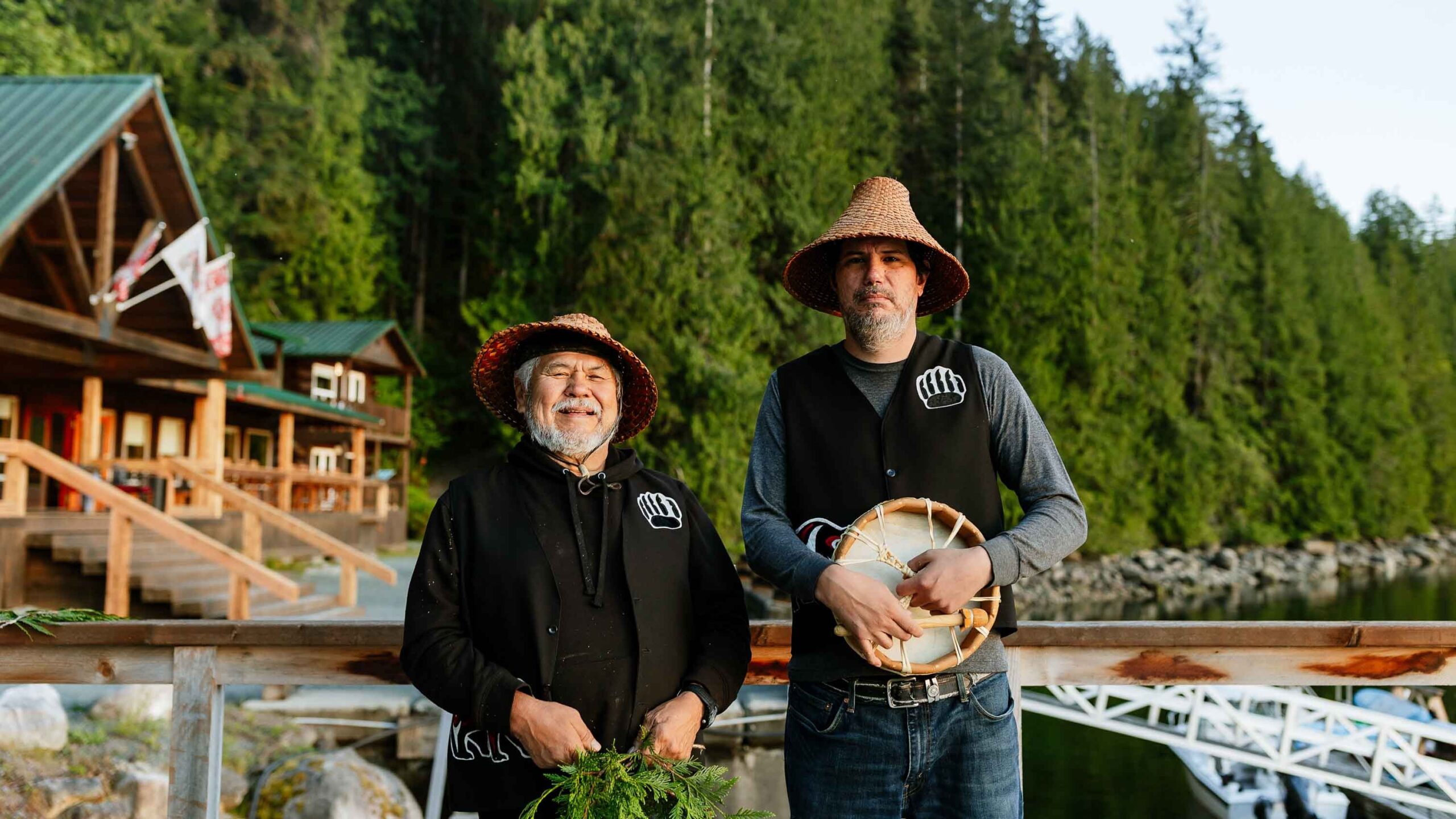
Klahoose Wilderness Resort in British Columbia exemplifies this shift. Originally built as a fishing retreat, the Klahoose Nation acquired the property in 2020, with 70% of staff now Indigenous. Guides openly discuss their history, including forced relocation, alongside offering unparalleled bear-viewing experiences.
The impact is profound. Guests often participate in smudging ceremonies to cleanse negative energy, leaving with tears and gratitude for the authentic connection. As one guide explains, “Canadians know a lot about reconciliation, but what does that mean?” The answer, he says, lies in economic empowerment, cultural preservation, and respectful storytelling.
The growth of Indigenous tourism isn’t merely a business success; it’s a tangible step toward healing, sovereignty, and a future where Indigenous communities control their own narratives and destinies.