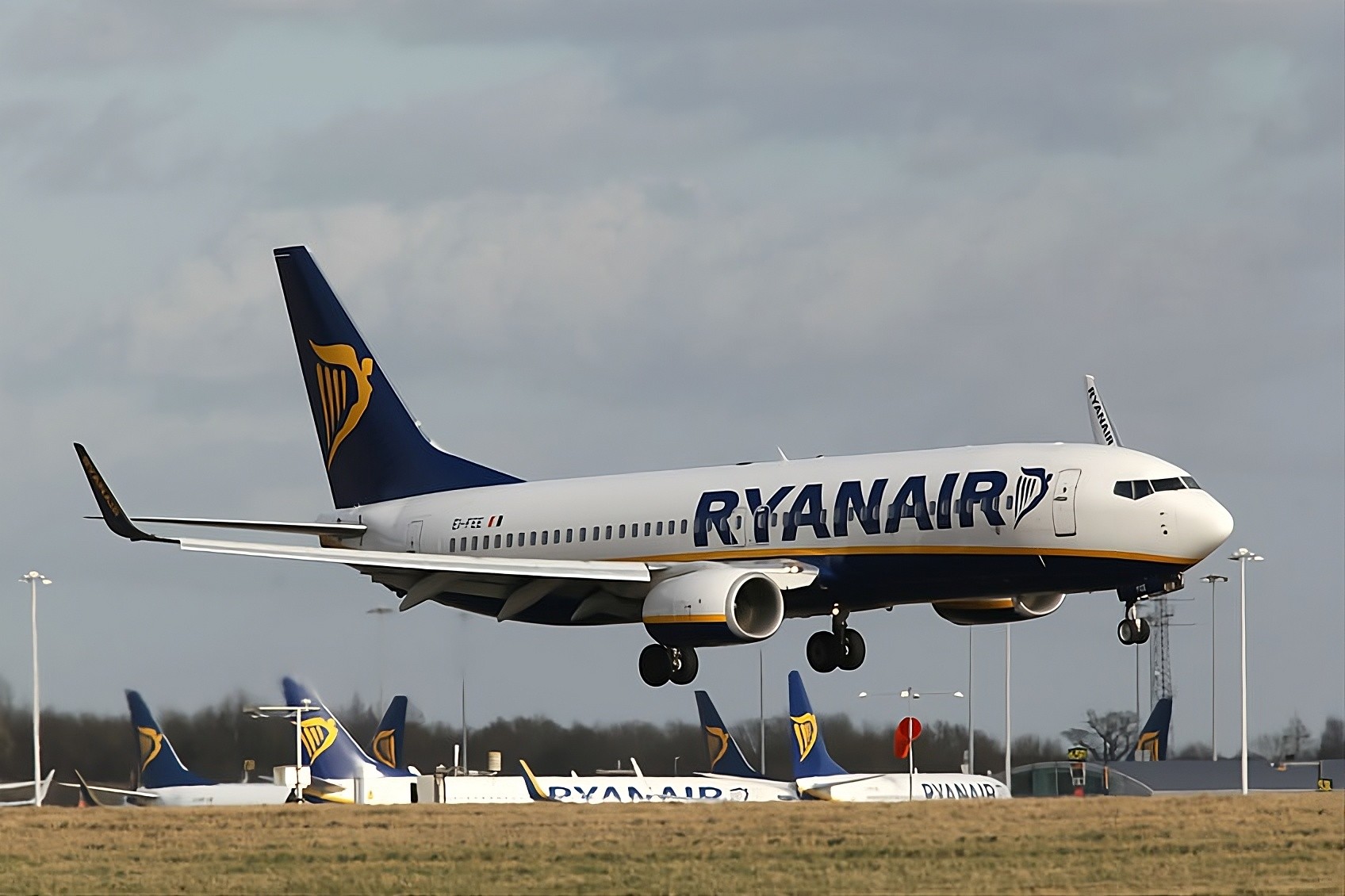
A Ryanair Boeing 737 was temporarily seized by a court bailiff in Linz, Austria, after the airline refused to pay a passenger €892.87 (approximately $1,182) in overdue compensation for a 13-hour flight delay in July 2024. The incident highlights an escalating trend: passengers are increasingly resorting to extreme legal enforcement to claim what they’re owed under EU261 regulations.
The Seizure Explained
The bailiff, accompanied by the passenger’s lawyer, affixed a “judicial attachment sticker” to the aircraft (registration EI-EXE) while it was parked at Linz Airport. Though the plane wasn’t physically immobilized, the sticker served as a formal notice that the aircraft could be auctioned off if Ryanair failed to pay. Within three days, Ryanair settled the debt, including statutory compensation of €250 plus interest and legal fees.
This case isn’t isolated. Bailiffs have previously targeted airlines at other airports, including Delta Air Lines at London Heathrow. In that instance, agents shut down check-in until a manager paid a $3,400 refund using a personal credit card.
Why This Matters: A Growing Problem
The rise in these aggressive enforcement tactics underscores a systemic issue: airlines often ignore or delay paying EU261 claims, forcing passengers to pursue legal action. The cost of pursuing these claims can quickly escalate, including court fees and bailiff expenses. In one case, a delayed Wizz Air flight was delayed by bailiffs trying to collect a refund, creating a domino effect where the airline then owed additional EU261 compensation to the delayed passengers.
Airlines have even gone to extremes to avoid seizure: Adria Airways once cancelled a flight rather than risk having an aircraft impounded over a €250 claim. While European consumer protection laws theoretically favor passengers, enforcement is weak, and airlines often gamble that individuals won’t pursue costly legal battles.
The Future of Flight Compensation
The incident serves as a warning to airlines that ignoring passenger rights comes with real financial consequences. Passengers are willing to escalate legal pressure, even resorting to seizing airline assets, to enforce their claims. While the practice may seem extreme, it highlights the frustration of dealing with non-compliant airlines and the lengths some customers will go to receive compensation they are legally entitled to.
As one case demonstrates, airlines risk escalating costs by failing to settle claims promptly. Passengers now know that even a 737 can be a bargaining chip in the fight for fair treatment.