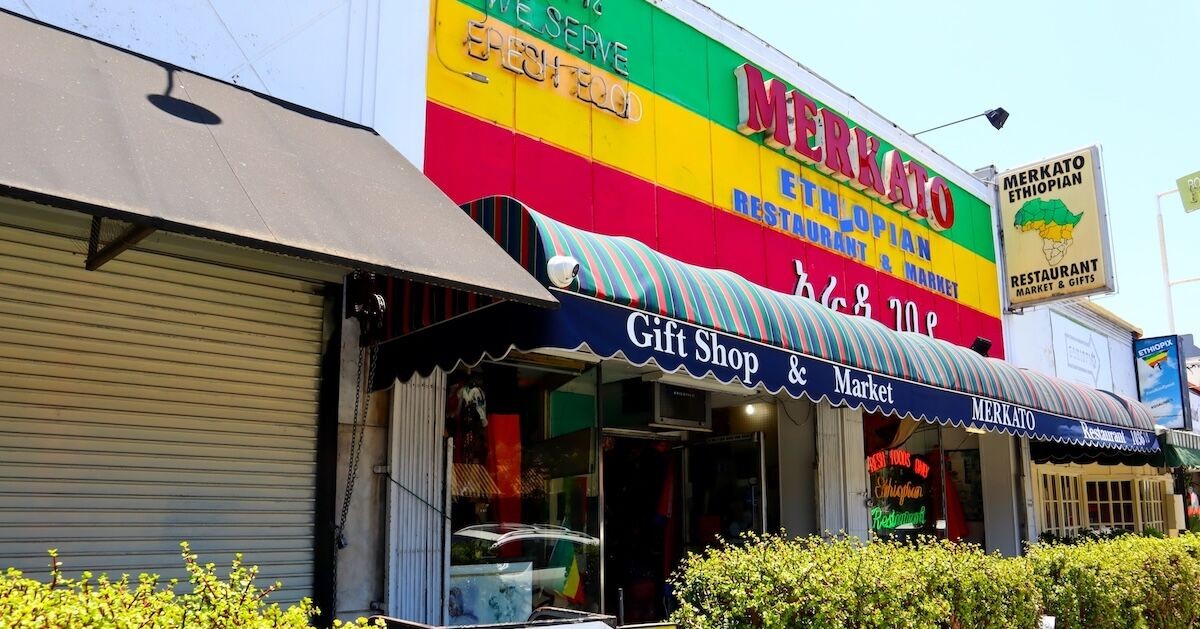
Little Ethiopia in Los Angeles stands out as an unforgettable travel destination for 2026, offering an authentic cultural experience within a vast and often impersonal city. This enclave is poised to become a standout for visitors during the FIFA World Cup, providing a manageable, meaningful, and deeply satisfying alternative to mainstream tourist attractions.
A Culinary and Cultural Hub
The heart of Little Ethiopia lies in its exceptional food scene. The area’s restaurants, like Lalibela, draw visitors with the rich aromas of traditional Ethiopian cuisine. A single meal—such as chicken tibs paired with St. George Beer and injera—can be a defining experience, overshadowing other culinary highlights in a city known for its diversity.
Beyond the restaurants, Little Ethiopia offers a vibrant commercial district. Merkato-style shops provide a unique shopping experience, while art galleries and antique stores add further depth. The neighborhood’s coffeehouses are also notable, completing the immersive cultural journey.
Historical Significance
Little Ethiopia’s origins are rooted in the political turmoil of Ethiopia in the 1970s and 80s. Many families immigrated during this period, establishing a tight-knit community that retains a strong sense of identity. This history is palpable when walking Fairfax Avenue, making the area stand out among other ethnic enclaves in Los Angeles.
Why It Matters in 2026
Los Angeles’ hosting of FIFA World Cup matches in 2026 will likely drive tourism to the city. However, Little Ethiopia provides a distinct advantage : it’s an ideal micro-destination for travelers seeking authentic experiences without the overwhelming scale of typical LA tourism. The neighborhood’s intimacy is a key differentiator, making it a valuable stop between larger events.
Little Ethiopia offers a rare combination of culinary excellence, cultural richness, and historical depth—making it a must-visit destination in 2026.