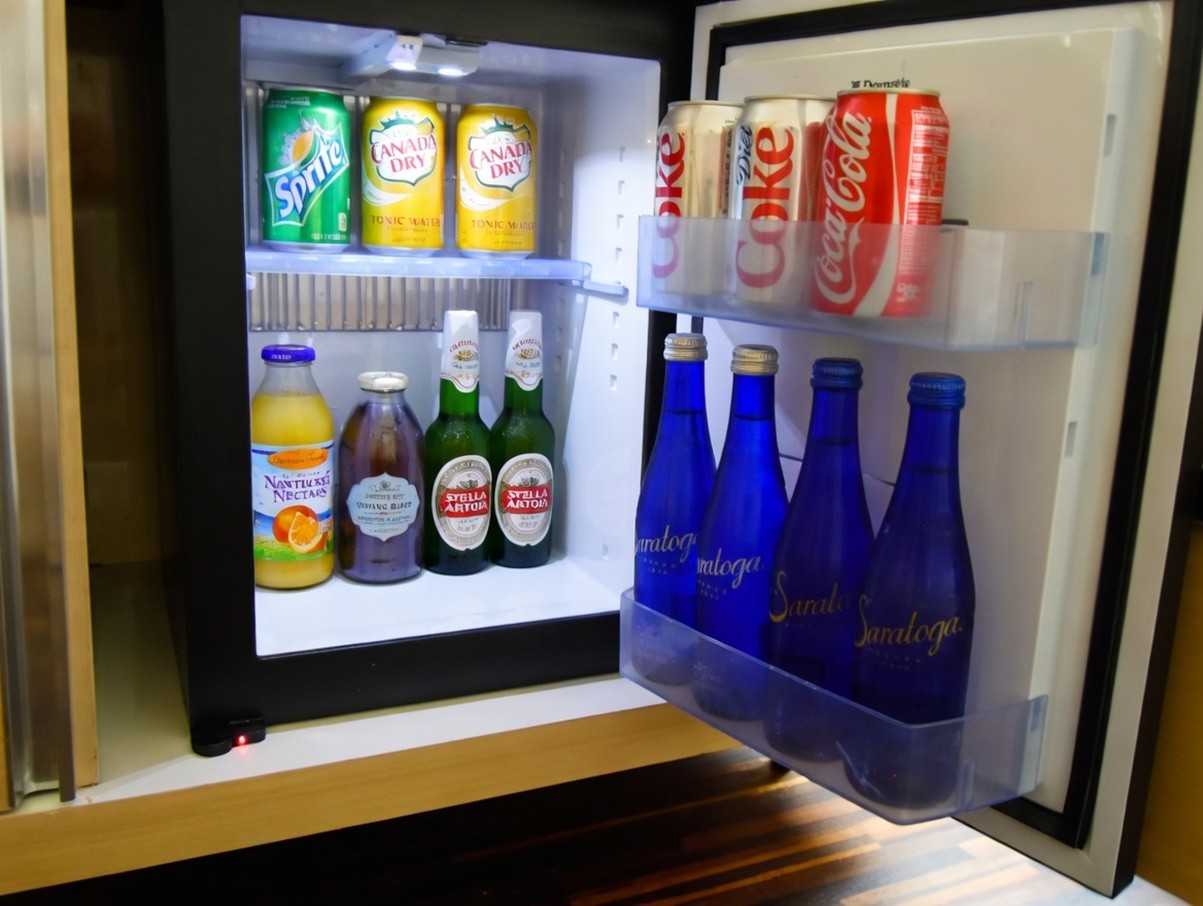
After more than three decades, Marriott International is shifting its global beverage strategy. The hospitality giant has announced it will replace Pepsi with Coca-Cola as its exclusive beverage provider across its massive international network.
This transition marks the end of a relationship that began in 1992. The rollout is set to begin this summer, covering Marriott’s vast footprint of over 9,800 properties and approximately 1.78 million rooms spanning 145 countries and territories.
The Economics of the Switch
The decision to move away from Pepsi appears to be driven by both consumer preference and significant financial incentives. While the specific terms of the new Coca-Cola contract remain private, the scale of the deal is immense.
The shift affects an estimated 450 million room nights. Even a marginal gain of just five cents per room night would translate to roughly $22.5 million in additional revenue for Marriott. Beyond simple room rates, the deal encompasses a wide array of revenue streams, including:
– Hotel restaurants and bars
– Lobby markets and vending machines
– Banquets and meeting facilities
– Poolside outlets
Industry analysts suggest the deal likely includes a combination of lower syrup pricing, volume-based rebates, equipment support, and dedicated marketing funds.
The “Pepsi Paradox” and Consumer Sentiment
The move addresses a long-standing friction point in guest satisfaction. Marriott has reported that more than 70% of its guests favor the Coca-Cola portfolio.
This preference highlights a phenomenon often discussed in marketing as the “Pepsi Paradox.” While Pepsi has historically performed well in blind taste tests, Coca-Cola tends to maintain a dominant lead in real-world brand preference. This discrepancy often stems from the flavor profiles: Pepsi is frequently noted for being sweeter, which can be pleasant in a single sip but may become “cloying” during sustained consumption.
The psychological impact of beverage choice is also evident in service interactions. The common, apologetic question—“Is Pepsi okay?” —serves as a subtle indicator of the brand’s perceived status compared to its rival. For many travelers, the availability of Coke is a baseline expectation for a premium experience.
A Growing Trend in Travel
Marriott is not alone in this preference, though it remains a notable shift for such a large entity. In the aviation sector, most major carriers—including Delta, American, United, Southwest, Frontier, Spirit, and Allegiant —already serve Coca-Cola products. JetBlue remains a notable outlier, maintaining a Pepsi-exclusive partnership established in 2019.
While there is limited data to prove that a traveler will choose one hotel chain over another based solely on soda brand, the choice significantly impacts overall product satisfaction and ancillary volume.
For a global hospitality leader, aligning beverage offerings with the documented preferences of 70% of its guest base is a strategic move to optimize both guest happiness and bottom-line revenue.
Conclusion
By switching to Coca-Cola, Marriott is prioritizing consumer demand and high-margin revenue opportunities. This transition aims to eliminate a minor but persistent point of guest dissatisfaction across its global portfolio.