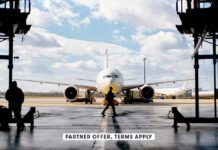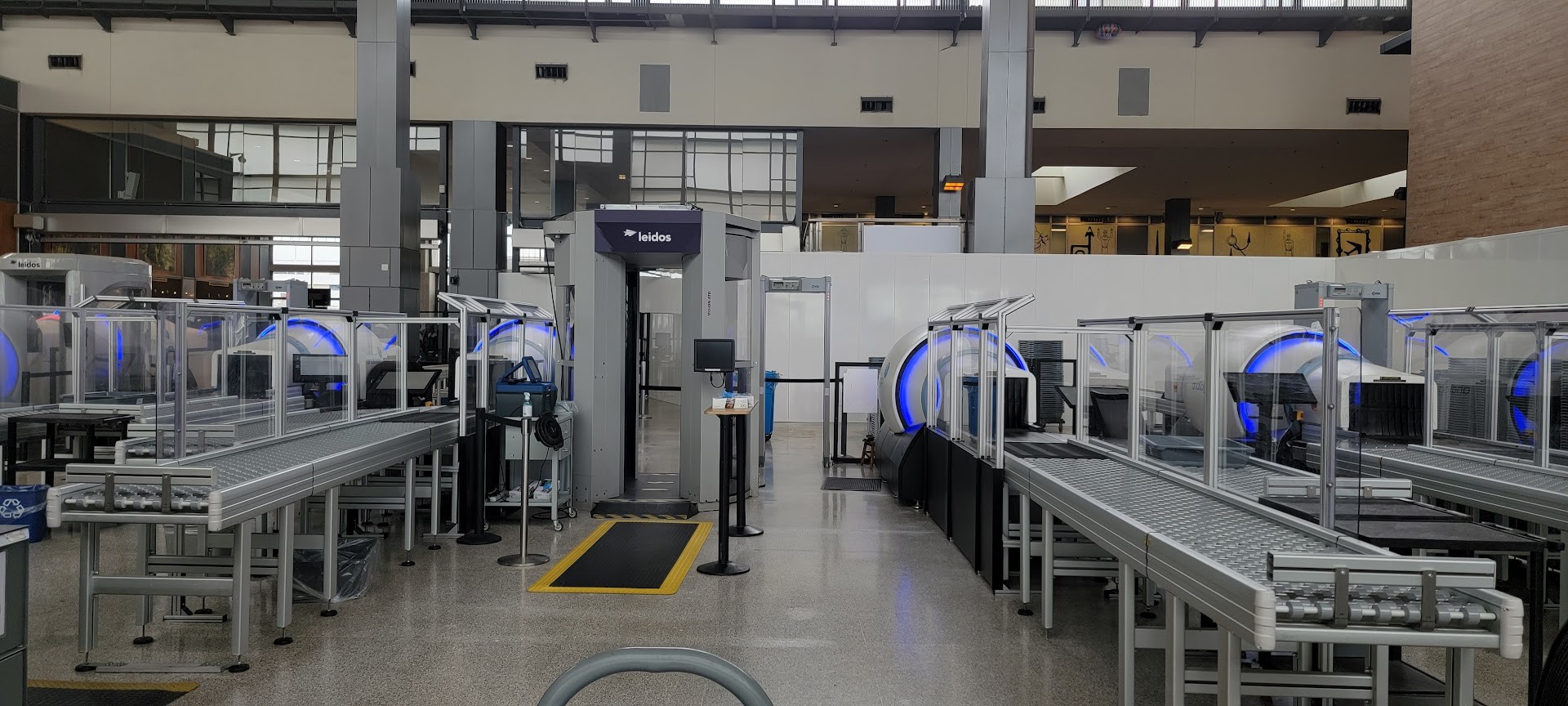
Elon Musk has offered to cover the salaries of Transportation Security Administration (TSA) agents as prolonged government shutdowns trigger escalating chaos at airports nationwide. The move comes as TSA screeners, facing delayed paychecks, increasingly call out sick, causing widespread checkpoint closures and flight delays in major hubs like Houston, Atlanta, New York, and New Orleans.
The Shutdown’s Impact
The current disruption affects roughly 10% of TSA staff – five times the normal absentee rate, with some airports exceeding 50% call-outs. This translates to significant delays for travelers and raises questions about the sustainability of current security operations without immediate financial relief. The TSA’s annual budget is $8.6 billion for 59,000 employees, averaging $145,000 per worker, or $23.6 million daily in payroll costs.
Can Musk Actually Pay TSA?
While seemingly straightforward, directly funding TSA salaries faces legal hurdles. U.S. law (18 U.S.C. § 209, 31 U.S.C. § 3302) generally prohibits federal employees from receiving outside compensation and mandates government funds be deposited into the Treasury.
However, a workaround exists: Musk could donate to the Department of Homeland Security (DHS) with the explicit condition that funds cover TSA salaries. The 2004 DHS Appropriations Act allows the Secretary to “accept, hold, administer, and utilize” gifts, provided donor terms are respected. Although some legal experts consider this a stretch, it’s not unprecedented.
Precedent: Mellon’s Pentagon Donation
In late 2023, Tim Mellon reportedly donated $130 million to the Pentagon during another shutdown, allegedly to cover military salaries. While legally questionable – and largely unchallenged – this precedent suggests authorities may overlook similar interventions if they resolve immediate crises.
Political Dynamics at Play
The TSA delays serve a strategic purpose: to pressure lawmakers into ending the shutdown. The longer the impasse continues, the more politically damaging it becomes, especially for the party seen as responsible. Currently, Democrats are absorbing more immediate blame, as they are perceived as withholding funding for broader DHS operations while pushing for separate TSA funding. However, voters often shift blame to the party in power, regardless of procedural details.
Conclusion
Musk’s offer highlights a desperate situation at U.S. airports. While legal obstacles exist, precedents suggest his intervention could be possible, if not entirely lawful. The primary driver remains political: the longer the shutdown persists, the greater the pressure on lawmakers to resolve it, with both parties facing potential electoral consequences.