For fans of the late musical icon, Minneapolis is more than just a city; it is a site of pilgrimage. As we mark the 10th anniversary of Prince’s passing, the connection between the artist and his hometown remains a central part of his enduring legend.
The Genesis of a Genius
The mythos of Prince Rogers Nelson often begins with his early, almost supernatural, technical abilities. One defining—though perhaps legendary—story takes place in 1977 at Sound 80, the world’s first digital recording studio located in the Seward neighborhood.
According to Steven Orfield, owner of Orfield Laboratories, a 19-year-old Prince arrived at the studio and, after the engineers had set up the equipment, simply instructed them to leave. In those solitary hours, the teenage musician reportedly played every instrument, performed all vocals, and handled the mixing and editing himself. These sessions became the foundation for his debut album, For You.
Whether this story is literal truth or a piece of musical folklore, it captures the essence of Prince: a self-contained force of nature who required no one else to bring his vision to life.
A Sound Shaped by Place
While Prince’s talent was undeniable, experts suggest that his environment was equally vital to his unique sound. His music was not just a product of individual genius, but a product of geography and culture.
“If Prince had moved to Chicago, New York or Los Angeles, his music would have still been phenomenal, but it would have sounded very differently,” notes Rashad Shabazz, author of Prince’s Minneapolis: A Biography of Sound & Place.
This highlights a crucial aspect of music history: the “sense of place.” The specific intersection of genres—funk, rock, R&B, and pop—that flourished in the Minneapolis scene provided the necessary friction and inspiration for Prince to develop his signature style. Had he been immersed in the different musical ecosystems of the coasts, the “Minneapolis Sound” might never have existed.
The Living Legacy
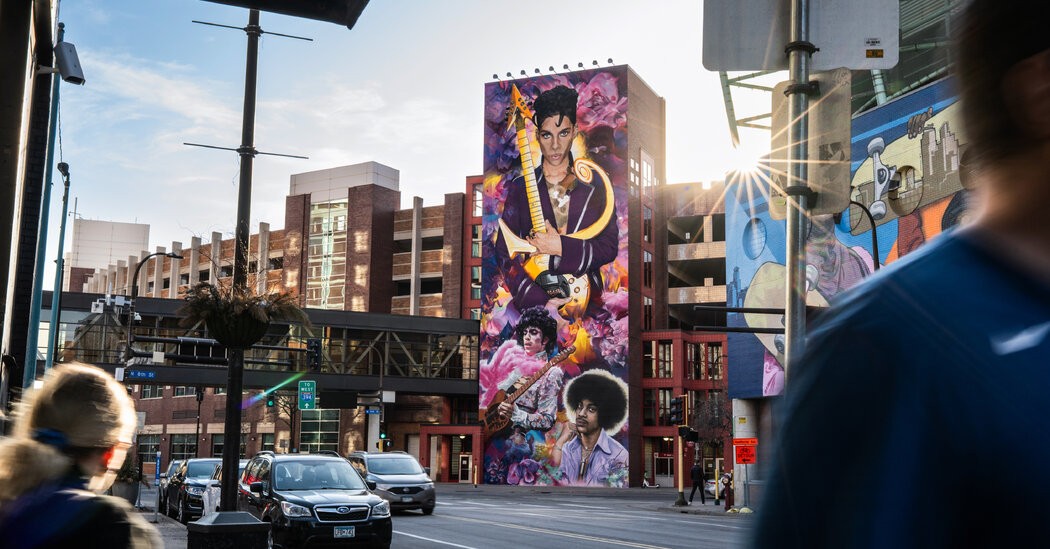
Today, Prince’s presence is still etched into the urban fabric of the city. From massive street art, such as Hiero Veiga’s 2022 mural in downtown Minneapolis, to the historic recording studios where he cut his teeth, the city serves as a living museum of his career.
For travelers following the “Purple Trail,” the journey is about more than just visiting landmarks; it is about understanding how a specific time and place can cultivate a global phenomenon.
Conclusion
Prince’s legacy is inextricably linked to Minneapolis, a city that provided the cultural backdrop necessary for his singular sound to emerge. To visit his hometown is to explore the vital relationship between an artist’s environment and their creative identity.