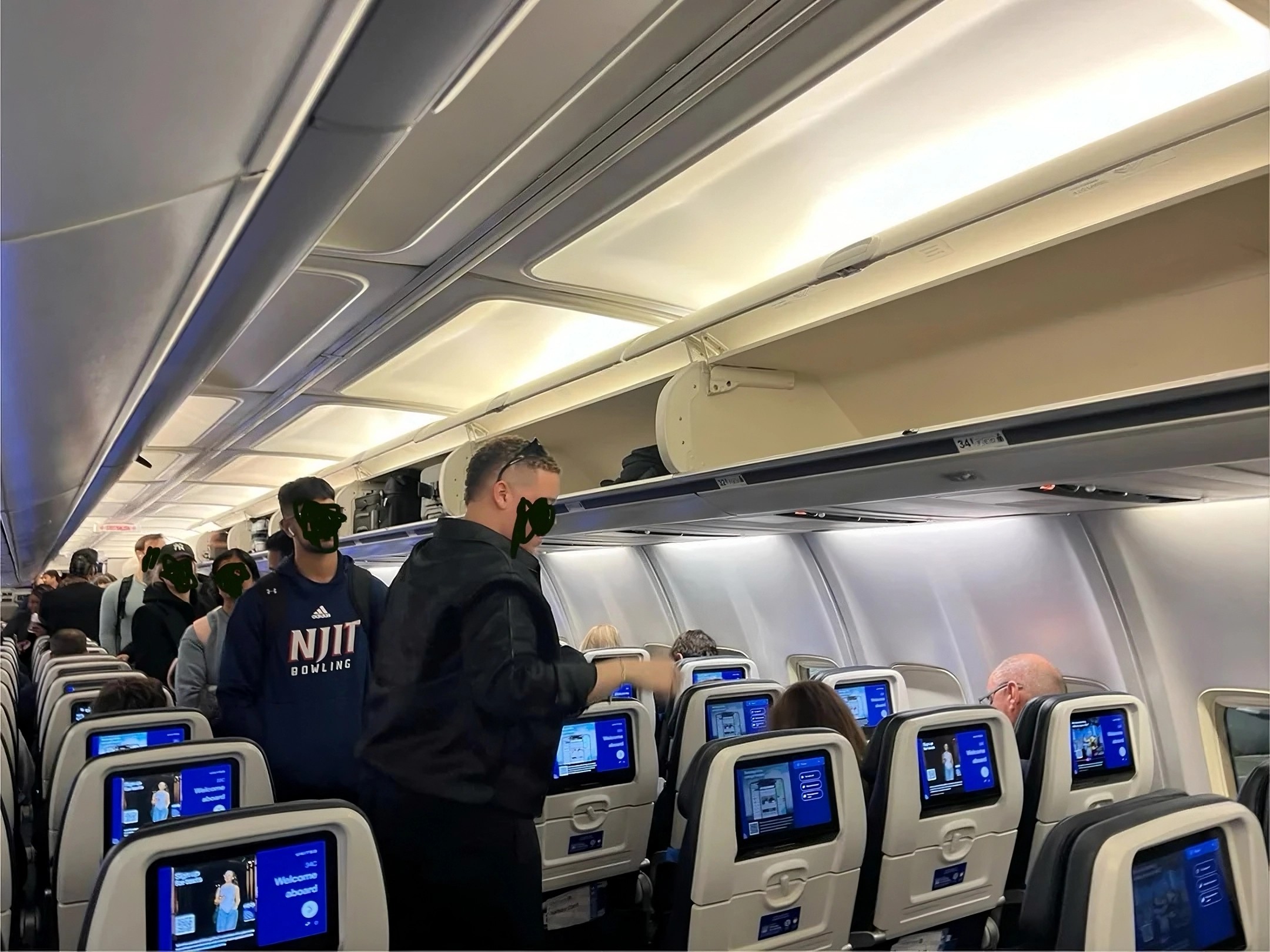
Have you ever been forced to hand over your carry-on bag at the boarding gate, only to walk down the jetbridge and see rows of empty overhead bins?
This frustrating experience—where passengers are told there is no more room despite visible vacancies—is one of the most frequent complaints filed by travelers on major carriers like United, Delta, and American Airlines. While it feels like a personal slight or a lie, the phenomenon is driven by a complex mix of operational logistics, airline economics, and changing passenger habits.
Why Gate Agents Stop Boarding Bags Early
It may seem illogical to stop passengers from bringing bags on when space is still available, but for airline staff, the decision is about preventing delays rather than maximizing space.
Gate agents often trigger “gate checking” procedures well before the bins are actually full for several reasons:
- Avoiding On-Board Chaos: If agents wait until the bins are 100% full, passengers will already be in the aisles or sitting in their seats, struggling to find space. This creates congestion in the cabin and slows down the boarding process.
- Protecting Departure Times: A single passenger struggling with a large bag in a narrow aisle can delay a flight by several minutes. For airline staff, the risk of a delayed departure—which can lead to poor performance ratings and cascading scheduling issues—is often viewed as a greater threat than the frustration of a passenger forced to check a bag.
- Management Pressure: Agents are often under strict instructions to ensure “on-time performance.” In many cases, they prioritize a smooth, fast boarding process over the individual convenience of a passenger.
The Evolution of the “Carry-On Wars”
The current struggle for overhead space is not a new phenomenon, but it has been exacerbated by decades of shifting industry trends.
1. The Post-9/11 Security Shift
Before the early 2000s, passengers typically brought more luggage into the cabin. However, following the 9/11 attacks, federal security protocols changed. To speed up security checkpoints, airlines began implementing stricter limits on carry-on items to reduce the volume of bags that needed to be screened.
2. The Rise of Bag Fees
A major turning point occurred around 2008, when airlines began charging fees for checked luggage. This economic shift fundamentally changed passenger behavior: instead of checking a bag for a fee, travelers began trying to squeeze as much as possible into their carry-ons to avoid the cost. This “rush to the cabin” significantly increased the density of luggage in the overhead bins.
3. The Efficiency Gap
Even when airlines install larger overhead bins (as seen in some American Airlines fleets), the problem persists due to human factors:
* Improper Loading: Bins are designed for maximum efficiency when bags are placed on their sides. When passengers load bags haphazardly, space is wasted.
* “Personal Item” Creep: Passengers often carry more than the allotted “one personal item,” such as bulky winter jackets or extra bags that do not fit easily under the seat.
Looking Ahead
As airlines continue to optimize for capacity and speed, the tension between passenger convenience and operational efficiency is likely to increase. While some travelers attempt to negotiate with flight attendants or “sneak” bags on, the systemic pressure to keep flights on schedule means that gate-checking will remain a standard, albeit controversial, part of the flying experience.
Summary: Airlines force early gate-checking to prevent cabin congestion and ensure on-time departures, a practice driven by the shift toward paid checked bags and stricter security protocols.