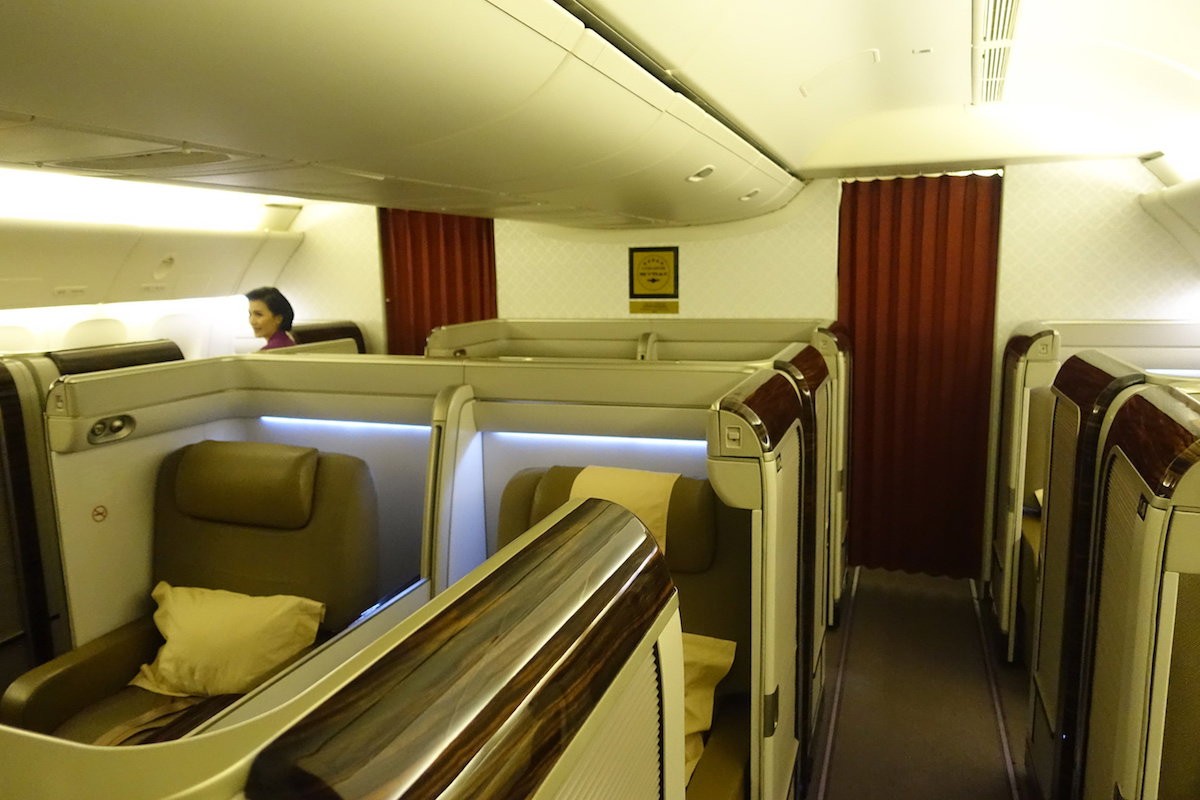
Garuda Indonesia has long been recognized for offering a world-class First Class product, often ranked among the best in the global aviation industry. However, recent operational shifts suggest that this premium tier of service may be nearing its end. While the airline has a history of reversing such decisions, current data indicates a significant and confusing retreat from the luxury market.
A Fragile Fleet and Operational Paradox
The primary issue facing Garuda Indonesia’s First Class is a lack of scale. While the airline operates a fleet of approximately 80 aircraft, the First Class cabin is exclusive to the Boeing 777-300ER fleet. Of the eight 777s in existence, only two are configured with First Class.
The situation is further complicated by two critical factors:
- Minimal Availability: One of the two First Class aircraft (PK-GIG) has been grounded since early 2026. This leaves only a single aircraft (PK-GIF) actively providing the service.
- Dual-Purpose Roles: These specific aircraft feature a special livery and serve a dual purpose: they are used for regularly scheduled passenger service but also function as the official presidential planes for the Indonesian government.
This dual role creates a highly unpredictable schedule. When the aircraft is required for state business, it is pulled from commercial service, making it nearly impossible to maintain a reliable or consistent First Class offering for paying customers.
Shifting Routes and Declining Demand
Historically, Garuda Indonesia’s First Class flagship route connected Jakarta (CGK) to Amsterdam (AMS), leveraging the historical ties between the Netherlands and Indonesia and the SkyTeam hub in Amsterdam. However, demand for this route appeared low, with frequent seat availability suggesting a lack of consistent premium travelers.
In a recent shift, the airline moved its primary First Class service to a route between Bali (DPS) and Tokyo Narita (NRT). This move targeted premium leisure travelers but highlighted a strange strategic disconnect: the airline’s only First Class route no longer even departs from its primary hub in Jakarta, rendering the dedicated First Class lounge in Jakarta largely obsolete.
The Current “Zeroing Out” of Sales
The most telling sign of a potential service discontinuation is a recent change in booking availability. Effective immediately, Garuda Indonesia has stopped selling First Class seats across its entire network.
Although the physical First Class cabin remains on the single active aircraft, the seats are “zeroed out” in the booking system. This leaves passengers with two possibilities:
1. A Temporary Pause: The airline may be temporarily halting sales due to fleet availability or scheduling adjustments.
2. A Permanent Phase-out: The airline may be preparing to reconfigure these aircraft into a “Business Class Plus” model or a standard Business Class layout.
Analysis: Why This Matters
The current state of Garuda Indonesia’s First Class reflects the broader struggles of the carrier. The airline has faced persistent financial instability, frequent leadership changes, and a lack of a cohesive long-term vision.
From a business perspective, maintaining a First Class product on a single active aircraft is nearly impossible to justify. The high overhead of maintaining premium service does not align with the limited supply of seats or the unpredictable availability caused by presidential duties.
Conclusion: While it remains unclear if this is a temporary operational hiccup or a permanent exit from the luxury market, the disappearance of First Class from Garuda’s booking systems suggests the era of their premier service is likely drawing to a close.