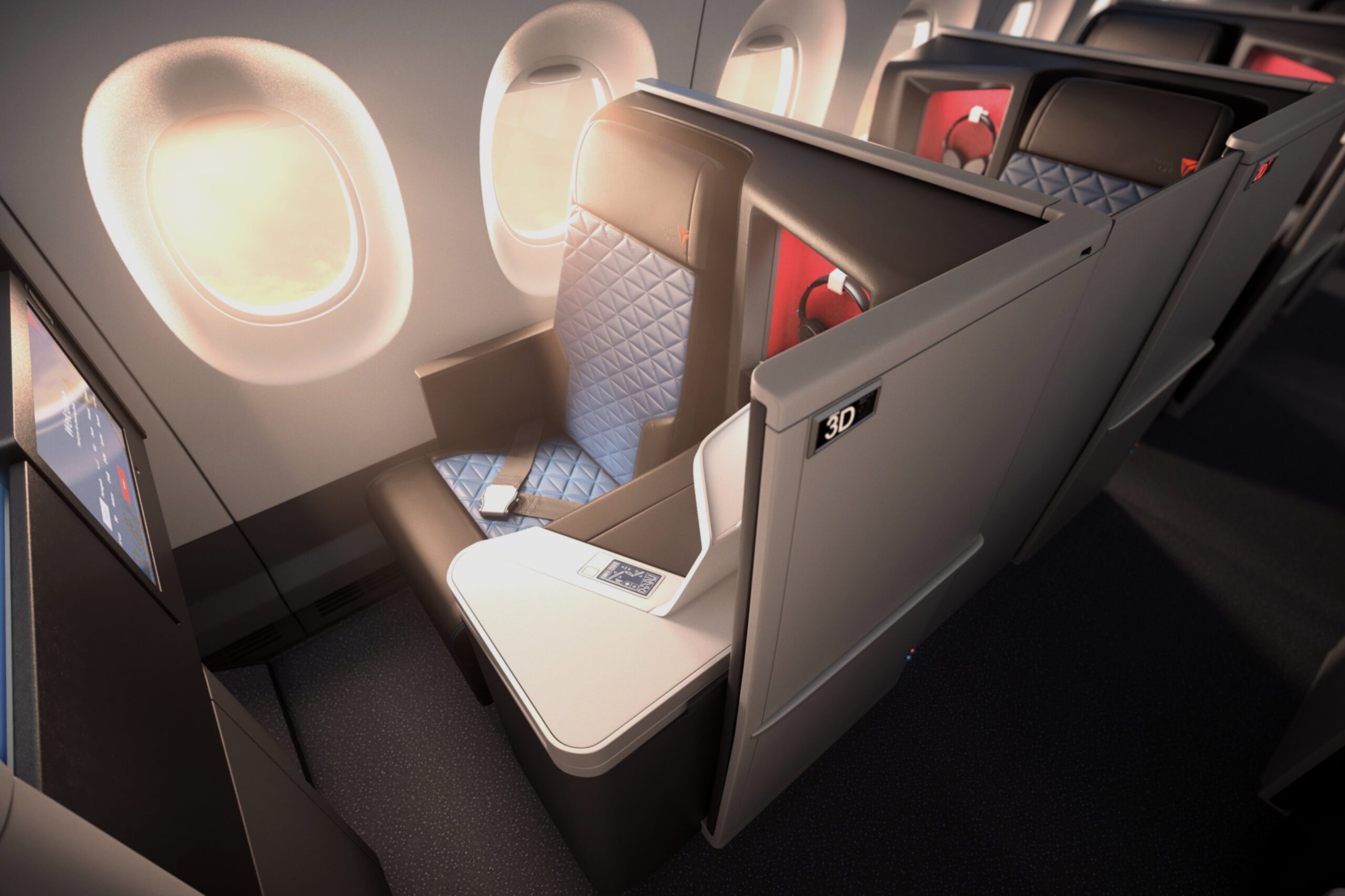
Delta Air Lines is preparing to roll out a new tier of Business Class fares in 2026 – dubbed “Basic Business” – that strips away standard amenities without making the premium cabin more affordable. This move isn’t about offering cheaper fares; it’s about creating a segmented product to sell last-minute seats to price-sensitive travelers while preventing discounts from eroding revenue from higher-paying customers.
The Strategy: Customer Segmentation
For years, airlines have sought ways to discount business class seats without undercutting those willing to pay full price. Traditional methods, like deeply discounted advance-purchase fares, proved ineffective because business travelers rarely book that far ahead. Instead, Delta’s approach will target last-minute bookers with a deliberately inferior experience.
Delta President Glen Hauenstein has confirmed the rollout, stating the airline aims to offer “three categories for every product: basic, main, and extra.” This mirrors their existing “Basic Economy” model, where restrictions are added to the lowest fare to avoid cannibalizing higher-priced tickets.
What Will Basic Business Look Like?
Based on industry trends, Basic Business passengers can expect the following restrictions:
- Paid baggage fees
- No complimentary seat assignments
- Lounge access denied
- No priority check-in or boarding
- Non-changeable or refundable tickets
- No elite status or mileage accrual
Why This Isn’t About Lower Prices
Contrary to some reports, Basic Business will not translate into cheaper fares. The core objective is to segment customers: those willing to pay a premium for full benefits, and those who will accept restrictions for a lower price. The airline wants to avoid the dilemma of leaving seats empty or selling them at a discounted rate that undercuts revenue.
Lessons From Basic Economy
Delta’s success with Basic Economy provides a blueprint. Faced with competition from low-cost carriers like Spirit and Frontier, major airlines needed to match prices. However, offering Spirit-level fares cannibalized higher-revenue passengers. Basic Economy solved this by adding restrictions – no advance seat selection, limited baggage allowance, and restricted mileage earning. This created a separate product that low-cost travelers would choose without impacting premium fares.
Limited Competitive Threat
Unlike the domestic market where Basic Economy directly competes with budget airlines, international business class faces less pressure. While some airlines (like Finnair, Qatar, and Emirates) offer stripped-down business fares at a slight discount, the ultra-low-cost long-haul competition is minimal. The strategy is primarily about maximizing revenue from last-minute leisure travelers without alienating business travelers who will pay full price.
The Bottom Line
Delta’s Basic Business Class is not a move to democratize premium travel. It’s a calculated revenue management strategy to fill seats at the margins while protecting higher-yielding fares. The restrictions may not be enough to significantly segment customers, especially if pricing isn’t substantially lower. Ultimately, this move highlights the airline industry’s relentless pursuit of revenue optimization, often at the expense of passenger experience.