


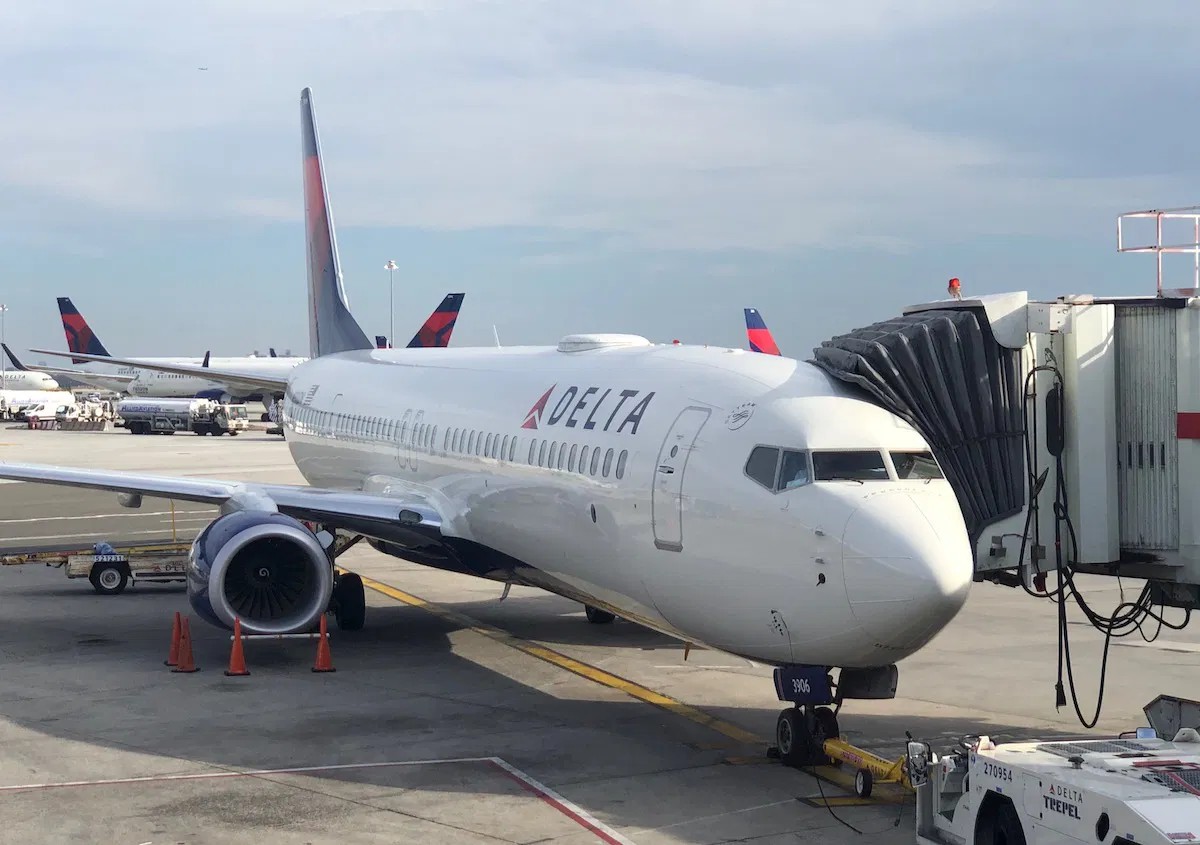
A severe weather event – including hail and high winds – crippled operations at Hartsfield-Jackson Atlanta International Airport (ATL) on Friday, March 6, 2026, leaving thousands of Delta Air Lines passengers stranded for hours on planes. The disruption highlights the fragility of large-scale airline operations and the potential for cascading delays when a major hub like Atlanta faces unexpected disruptions.
Initial Storm Impact and Flight Suspensions
The weather forced an initial ground stop at the airport, but Delta continued to experience severe delays long after the FAA lifted its restrictions. The airline voluntarily maintained the halt due to difficulties in resuming normal operations. This is particularly significant because Atlanta serves as Delta’s largest hub and is the busiest airport in the United States. The timing, during a peak evening bank of flights, exacerbated the problem.
Ripple Effects and Tarmac Delays
Many inbound flights were diverted to alternative airports, creating a widespread ripple effect. The sheer volume of traffic at Atlanta makes recovery from disruptions especially complex. Passengers found themselves trapped on aircraft for extended periods – some for over 10 hours – both at Atlanta and at diversion airports.
For example, Delta flight DL1882 from San Juan (SJU) was initially scheduled to arrive in Atlanta at 7:03 PM. It was diverted to Huntsville (HSV), took off at 1:22 AM, and finally landed in Atlanta at 2:49 AM. Passengers were not able to deplane until 4:48 AM, resulting in a total delay exceeding 10 hours. Reports indicate even longer delays for some travelers within Atlanta itself.
Passenger Outrage and Regulatory Concerns
Passengers have expressed extreme frustration with Delta’s handling of the situation, sharing their experiences online. Despite the airline not being at fault for the weather, the Department of Transportation (DOT) enforces strict tarmac delay rules: domestic flights must allow passengers to deplane within three hours during extended delays.
There are numerous reports of passengers exceeding this three-hour limit, exposing Delta to potentially substantial fines. The DOT’s rules have no exceptions for complicated recovery scenarios, meaning even if the airline faced logistical difficulties, it remains liable for non-compliance.
Ongoing Recovery and Future Disruptions
The storm’s impact on Delta operations is likely to persist for several days. Passengers scheduled to fly with the airline should anticipate further delays as the carrier works to restore normal service. This incident underscores the need for airlines to improve their contingency planning and passenger communication in response to severe weather events.
The incident serves as a stark reminder of how quickly even the world’s largest aviation operations can break down when confronted with unexpected disruptions, and the direct consequences for thousands of travelers.


