


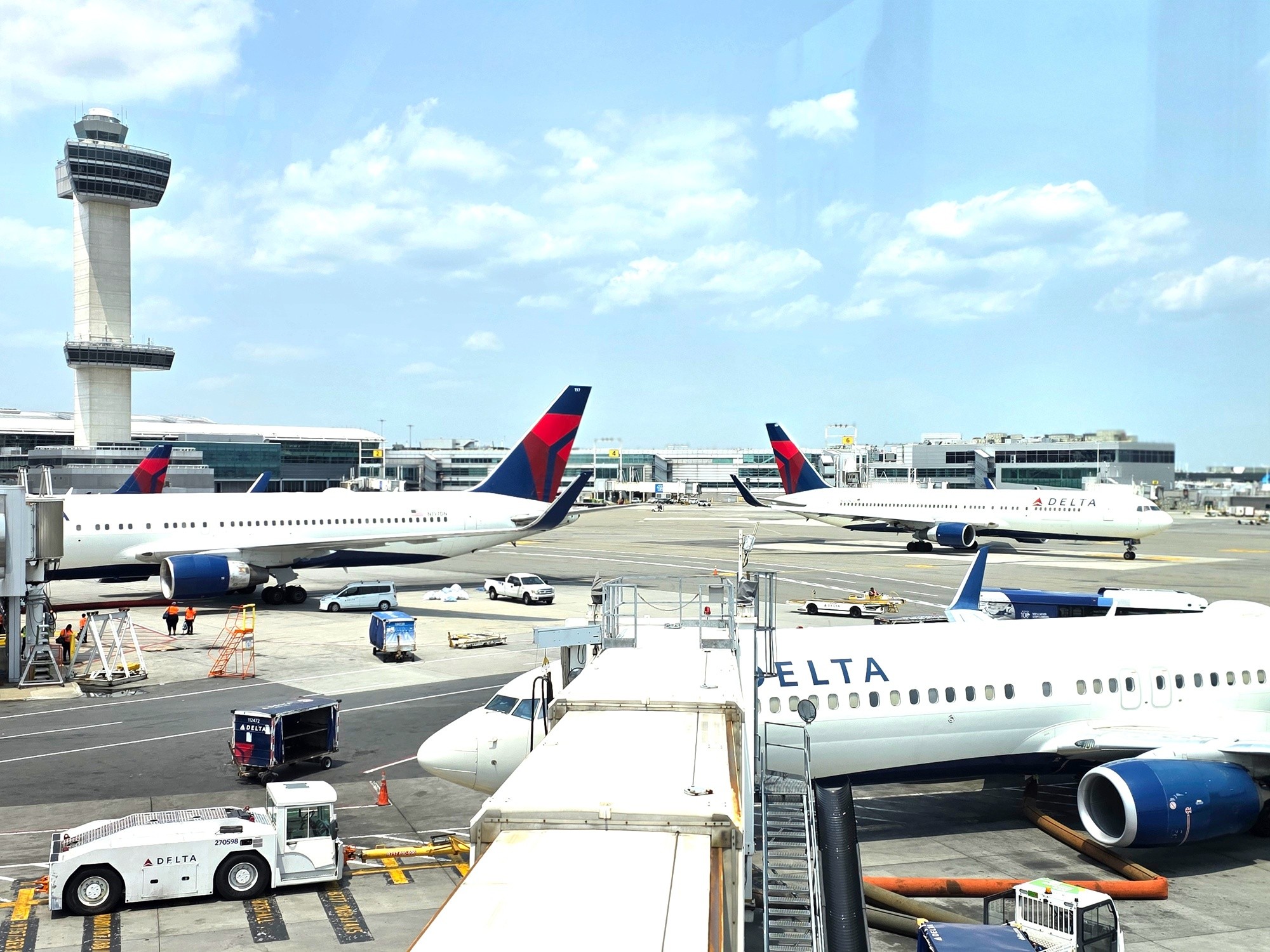
For over a decade, Delta Air Lines has understood a fundamental shift in consumer behavior: people buy into brands as much as, if not more than, the products themselves. While other U.S. carriers fixated on price wars, Delta built a powerful brand identity, a strategy American Airlines is only now scrambling to catch up on. This isn’t just about aesthetics; it’s about how modern companies function in a world where production is outsourced and the brand is the primary asset.
The Brand as the Company
Originally, brands signaled quality because they represented a known maker with a reputation. Today, many companies don’t even manufacture their goods – they orchestrate complex supply chains. The brand provides stability in an unstable system. Even airlines rely on regional carriers operating under their name. The brand isn’t just a logo; it’s the core identity, allowing firms to sell similar products at drastically different prices.
This shift means consumers are increasingly buying identity, not just functionality. People choose brands for social signaling (status, taste, belonging) as much as for schedule and price. Delta recognized this early, investing heavily in messaging and local sponsorships while American was still chasing budget travelers.
The Financial Impact of Brand Loyalty
The numbers speak for themselves: loyalty revenue is a high-margin business, accounting for 39% to 53% of revenue for major airlines. Delta generates up to $8 billion from American Express partnerships alone, despite offering low-value currency. The key? People associate with the brand. Premium unit revenue now consistently outperforms standard fares, as carriers successfully monetize preference and status.
American Airlines’ Chief Customer Officer, Heather Garboden, notes that just a one-point improvement in net promoter score can yield $50 million to $100 million in revenue. This underscores why their recent “premium pivot” aimed to repair a collapsing net promoter score was critical.
The Problem with American Airlines
American isn’t lacking in product improvements – Bollinger champagne and upgraded seats are nice touches. However, these investments are meaningless without a cohesive brand narrative. They need to articulate a clear vision for the future, one that resonates with both customers and employees. Product changes must be framed within that narrative, not presented as isolated upgrades.
American’s past advertising campaigns have fallen flat because they failed to define who the company is trying to be. Delta, in contrast, has consistently told a compelling story: getting people home when it matters. Their iconic ads with Donald Sutherland evoked emotional resonance, unlike American’s fragmented attempts.
What American Needs to Do
American should revisit a fundamental question: who is our customer? Even running ads simply to force this clarification internally would be a step in the right direction. The 2004 “We Know Why You Fly” commercials, while imperfect, at least attempted to define their target demographic – a tired business traveler finally able to relax on the way home. Every decision should be made with that customer in mind.
Ultimately, airlines aren’t just selling flights; they’re selling an experience, an identity, and a promise. In today’s market, the brand story is as crucial as operational excellence. Delta understands this; American must catch up.


