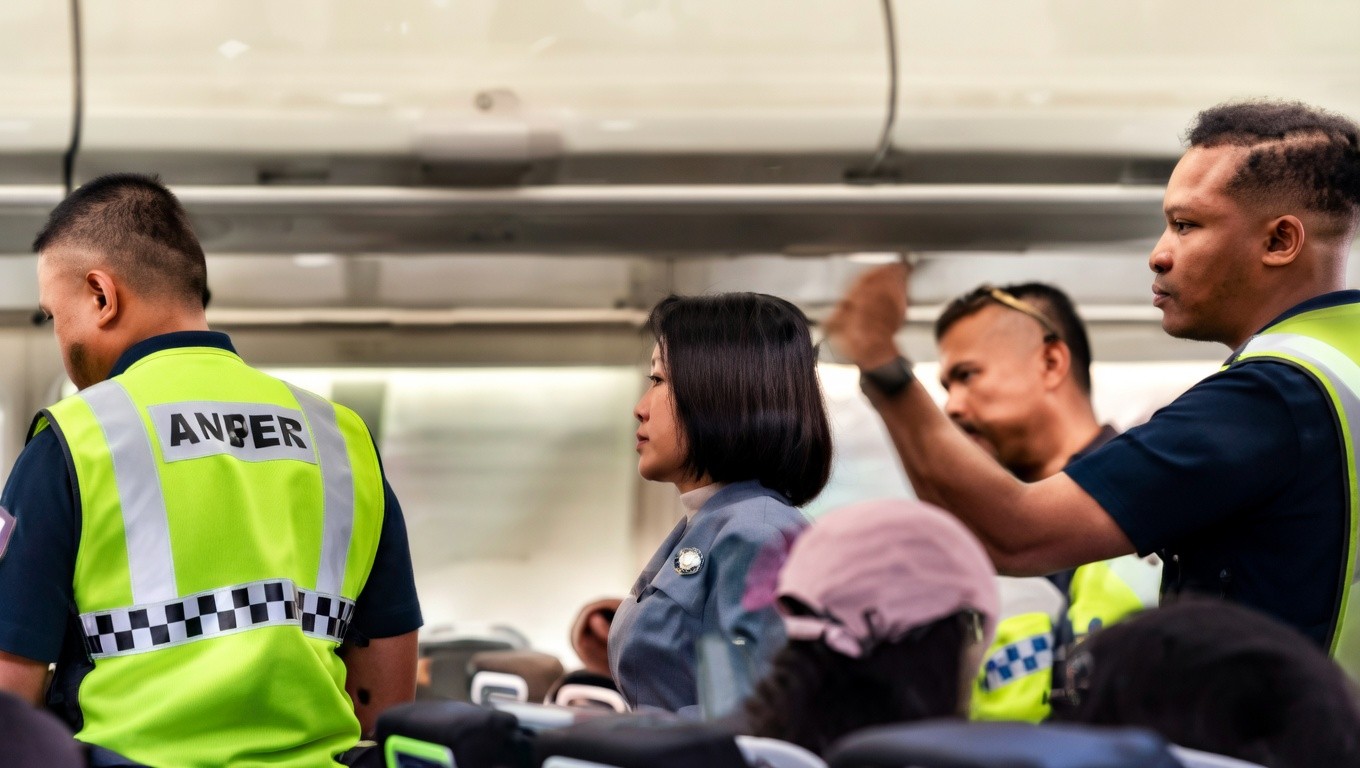
A passenger traveling on Malaysia Airlines flight 318 from Kuala Lumpur to Beijing Daxing was removed from the aircraft following an incident of physical misconduct toward a flight attendant. The incident, which occurred on April 7, resulted in a departure delay of over an hour.
The Incident and the Passenger’s Defense
According to reports, the passenger allegedly patted a flight attendant on the buttocks. When confronted by the crew, the individual attempted to downplay the action, characterizing it as a “light pat.”
In a highly unusual attempt to justify his behavior, the passenger reportedly argued that he should be allowed to remain on the flight because “China-Malaysia relations are currently very good.” This defense, attempting to link geopolitical diplomacy to personal physical boundaries, was rejected by the airline, and the passenger was escorted off the plane.
Operational Chaos and Passenger Theories
The flight, an Airbus A330, experienced significant disruption, eventually departing 1 hour and 16 minutes late. Some passengers on board suggested that the tension during the flight stemmed from a sudden aircraft swap.
This swap necessitated:
– New seat assignments and boarding passes.
– A disorganized boarding process.
– The splitting of passenger groups.
– A lack of available staff to assist with the reshuffling of seats.
While these operational issues clearly contributed to a chaotic cabin environment, observers note that logistical confusion does not serve as a justification for physical harassment of the crew.
The Growing Issue of In-Flight Boundaries
This incident highlights a recurring and serious issue regarding the physical boundaries between passengers and cabin crew. The professional environment of an aircraft is increasingly seeing challenges related to:
- Unwanted Physical Contact: Harassment of crew members is a violation of airline safety and conduct policies, often resulting in immediate removal and potential legal consequences.
- Privacy Violations: There has been a noted rise in inappropriate behavior involving the unauthorized filming or photographing of crew members.
- Legal Variations: Responses to such misconduct vary globally; for instance, in India, such acts are often prosecuted under laws regarding the “outraging the modesty of a woman,” whereas in other regions, the focus may shift toward airline liability and passenger rights.
The takeaway: Regardless of the diplomatic climate or the operational chaos of a flight, the physical autonomy of cabin crew members must be respected. Unwanted touching is a violation of professional conduct and personal safety.
Conclusion
The removal of the passenger underscores the zero-tolerance policy many airlines maintain regarding the harassment of staff. While logistical errors can cause flight delays, they do not excuse misconduct or the violation of personal boundaries.