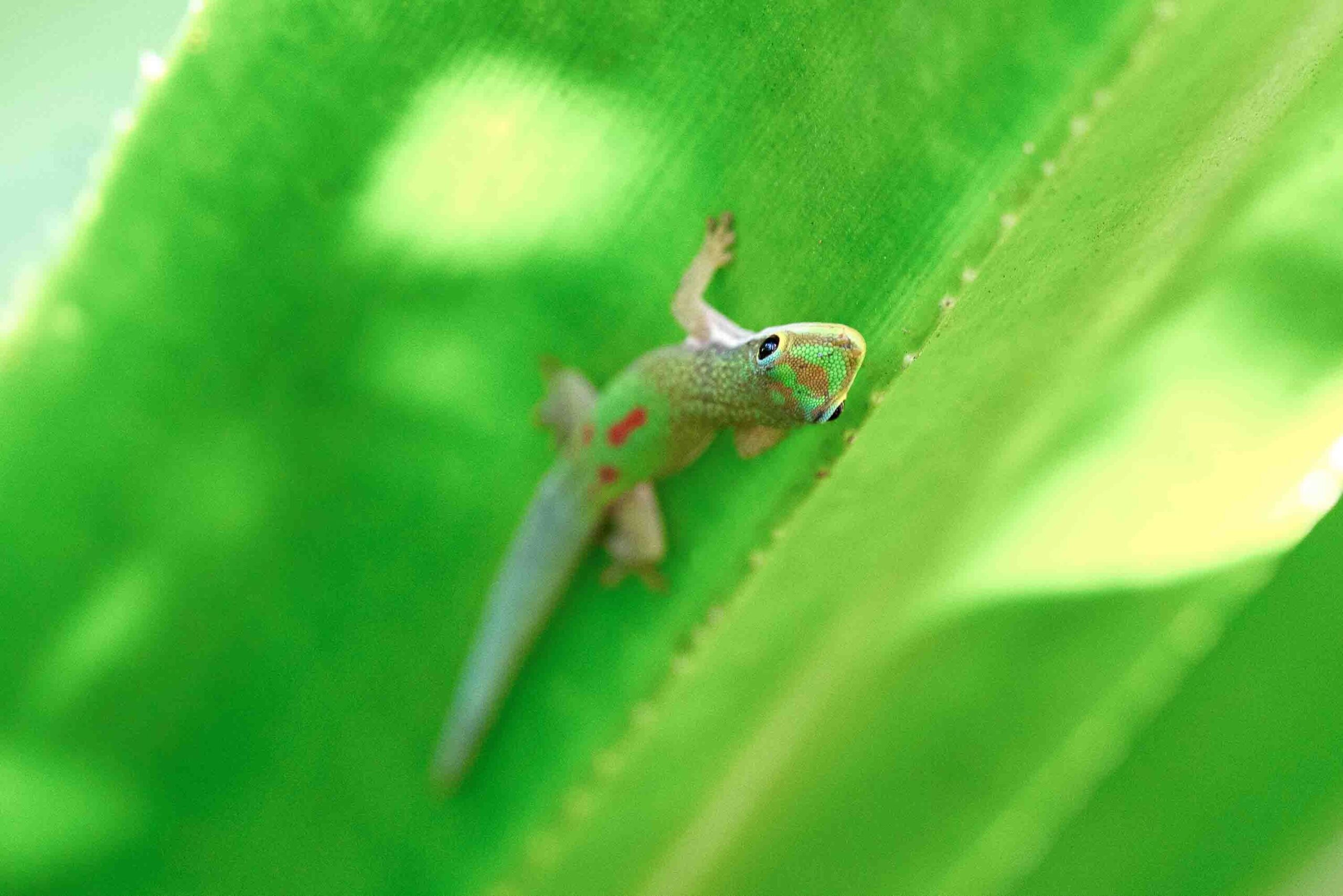
Madagascar, an island nation renowned for its unique biodiversity, faces a critical crossroads. The fate of a little-known gecko, Phelsuma antanosy, is emblematic of the broader pressures threatening the island’s irreplaceable ecosystems and the communities that depend on them. This vibrant, crimson-marked lizard survives in a mere 16 square miles of fragmented forest, a territory increasingly encroached upon by mining interests and human activity. The story of this gecko is not just about a species on the brink, but a microcosm of the complex challenges facing conservation efforts worldwide.
A Species on the Edge
Phelsuma antanosy was scientifically described only three decades ago, yet its existence is already threatened. The largest remaining population resides within a forest fragment (referred to as A1) that holds over 80% of the species, but this area sits squarely in the path of an expanding ilmenite mine operated by QIT Madagascar Minerals-Rio Tinto. Without intervention, this stronghold could vanish within five years. This isn’t just a biological loss; it’s a loss of unique genetic heritage, a species found nowhere else on Earth.
Madagascar harbors roughly 90% of its wildlife species exclusively within its borders, making it exceptionally vulnerable. Recent studies reveal that 98% of assessed lemur species are threatened with extinction, highlighting the severity of the crisis. The pressures driving these declines – habitat destruction, illegal logging, and climate change – are the same ones squeezing the gecko’s world.
Beyond the Gecko: A Community’s Survival
The village of Sainte Luce, where the gecko clings to existence, is a case study in this tension. The surrounding littoral forest, a rare sandy-soiled rainforest, has already lost 90% of its original extent. Despite covering less than 1% of Madagascar’s land, it houses nearly 13% of the island’s native flora.
For the people of Sainte Luce, the forest isn’t merely a scenic backdrop; it’s a lifeline. Locals depend on it for firewood, building materials, and medicinal plants, while its trees protect against erosion and cyclones. Growing populations, unsustainable fishing practices, and climate-change-linked famine have accelerated deforestation, pushing communities towards desperation.
“They [the people of Sainte Luce] are really happy because the Phelsuma makes Sainte Luce important… if mining starts unexpectedly, the Phelsuma would be destroyed, and the next generation wouldn’t know them,” says Mosa Eugene, President of the local forest management committee. This underscores the crucial link between biodiversity and cultural heritage.
A History of Loss
Madagascar has lost approximately 44% of its natural forest since the 1950s, with deforestation accelerating after 2005. The pressures are systemic: demand for charcoal, firewood, and construction materials drives the destruction, while broader economic forces exacerbate the problem. Climate change-fueled droughts and fires further destabilize the landscape.
Nonprofit organizations like SEED Madagascar have been working for decades to address these issues, fostering partnerships in conservation, healthcare, and sustainable livelihoods. However, the root problem remains habitat destruction, driven by economic needs and unsustainable practices.
The Path Forward: Collaboration, Not Isolation
Effective conservation requires integrating local communities into the solution. Success stories from other regions – communal conservancies in Namibia, community forestry in Nepal – demonstrate that tying conservation to local benefits and revenue sharing can yield tangible results.
Tourism can play a role, but only if visitor spending directly supports local economies through mechanisms like community-run guiding associations and conservation programs that employ local staff. Madagascar is slowly developing these models, with emerging examples such as the Anja Community Reserve and Association Mitsinjo, which demonstrate how conservation can coexist with sustainable development.
Project Phelsuma: A Bold Experiment
In 2024, SEED Madagascar launched Project Phelsuma, supported by the National Geographic Society, to translocate geckos into a protected area while collaborating with the community. This initiative recognizes that habitat restoration alone isn’t enough; long-term success requires local buy-in and reduced pressure on surrounding forests.
The project has involved transplanting over 100 screw pines (the gecko’s primary habitat) into the protected fragment, guided by both scientific monitoring and local knowledge. Residents’ observations of where geckos bask and reproduce have proven invaluable. Despite setbacks, including forest fires in 2025, the translocation efforts continue.
A Fragile Hope
Saving the gecko, and Madagascar’s biodiversity, requires a fundamental shift: conservation must be inseparable from community well-being. Moving geckos may buy time, but without addressing the underlying drivers of habitat loss and empowering local communities, even protected areas will eventually fail.
The future remains uncertain. The green flash of a gecko in the Sainte Luce forest is a reminder of what’s at stake. Its survival – and the survival of Madagascar’s irreplaceable ecosystems – depends on whether conservation can truly sustain the people who share its fragile home.