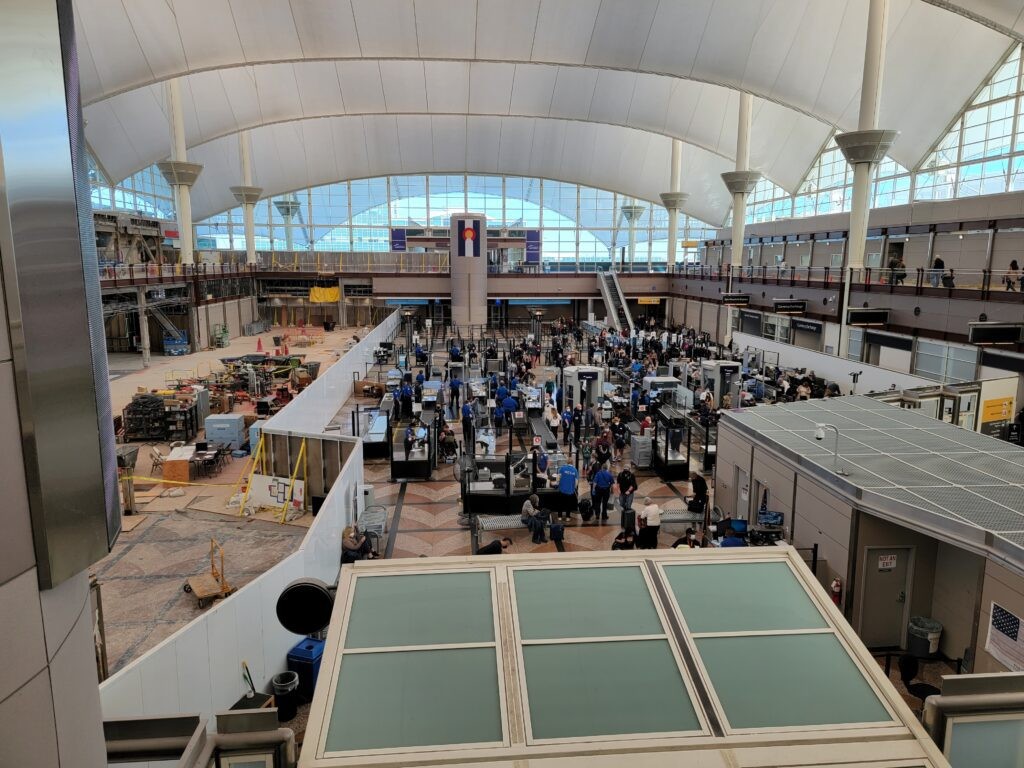
President Trump’s suggestion to deploy Immigration and Customs Enforcement (ICE) agents to replace absent TSA screeners is a legally dubious and operationally flawed response to airport security backups caused by the ongoing partial government shutdown. While politically aimed at pressuring Democrats over border wall funding, the plan is not viable under existing law and would likely weaken, not strengthen, airport security.
Legal and Logistical Obstacles
Federal statutes explicitly assign responsibility for federal screening operations to the TSA Administrator. Any deployment of screeners requires TSA-approved qualifications and at least 40 hours of mandated training through the TSA Academy, a process taking weeks. ICE agents cannot legally assume screening duties by Monday, despite the President’s claim. Their role would be limited to auxiliary support, not direct checkpoint screening.
Scale and Practicality of Deployment
The TSA employs approximately 50,000 screeners, with current absence rates exceeding 10% (around 5,000 staff). Even under normal conditions (2% absence), replacing nearly 4,000 screeners requires a significant logistical commitment. Airports like Houston Intercontinental already report absences above 50%, necessitating a traveling ICE force stationed in hotels and redeployed based on fluctuating demand.
Resource Diversion and Security Trade-Offs
A 4,000-person ICE surge would consume roughly 20% of the agency’s total personnel and 40% of pre-Trump staffing levels. This would divert resources from critical border enforcement and homeland security investigations, including counterterrorism efforts. Homeland Security Investigations agents are already stretched thin due to reassignment to immigration duties, further compromising their ability to address terrorism, trafficking, and financial crimes.
Political and Operational Concerns
Deploying ICE agents to airport checkpoints risks creating the perception of immigration enforcement at travel hubs, which could further inflame political tensions. The proposal is a blunt instrument compared to more effective long-term solutions, such as privatization of TSA screening.
The Case for Privatization
Florida Governor Ron DeSantis suggests privatizing TSA, a common practice in other Western nations. This would separate regulatory oversight from operational execution, improving accountability and funding stability. However, the TSA has historically blocked airports from participating in the ‘Screening Partnership Program’, which allows private security firms to operate checkpoints, hindering broader implementation.
In conclusion, President Trump’s proposal to deploy ICE agents to fix TSA backups is a legally unsound, logistically impractical, and strategically counterproductive measure. The plan would neither solve the immediate staffing shortages nor enhance long-term security. A more viable solution involves regulatory reform, privatization, and streamlined training processes, rather than an ad-hoc deployment of an ill-equipped agency.