


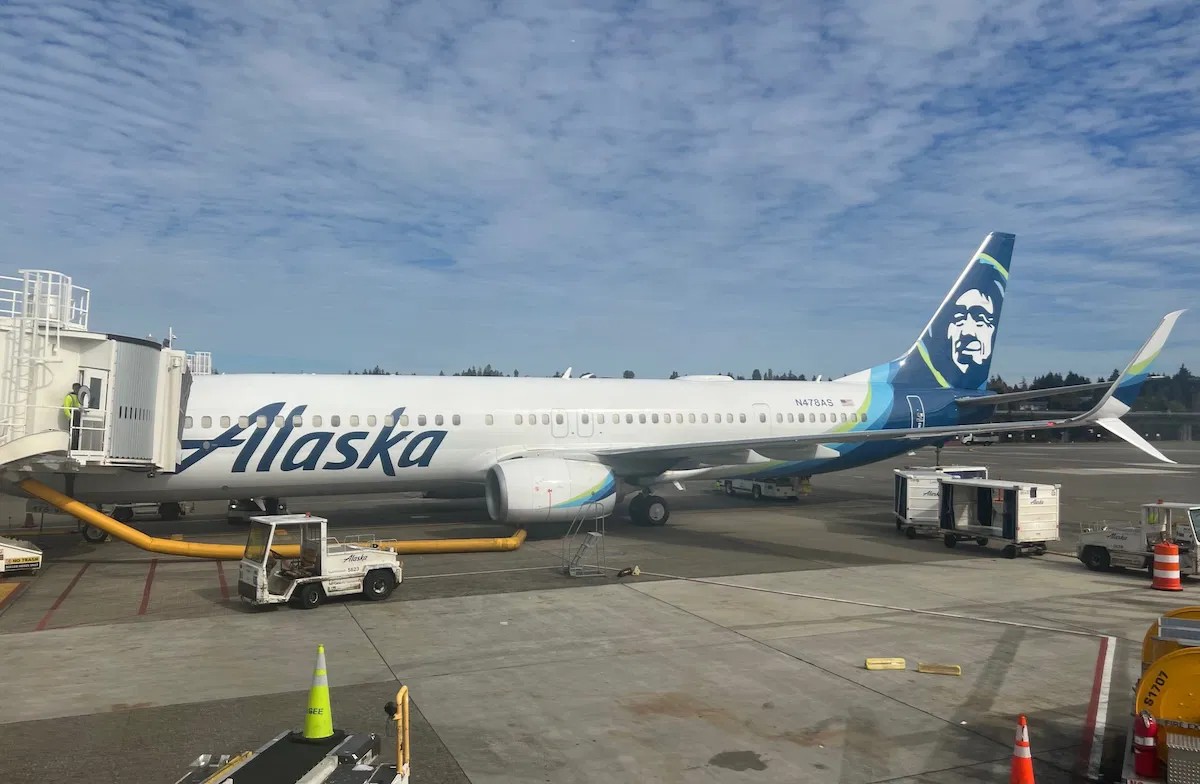
An Alaska Airlines flight from Liberia, Costa Rica (LIR) to Los Angeles (LAX) experienced a last-minute cancellation on March 21, 2026, after passengers had already boarded and the Boeing 737-900ER began taxiing to the runway. The incident was compounded by an unusually candid and somewhat chaotic announcement from the captain, leaving passengers confused and raising questions about airline communication protocols.
The Incident: A Tight Schedule and a Closed Customs Facility
The flight, scheduled to depart at 6:12 PM local time, was canceled due to the impending closure of customs facilities at Los Angeles International Airport (LAX). According to the captain’s announcement, the crew received a sudden directive from dispatch to return to the gate, just as they were preparing for takeoff. The captain expressed bewilderment over the situation, stating that this was the first time in her 30-year career she had encountered a major U.S. airport shutting down customs operations.
“I’ve been flying for 30 years, I’ve never heard of the number two city in the country closing its customs.”
The confusion stemmed from the flight’s late arrival time, which put it at risk of missing the customs deadline. While major airports often maintain 24/7 operations, some facilities, including certain terminals at LAX, have limited hours. This flight, added to the schedule in December 2025, operated on a tight margin, leaving little room for delays.
The Captain’s Unconventional Communication
What set this incident apart was the captain’s highly unusual announcement to passengers. She openly admitted confusion over cryptic messages from dispatch, referencing an unexplained term “the bridge,” and expressed disbelief that LAX customs would close after midnight. The captain even compared the situation to flying on September 11, calling it “the weirdest thing that I’ve ever experienced.”
This level of transparency, while perhaps well-intentioned, was widely perceived as unprofessional and alarming by passengers. Rather than reassuring travelers, the announcement fueled speculation about potential safety issues, as some passengers interpreted the captain’s remarks as indicative of a more serious problem.
Why This Matters: Transparency vs. Professionalism
The incident highlights the delicate balance between transparency and professionalism in airline communications. While passengers appreciate honest updates during irregular operations, unfiltered ramblings can create unnecessary panic and distrust. The captain’s admission of confusion, coupled with references to unresolved messages, undermined confidence in the airline’s ability to handle the situation.
This situation raises broader questions about pilot training in crisis communication, the clarity of dispatch directives, and the oversight of flight schedules to ensure compliance with customs regulations. The flight’s cancellation ultimately appears to be a logistical error rather than a safety concern, but the captain’s announcement amplified the issue unnecessarily.
The bottom line: An Alaska Airlines flight was canceled due to a missed customs deadline, exacerbated by an unusually candid and unsettling announcement from the captain. This incident underscores the importance of clear, professional communication in maintaining passenger trust and avoiding unnecessary panic during disruptions.


