A recent traveler experience has highlighted a growing frustration in the premium travel industry: drip pricing. This occurs when a service provider advertises a base price but adds mandatory, undisclosed fees at the point of sale, effectively increasing the cost after the consumer has already committed to the transaction.
The Minute Suites Incident
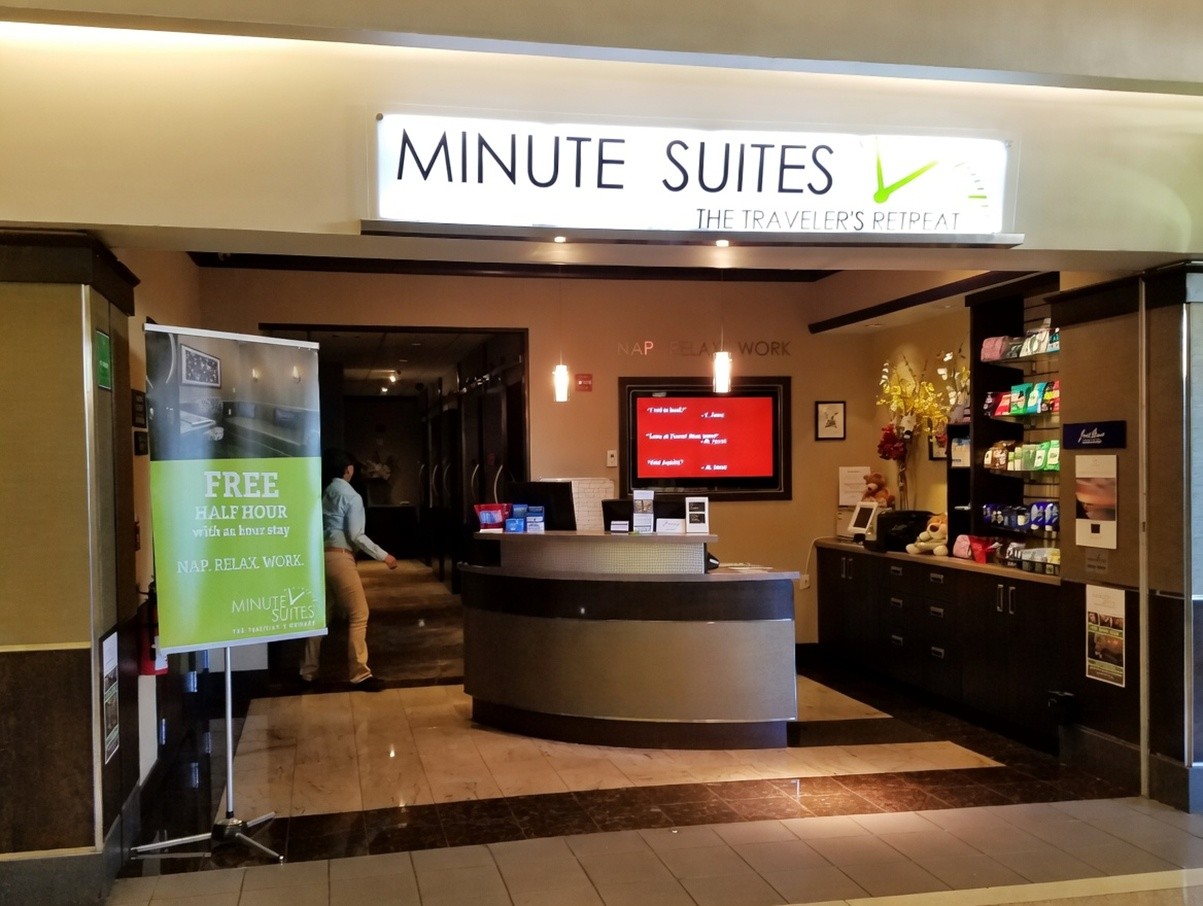
A traveler, George, recently reported an unexpected charge at the Minute Suites facility in Baltimore/Washington International (BWI) airport. Despite having a Priority Pass membership—which is intended to provide complimentary access—he was required to pay a mandatory $5.30 “cleaning fee” just to enter the facility.
Crucially, this fee was not tied to any mess made by the user; it was a flat requirement for entry. When George raised the issue with Priority Pass, the response was telling: the provider stated that individual lounges are free to impose their own additional charges, and such fees fall outside the scope of Priority Pass policy.
The Problem with Undisclosed Fees
This incident raises significant questions about consumer transparency and the value proposition of lounge memberships. While some extra charges are common in the industry, there is a clear distinction between disclosed surcharges and hidden add-ons.
- The Transparency Gap: Priority Pass terms generally state that cleaning surcharges apply only for “extraordinary cleaning” (such as damage or smoking). A flat fee charged to every user at the door contradicts the standard expectation of the service.
- The “Drip” Effect: When fees like a $5.30 cleaning charge or a 3% credit card surcharge are not listed online, they undermine the consumer’s ability to make an informed decision.
- The Risk to Ecosystems: If lounges continue to implement small, arbitrary fees, the perceived value of Priority Pass memberships may decline. If members stop using their cards because of these “surprises,” it reduces the revenue generated for the banks that issue these cards, potentially devaluing the entire travel rewards ecosystem.
Comparing Models: Good vs. Bad Surcharges
Not all extra fees are created equal. In the aviation industry, fees generally fall into three categories:
1. The Transparent Premium (The “Buy-Up”)
Some lounges use fees to manage capacity or offer a superior product. For example, the Virgin Atlantic Clubhouse at LAX requires a mandatory $35 fee for Priority Pass members. While some see this as expensive, it is fully disclosed upfront. Similarly, the Plaza Premium First lounge in Dallas-Fort Worth charges a $45 premium to access a higher tier of service. These models allow travelers to choose between a standard experience and a premium one.
2. The Service Convenience Fee
Some lounges, such as The Club or Aspire, offer optional reservation fees (typically $7–$9). This allows travelers to pay for the certainty of a guaranteed time slot, which helps manage crowding and improves the passenger experience through voluntary payment.
3. The Hidden Add-on (The “Drip”)
This is the most problematic category. It includes mandatory “cleaning fees” at the door or undisclosed service surcharges. Unlike a $35 premium fee, a $5.30 mandatory fee is too small to effectively manage lounge crowding, yet large enough to feel like a deceptive practice.
Conclusion
The proliferation of undisclosed fees in airport lounges threatens the trust between travelers and service providers. To maintain a healthy ecosystem, the industry needs a standard of total disclosure : if a fee is mandatory, it must be listed upfront, ensuring that “complimentary” access remains a predictable and reliable benefit for members.